
japan
Palace Hotel Hakone Moves From Demolition to a 2029 Rebuild
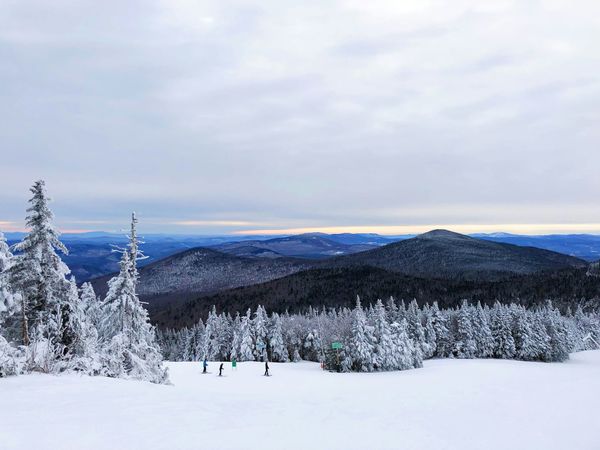
Construction has started on the Palace Hotel Hakone replacement, due in autumn 2029. The active project still carries a long delivery and positioning test.

premium analysis
The owners of Killington resort in Vermont, USA, outline about US$280m of capital. Our research separates renewal, growth and enabling work—and tests the timing behind the total.

japan
Keihan Real Estate’s 64-room Osaka hotel has been converted for medium- and long-stay guests. The test is whether longer stays improve real asset economics.

united states
Toggenburg in New York has been sold after an antitrust case over its closure. The completed transaction is significant; the 2027/28 reopening still requires capital and delivery.

The detailed tables behind our September property analysis. Explore average and median asking prices, prices per sqm, monthly and annual movements, and listing numbers across apartments, houses, land and commercial property. Included with Uchi Insights Premium.
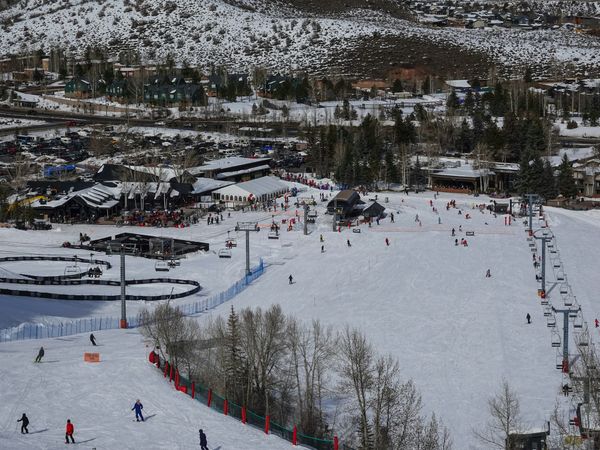
America's Vail Resorts is forecasting a recovery despite weaker advance pass sales. Its latest results and earnings call show why returning visitors matter to the wider resort economy.

Where would Uchi look next—and what would change our view? Our Winter 2025/26 conclusion weighs asking prices, recorded sales and liquidity across seven resort markets, with a clear case, reservation and evidence test for each.

Uchi Insights combines real-world property activity, market data and local knowledge to examine what is actually happening across Japan’s resort and lifestyle property markets—and what the numbers can, and cannot, tell us.

Our complete Winter 2025/26 Resort Intelligence series brings together asking prices, recorded sales, ¥/sqm, liquidity, scarcity and Uchi’s analysis across Japan’s leading mountain property markets.

Explore the latest Uchi Insights Premium reports covering Japan’s resort and lifestyle property markets, with data-led analysis, market commentary and subscriber access.
Free analysis, market data and new research from Uchi Insights, covering Japan’s leading resort and lifestyle property markets.

KDX paid ¥18.057bn for two variable-rent hotels. Our transparent analysis calculates price per room, implied appraisal NOI and the risk behind the yield gap.
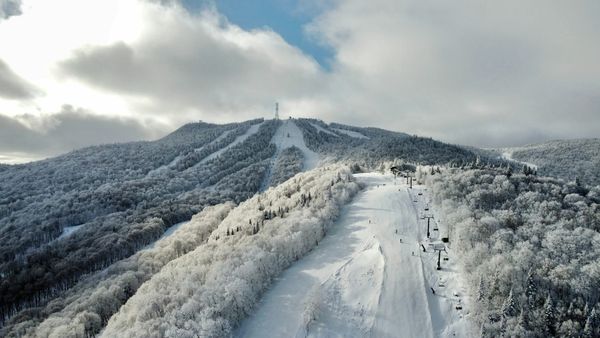
Club Med has started work at Tremblant as the resort prepares a C$42.5m mountain expansion. The commercial test is how hotel and infrastructure capital work together.

September arrivals fell 5.0%, but the first nine months still exceeded 30 million. The property lesson lies in source mix, nights and rates—not one national headline.
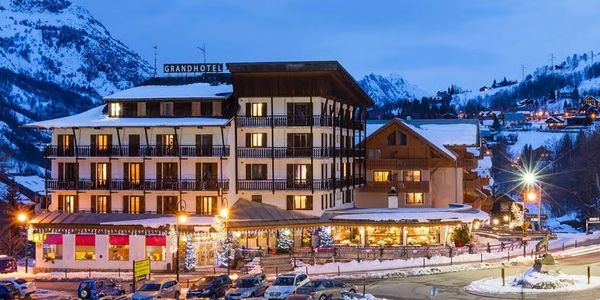
A private investor is supporting the planned Valloire hotel transformation in France. The five-star ambition needs to be assessed alongside delivery and recurring operating costs.

Fukuoka’s thirteen-room Hotel NID devotes most of its inventory to larger group-capable rooms. The business case depends on room mix, floor area and servicing costs.
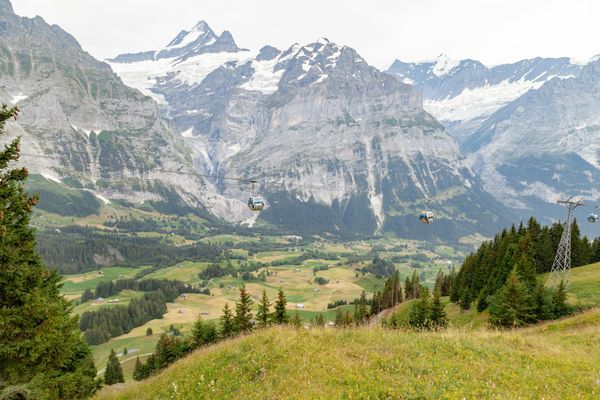
Swiss summer first entries rose 10% in May–September, but closures shaped the regional comparison. Accommodation forecasts need a consistent operating network.
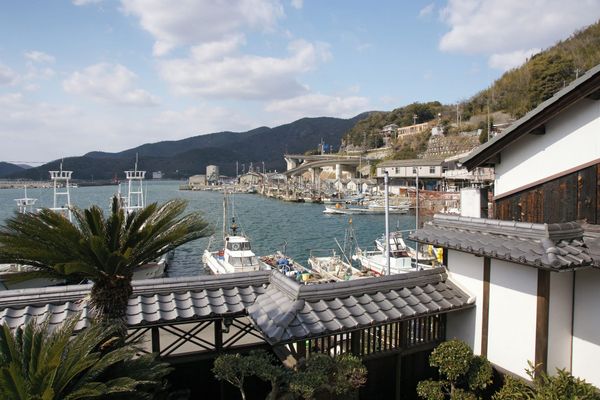
ISLET Setouchi’s ten-room conversion links business succession with a new inclusive hotel concept. Private facilities also create recurring operating obligations.
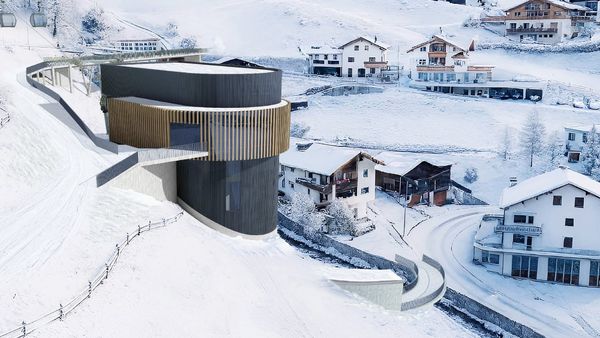
The Laret gondola in this Swiss resort is under construction for November 2027. Its accommodation implications depend on station connections and the complete guest journey.

Record new-build averages and weaker sales reveal different pressures across Greater Tokyo. We examine the property mix, developer pricing and mortgage affordability.

Poley’s C$2.5 million snowmaking project targets winter 2027/28 and faster recovery after rain. Capacity needs translating into reliable trading dates.
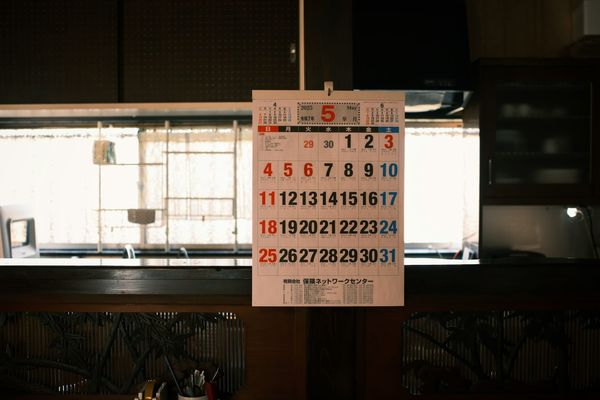
A transparent whole-home model shows how seasonal rates and owner-use dates change income under the 180-night framework—even when total sold nights are unchanged.

Original calculations separate visitor yield, operating margins and cash flow in Jungfrau’s first-half accounts, showing why the measures can move in different directions.