What Jungfrau’s Accounts Reveal About Mountain Revenue Quality
Original calculations separate visitor yield, operating margins and cash flow in Jungfrau’s first-half accounts, showing why the measures can move in different directions.

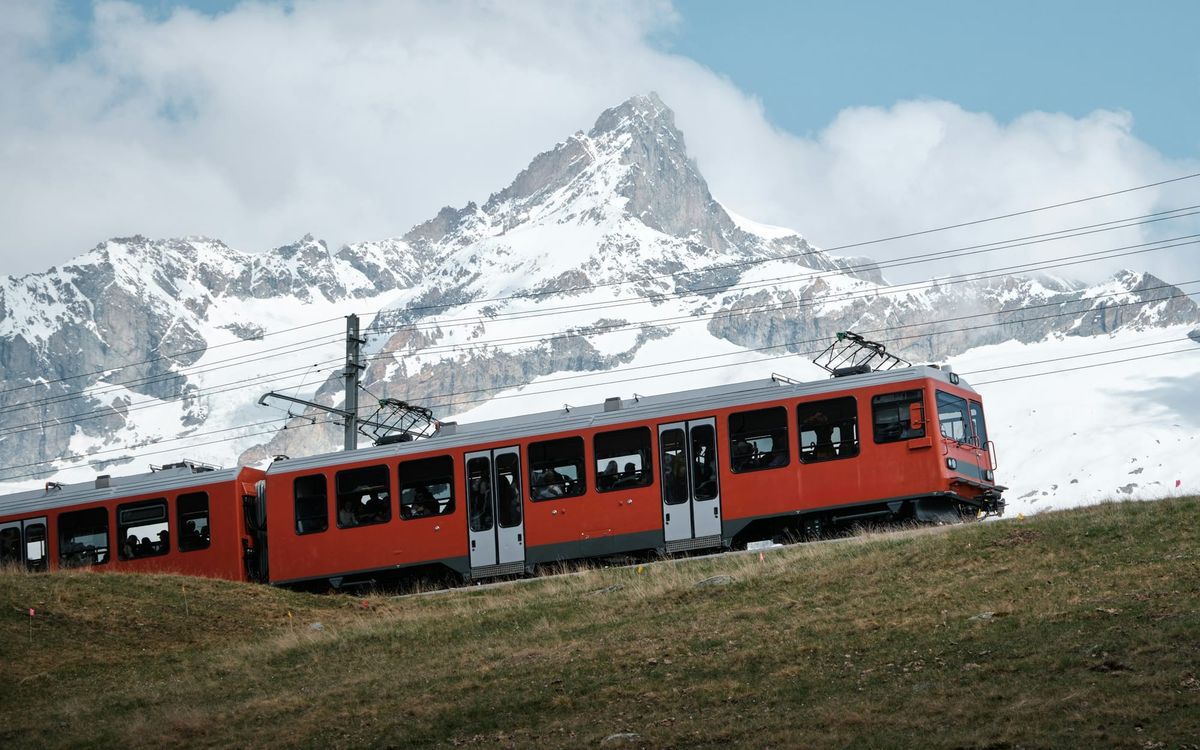
Jungfrau’s first-half accounts show why stronger revenue per visitor does not necessarily mean a stronger mountain business. The group’s profit fell, yet its reported free cash flow increased. Both outcomes are consistent once the sales mix, operating costs and investment payments are examined separately.
The accounts were released on 28 August 2026 and cover January to June. This is a fresh analysis of that published evidence, rather than a claim that new results have appeared. Our calculations show that higher transport revenue per visitor at Jungfraujoch offset only part of the effect of fewer visitors. They also show that almost all the increase in free cash flow can be reconciled to lower tangible and intangible investment outflows.
For resort and accommodation owners, the lesson is practical. A visitor total, an average-spend figure and the cash left after investment answer different questions. Treating them as interchangeable can obscure both operating pressure and the timing of capital spending.
The detailed research below provides a reproducible revenue bridge, three carefully qualified visitor ratios and a cash-flow reconciliation. It also explains which comparisons should not be used as evidence of ticket-price growth or as benchmarks for an unrelated hotel.
Continue with Uchi Insights Premium for the complete article.
Membership also includes our report archive and deeper analysis of Japan’s property markets and global mountain destinations.