NOHGA’s Shinjuku Gyoen Plan Puts Space Ahead of Room Count
The 72-room NOHGA hotel planned beside Shinjuku Gyoen prioritises larger rooms and public dining spaces. The operating test is the return on that space.

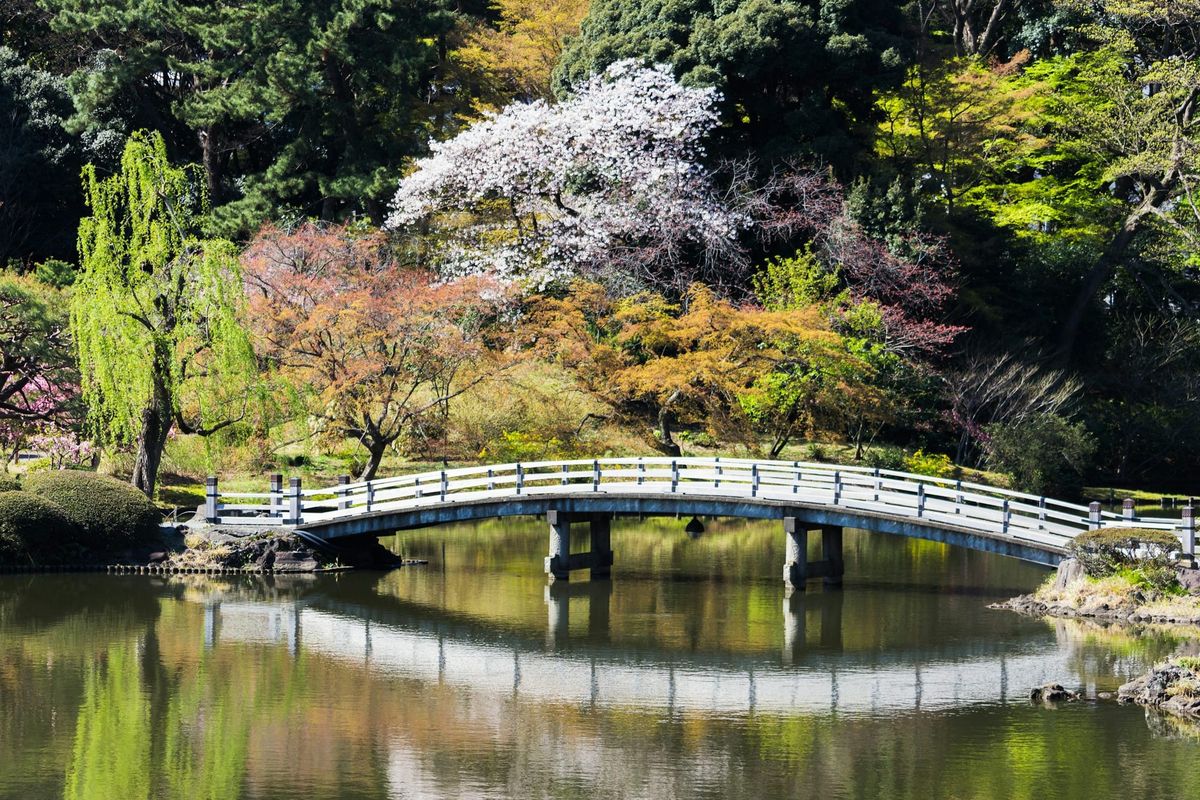
A 72-room hotel beside Shinjuku Gyoen offers a useful view of how a relatively small urban property can compete through the quality of its space. NOHGA Hotel Shinjuku Gyoen Tokyo is scheduled to open on 15 July 2027, with every guestroom exceeding 30 square metres and having a balcony facing the park.
Nomura’s announcement on 15 October 2026 opened reservations and set out the fourth hotel in the NOHGA collection. The planned public spaces include a rooftop bar, a restaurant and a ground-floor bakery and café-bar. The property is described as a two-minute walk from Shinjuku Gyoenmae station, rather than being immediately beside the main JR Shinjuku interchange.
That location distinction is commercially useful. Guests choosing the hotel will be weighing neighbourhood character, room space and park-facing outlook against the convenience of other transport hubs. A general description such as “Shinjuku hotel” can conceal materially different arrival journeys and experiences within the same part of Tokyo.
The room specification also changes the economics an owner should examine. Larger rooms can support a distinctive proposition, but they reduce the number of saleable units that fit into a given building. A higher average room rate would need to be assessed alongside revenue per available square metre, fit-out costs and the operating expenses associated with the product. The announcement does not establish those returns.
Food and beverage spaces bring another opportunity and another set of obligations. A bakery or bar open to local customers can attract spending beyond overnight guests and give a small hotel a stronger neighbourhood presence. It also requires staffing, stock control and an offer that remains appealing outside peak hotel demand. External customers should be treated as a business to develop, not revenue assumed from the existence of a public entrance.
Park-facing balconies are a clear differentiator in the announced room product. They do not confer private access to Shinjuku Gyoen or guarantee that every guest will value the outlook equally. Distribution, photography and room descriptions will need to communicate the actual experience accurately, including the relationship between the building and its surroundings.
For Tokyo’s hotel market, the project is evidence of another specific development strategy rather than proof that all accommodation should move towards larger rooms. Its performance will depend on the price guests accept for that combination of space, location and public facilities.
The opening remains in the future. Between reservations beginning and operations starting, the relevant checks are delivery progress and the final room and service offer. Only trading evidence will show whether the design translates into stronger returns on the space it occupies.