Swiss Summer Lift Growth Still Needs a Comparable Network
Swiss summer first entries rose 10% in May–September, but closures shaped the regional comparison. Accommodation forecasts need a consistent operating network.

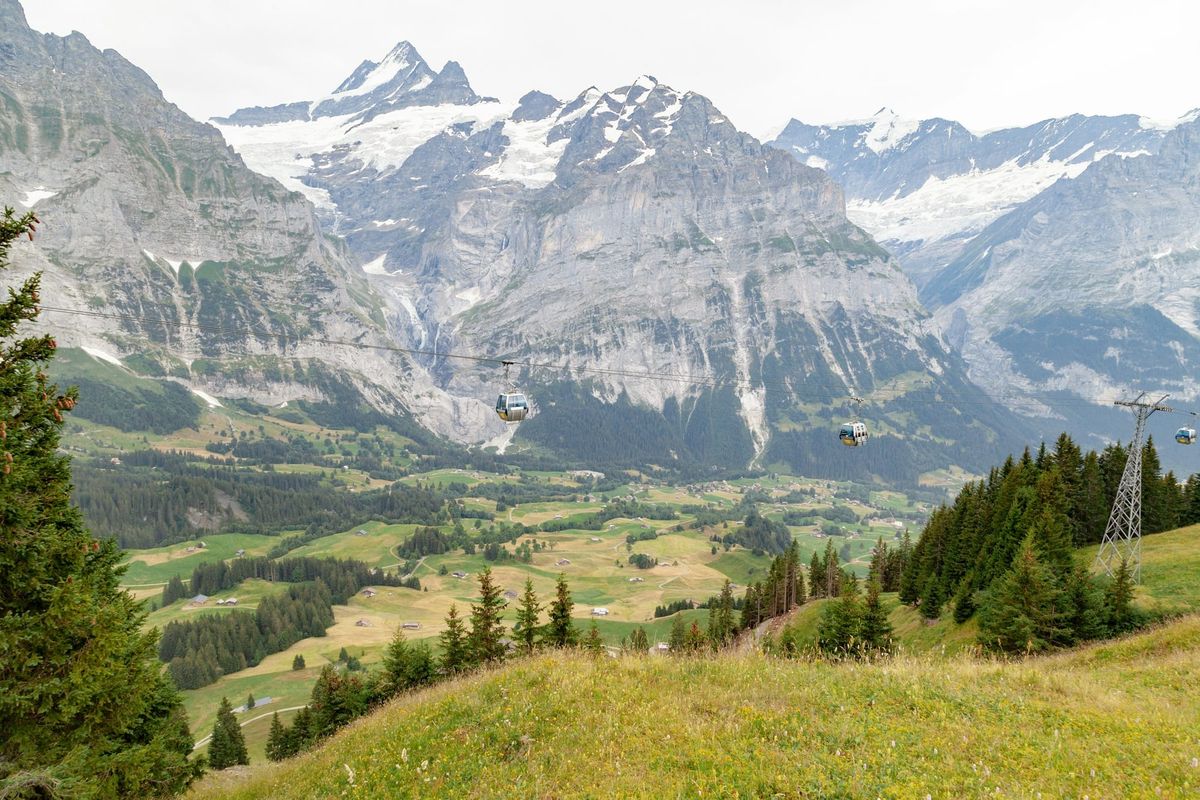
Switzerland’s latest summer lift figures show stronger use of the mountain network, but they also show why a destination’s growth rate needs an explanation of which facilities were available. Closures and reopened infrastructure can change a regional comparison even when the remaining businesses are performing well.
Seilbahnen Schweiz’s 5 October 2026 monitoring covers May to September and reports first entries across more than 140 participating businesses. The national result was 10% above the same period of 2025 and 28% above the five-year average. These are entries to mountain transport businesses, not overnight stays, unique tourists or a complete measure of tourism expenditure.
The regional spread is substantial. The Bernese Oberland recorded growth of 22%, while eastern Switzerland was broadly unchanged. The association identifies the closure of the Säntis cableway as a major influence on the eastern result; excluding it, growth would have been 25%. A flat regional headline therefore conceals a much stronger comparison for the remaining measured network.
That is particularly relevant to accommodation owners using regional tourism figures in a forecast. A hotel beside an unavailable attraction may experience a different market from one serving facilities that remain open. Some visitors may substitute another excursion, while others may shorten a trip or choose a different place to stay. The aggregate entry figure does not show how those decisions affect individual properties.
The altitude comparison also resists a simple assumption that higher mountains always produce stronger summer growth. Participating businesses between 1,000 and 2,000 metres recorded a 15% increase, compared with 3% below 1,000 metres and 2% above 2,000 metres. That describes this sample and period; it does not establish altitude as the cause of performance.
A useful operating review would retain the published total and add a comparable group of facilities open in both years. It would explain exclusions, operating days and material changes to the product. Revenue should then be examined alongside entries, since more visits can produce a different financial outcome depending on ticket mix, staffing and the cost of running the network.
The five-year comparison needs similar care. It offers a longer reference period, but an average combines years with different conditions and available capacity. It should not be treated as a forecast of the growth a newly built hotel can expect, or as evidence of the return on a particular lift project.
These figures now cover most of the summer trading period, but they remain May–September monitoring rather than a complete annual account. Their most useful property lesson is straightforward: establish the operating network behind the statistic before translating a destination’s visitor growth into accommodation demand.