Valloire’s Hotel Upgrade Connects Property Capital and Operating Ambition
A private investor is supporting the planned Valloire hotel transformation in France. The five-star ambition needs to be assessed alongside delivery and recurring operating costs.

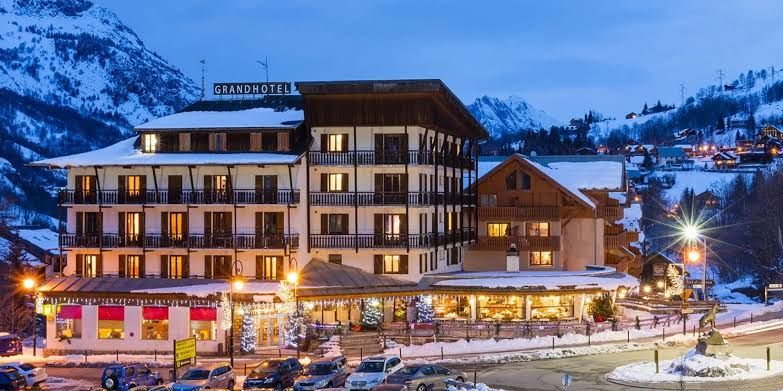
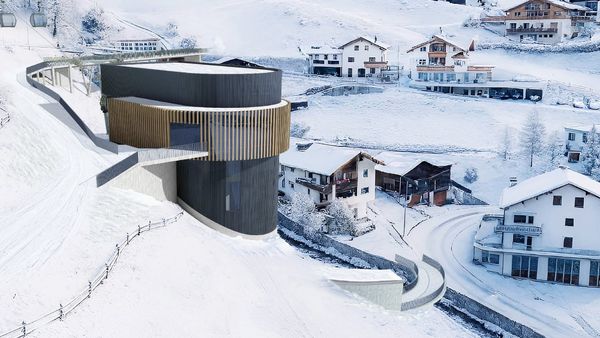
The planned transformation of the Grand Hôtel de Valloire et du Galibier shows how a mountain hotel’s next chapter can depend on bringing property capital together with an established operating business. The project aims to move the current three-star hotel towards a five-star offer, with works scheduled to begin in November 2026 and completion targeted for winter 2028/29.
In its 21 September announcement, Christie & Co France said it had helped the family-owned Hôtels Charme & Design group find a private investor to support part of the property holding and the renovation and extension works. The release does not disclose a transaction price, the investor’s identity or a complete financing structure.
The proposed programme increases the hotel from 37 to 43 rooms and adds more than 300 square metres of wellness facilities, alongside changes to the restaurant and bar. Those details describe the intended product. The five-star positioning remains a target, not a classification already awarded to the completed hotel.
For owners, the interesting feature is the relationship between the building and the business. A property investor may be prepared to fund long-lived improvements, while the operator needs a service model capable of supporting the resulting occupancy costs. The public information does not establish the contractual arrangement here, so it would be premature to describe it as a particular lease or ownership model.
Understand the market around the mountain.
Follow our coverage of Japan and global mountain destinations, then explore Uchi Insights Premium for detailed property data and market reports on Japan’s resort markets.
Your free article continues below.
An upgrade also changes the costs that must be supported after construction. More extensive wellness facilities require staffing, cleaning, energy and maintenance. A smaller number of premium rooms can still be an intensive business. The relevant comparison is the contribution generated by the whole offer, rather than the prestige of a target classification or the addition of six keys.
The construction interval belongs in the investment case too. A programme running towards winter 2028/29 creates a period in which capital is committed before the full new offer can trade. The announcement does not settle how the hotel will operate during the works. Any assessment of income or booking availability needs that question answered directly, rather than assuming uninterrupted operation or a complete closure.
For Valloire, a higher-service hotel could broaden the accommodation proposition, but one project does not demonstrate a general rise in room rates or residential values. Its eventual influence will depend on delivery, guest response and how it fits with the destination’s existing businesses and seasonal calendar.
The next useful evidence is therefore specific: confirmation of the works, operating arrangements during construction and the final product approaching opening. The project is already a relevant example of capital supporting hotel repositioning. Its commercial success remains something to measure, rather than an outcome established by the announcement.