A Setouchi Hotel Conversion Makes Succession Part of the Investment Case
ISLET Setouchi’s ten-room conversion links business succession with a new inclusive hotel concept. Private facilities also create recurring operating obligations.

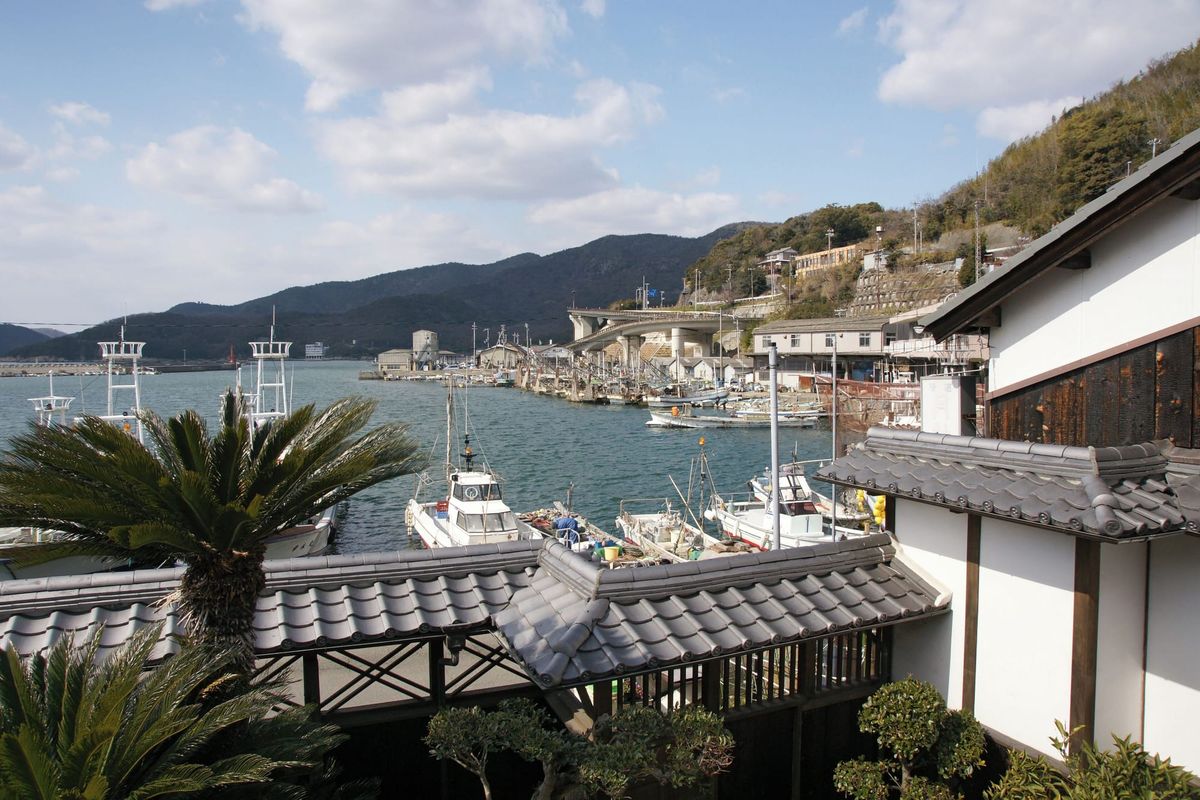
A ten-room coastal hotel planned in Hyogo shows how the future of a small accommodation property can depend on finding a new operating concept as well as a successor. ISLET Setouchi is scheduled to open on 9 December 2026 in the Murotsu area of Tatsuno, following the conversion of an existing hospitality property whose business lacked a successor.
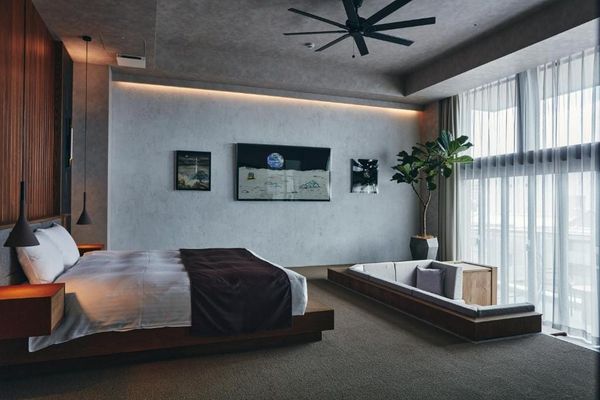
Yado Plus announced the project on 14 October. The planned offer combines sea-facing rooms, semi-open-air baths in all ten rooms and private saunas in seven. Accommodation starts at 48 square metres, with some rooms suitable for larger parties. The company is positioning the property around an inclusive stay rather than simply a bed beside the coast.
The significance for regional property is the combination of continuity and repositioning. An existing site can retain its place in the visitor economy while changing the product, operating requirements and target guest. That does not make conversion inherently cheaper or easier than new construction. Building condition, services and the scope of the refurbishment determine the actual capital burden.
Private bathing facilities illustrate the trade-off. They can distinguish a small hotel and support a more self-contained stay, but they also create cleaning, maintenance, water and energy obligations within each room. The relevant operating question is whether the price and booking pattern cover those obligations over the whole year, including quieter periods.
The announced inclusive format adds another layer. Meals and other included services can make the guest’s budget more predictable and keep spending within the property. They also shift more of the visitor’s experience onto the operator. Procurement, food waste, staffing and the timing of service become central to the room’s contribution, rather than optional extras outside the accommodation calculation.
For owners comparing offers, the unit of price needs care. A per-person package based on several guests sharing is not a nightly room rate. Comparing it directly with a room-only hotel can misstate both affordability for the traveller and revenue for the business. Party size and the included services must remain visible.
The project announcement does not disclose acquisition terms, total conversion cost or a stabilised operating forecast. It therefore supports a case study in product and business succession, rather than a claim about achieved investment returns. The success of the concept will become measurable only after opening and trading across different demand periods.
For other small regional hotels facing succession questions, ISLET’s plan is useful because it treats the building and the business together. Preserving a property’s hospitality use may require a different offer and operating team, with the capital and service model designed around the guests it can realistically attract.