Club Med Tremblant Links Hotel Capital to Mountain Expansion
Club Med has started work at Tremblant as the resort prepares a C$42.5m mountain expansion. The commercial test is how hotel and infrastructure capital work together.

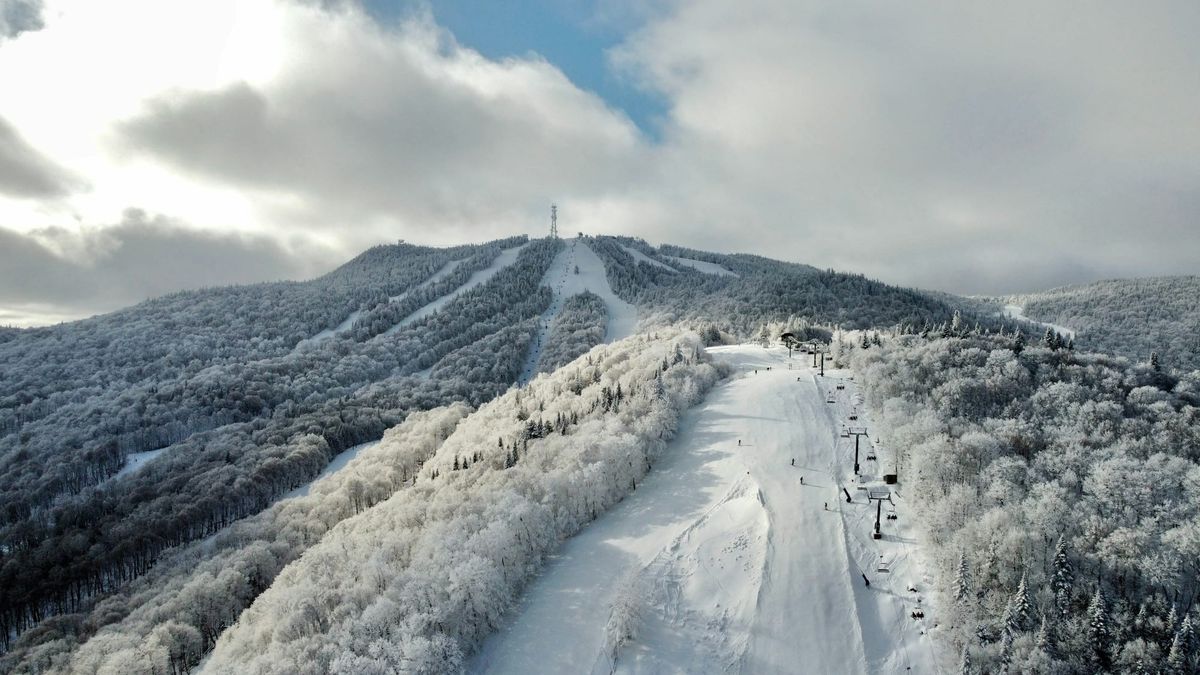
Construction has started on Club Med Tremblant, giving Mont-Tremblant a new accommodation anchor alongside a separate expansion of its mountain infrastructure. The all-inclusive resort is scheduled to open in December 2028 on Versant Soleil. Club Med describes it as its second Canadian mountain property after Québec Charlevoix, which opened in 2021.
The timing matters because the hotel is not arriving as an isolated building. Station Mont-Tremblant has announced a C$42.5 million Timber Summit project for winter 2027/28, adding 62 acres, eight trails and a high-speed quad. Pairing beds with access and capacity can strengthen the destination proposition, although the hotel and lift investment will need to be assessed independently once operating results are available.
Club Med says Québec Charlevoix has welcomed more than 170,000 guests since opening. That cumulative figure demonstrates use of the product but does not disclose occupancy, room rates or profitability. The Tremblant plan is expected to create around 300 direct jobs, while more than 61% of the site is intended to remain green space. Those commitments create practical tests around recruitment, housing, transport and environmental delivery.
The ownership structure is also notable. French property fund Comète SCPI is presented as an investment partner, while Club Med supplies the operating brand and all-inclusive model. For mountain destinations, that separation between property capital and hospitality operations can accelerate development, but it also makes the lease, management obligations and allocation of capital expenditure important—even where those commercial terms are not public.
For surrounding accommodation owners, a major branded resort can expand destination awareness and add year-round programming. It can also compete for staff, guests and supplier capacity. The useful indicators after opening will therefore be more than visitor numbers: achieved rates, stay length, seasonal occupancy, recruitment and whether Versant Soleil gains additional commercial activity outside peak winter weeks.
The construction horizon creates another distinction. Timber Summit is targeted for the winter before Club Med opens, so infrastructure may begin shaping Versant Soleil ahead of the hotel’s first guests. That sequencing could help the operator market a more complete product, but it also exposes the destination to separate delivery schedules. Delays to either component would not necessarily stop the other, though they could change the combined proposition.
Comète SCPI’s participation also brings retail property capital into a development whose performance depends on a specialist mountain operator. Readers should watch whether public disclosures eventually identify lease duration, rent structure and responsibility for major works. Those terms determine how tourism volatility is shared even when the guest sees one integrated resort.