Palace Hotel Hakone Moves From Demolition to a 2029 Rebuild
Construction has started on the Palace Hotel Hakone replacement, due in autumn 2029. The active project still carries a long delivery and positioning test.

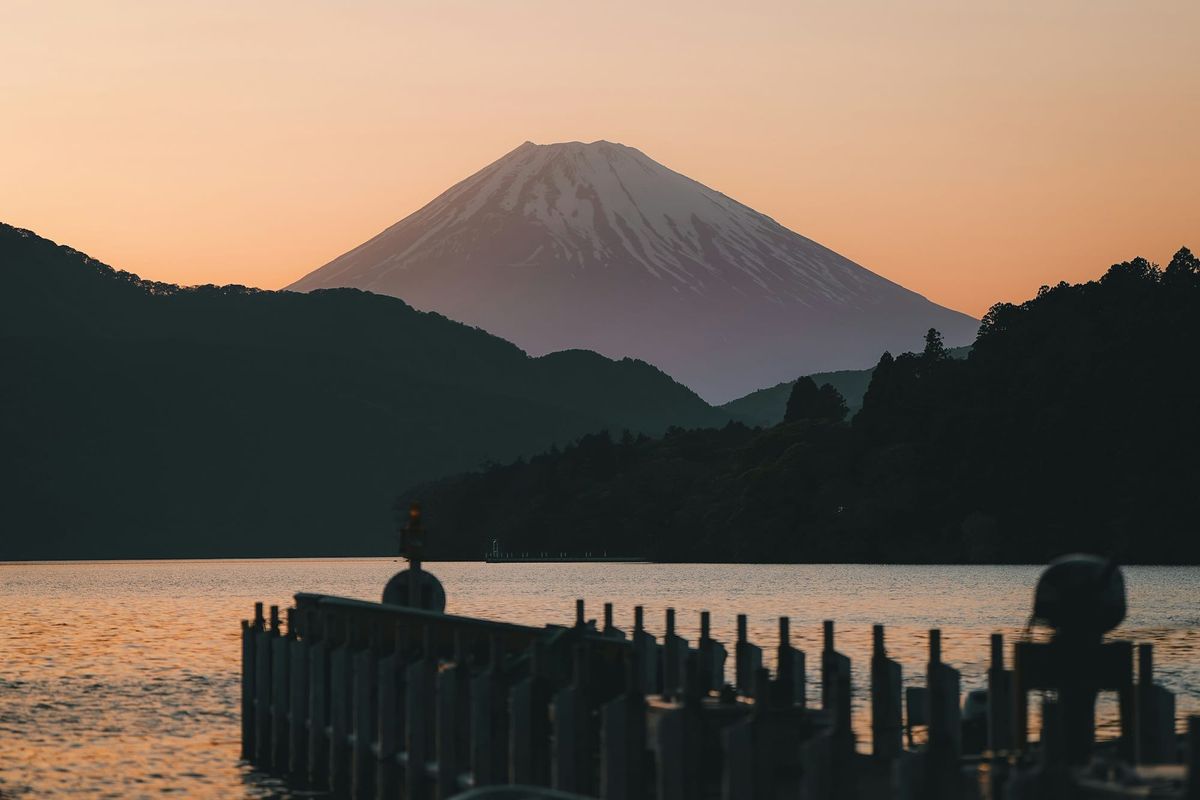
Work has begun on the replacement of the former Palace Hotel Hakone in Sengokuhara, with opening scheduled for autumn 2029. Palace Hotel, Kyushu Electric Power and Craftia held a groundbreaking ceremony on 13 October and announced the start of construction the next day. The milestone turns a long-dated hospitality plan into an active development, without making the 2029 opening certain.
Rebuilding an established resort hotel involves a different risk profile from converting an operating property. The owner accepts several years without trading from the site while committing capital to a new product. In return, a purpose-built hotel can reset room sizes, facilities, energy systems and service areas rather than working around an inherited structure.
Hakone has strong access from Tokyo and a deep leisure market, but that does not eliminate delivery or operating risk. Construction costs, labour availability and the eventual competitive set can change before opening. A project announced three years in advance should therefore be followed through procurement and construction milestones rather than treated as completed supply.
The partnership is also commercially relevant. Palace Hotel brings hospitality operations and brand expertise; Kyushu Electric Power and its group company bring property and construction interests. Such combinations can align long-term capital with a specialist operator, although the public release does not disclose ownership shares, total development cost or contract economics.
For Hakone property businesses, the project adds evidence of institutional willingness to commit to the destination despite a long development period. It may support employment and supplier demand during construction and add a new competitor after opening. The practical indicators are schedule, final scale, recruitment and how the hotel positions itself against existing luxury ryokan and resorts. Until those details are published, the strongest statement is that rebuilding has started—not that commercial performance is secured.
Sengokuhara’s appeal combines landscape, museums, hot springs and access to the wider Hakone circuit. A new hotel can draw on that established demand rather than create a destination from scratch. The announced product comprises 69 rooms, including six suites and five villas, plus wellness facilities and three dining venues; its competitive performance will need to be assessed after opening.
The project also highlights the value of retaining a known site through a period of closure. Long-held land can support patient redevelopment, while the opportunity cost of an idle property remains real. Future reporting should distinguish the economics of the land from the operating hotel and avoid treating the eventual room rate as a return on construction alone.
Go deeper with Premium Analysis, or explore Uchi’s detailed Data Rooms and full research library with All Access.