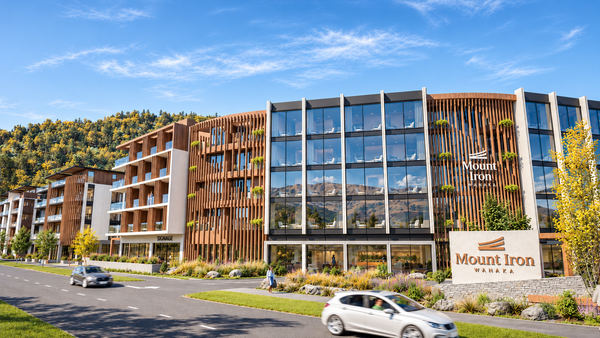
Mount Iron Puts Homes and a Hotel Into the Same Wānaka Plan
Mount Iron’s planned Sudima hotel and 72 residences raise useful questions about shared facilities, ownership rights and the meaning of the project budget.

Mount Iron’s planned Sudima hotel and 72 residences raise useful questions about shared facilities, ownership rights and the meaning of the project budget.

A reported later opening for Six Senses Myoko brings the timing of resort investment into focus for nearby property buyers and accommodation owners.
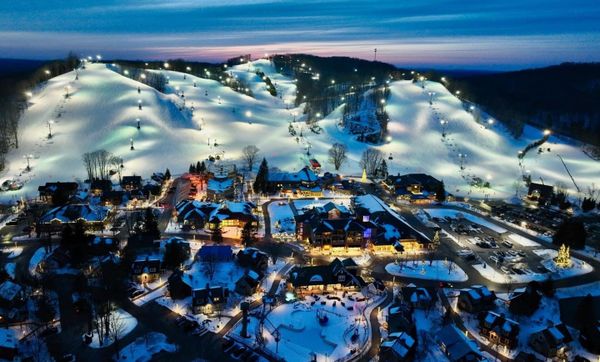
Who owns the rooms at a family-owned ski resort? At Crystal Mountain, the answer helps explain why the choice of a buyer or partner matters to hundreds of homeowners.

Hakuba's extraordinary November opening provides a new test of the economics of snow reliability. While Goryu invested in a predictable opening date, neighbouring Happo-One opened early thanks to natural snowfall. We examine whether the ability to make snow justifies its cost and who benefits.
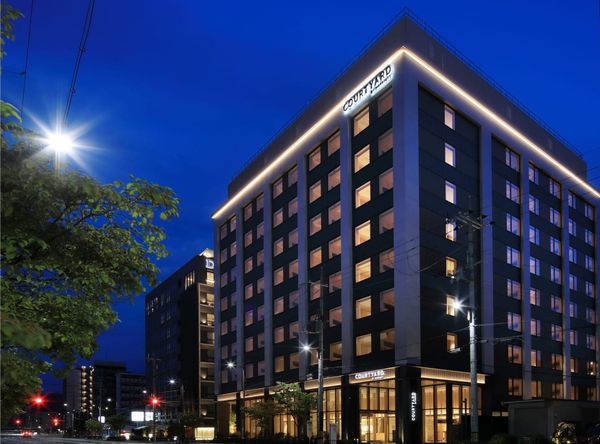
Kyoto’s new 270-room Courtyard shows how a railway group can extend the arrival experience into accommodation, with a clearly defined station location.

Cardrona’s summer timetable shows why a second mountain season needs its own operating model—and why nearby accommodation should plan around it.
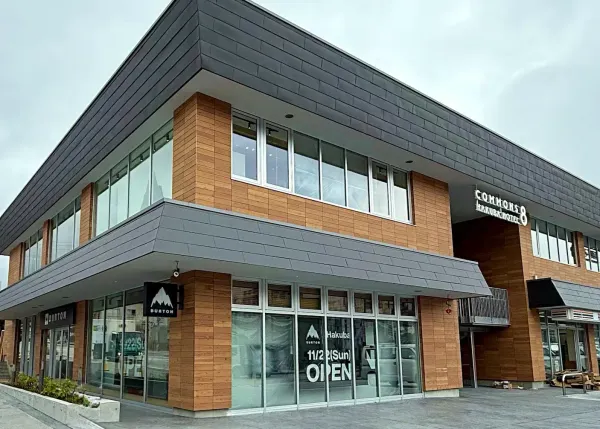
Burton’s new station-front store adds another reason to pause at Hakuba’s arrival point. Its opening is distinct from the wider building’s later accommodation plans.

An eight-night rail holiday can change two weeks of rental income. We model the adjacent booking gap, break-even rates and when flexibility earns its place.
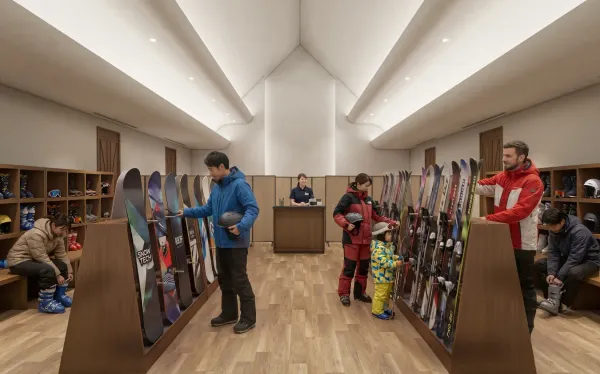
An unused hotel chapel is being repurposed for winter equipment. The practical property story is the adaptation of existing space, with transport still to be arranged.
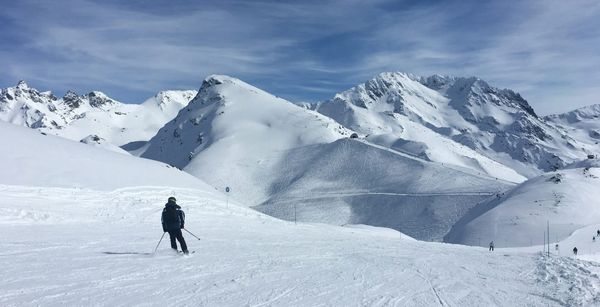
A fifty-one-room hotel is preparing to open in Les Menuires. Its full-service offer creates a specific accommodation competitor, rather than a uniform substitute for apartments.
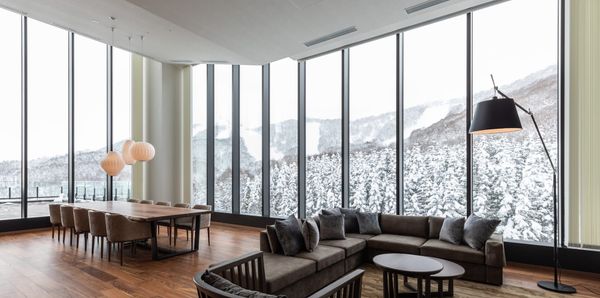
Rusutsu’s apartment asking price per sqm sits well below Hirafu’s. Hakuba and Furano are much closer. We explain what those differences mean for buyers.
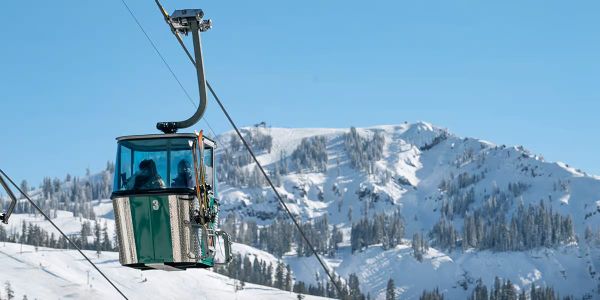
Sugar Bowl’s US$100 million refurbishment connects village access and shared amenities with the long-term appeal of mountain homes.
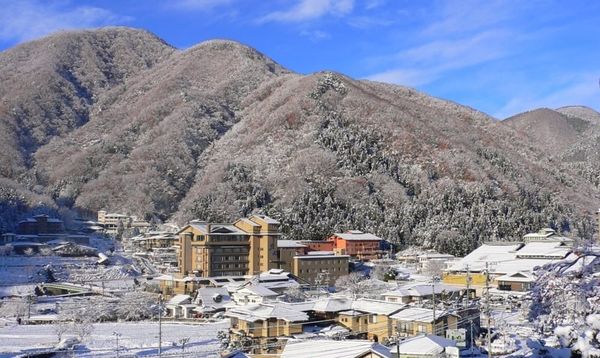
Japan
Hirugami’s shared winter programme combines local activities with accommodation, while individual inns add their own benefits to encourage overnight stays.
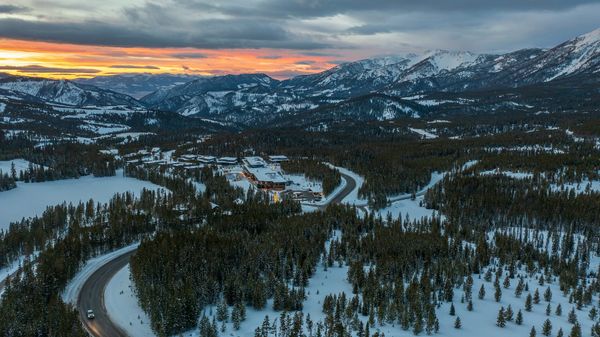
United States
Big Sky’s winter update gives accommodation operators a more specific offer for guests who do not ski, while keeping access and operating conditions clear.

Premium Analysis
NSD wants more of Hakuba’s visitor spending. We examine the difference between property sales and recurring income—and what its strategy means for owners.
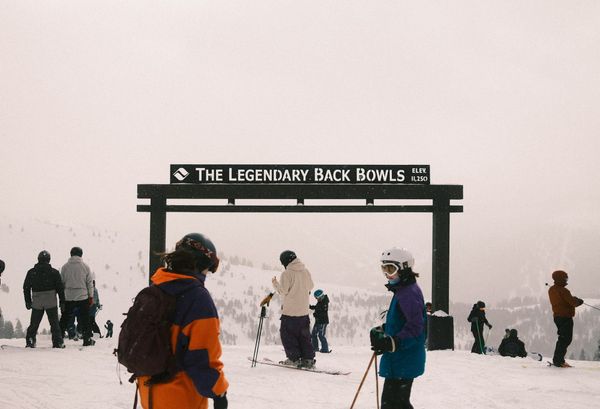
United States
Oasis’s new proposals bring paid priority lift access and resort development into Vail’s board contest, with implications for accommodation and property owners.
Premium Analysis
The ski branded-residence pipeline adds projects faster than homes. Our calculations examine scheme size and what buyers need to know about shared costs.
Japan
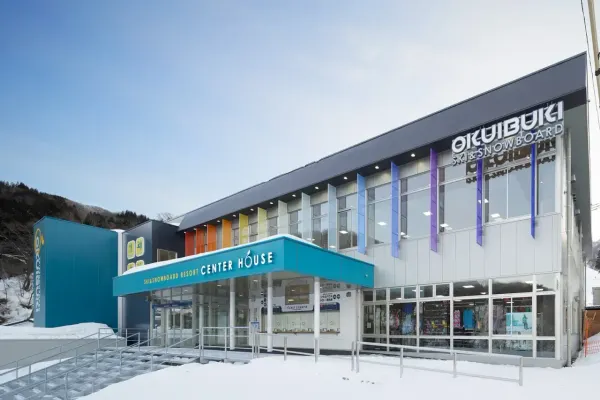
Okuibuki’s rental redevelopment will serve the new season from its start. The commercial question is how effectively it helps occasional visitors get on snow.
Andorra
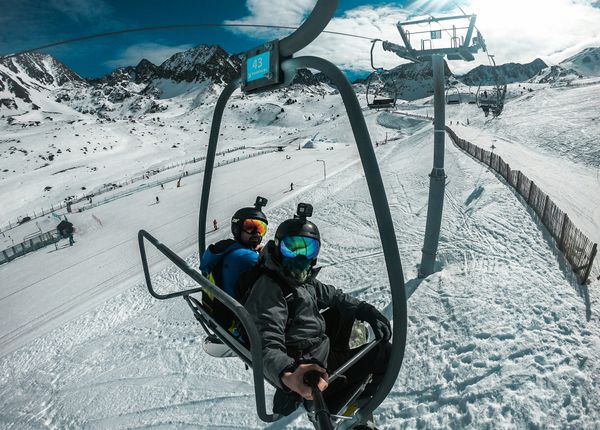
Grandvalira’s investment announcement covers immediate service improvements and later lift projects. Accommodation businesses should distinguish the two.

Premium Analysis
A ¥100 million budget opens very different searches in Japan’s ski resorts. We compare house and apartment asking prices—and the choice behind them.
Premium Analysis
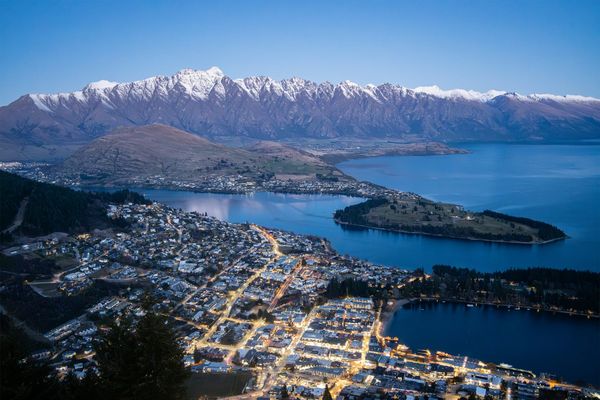
Queenstown’s annual accommodation figures cannot establish ski-season demand. We test the seasonal mix and the cost of reserving winter dates.

Niseko
Niseko’s ¥300,000 Fast Pass joins a growing market for priority lift access. We examine the business of selling time—and what it means for the wider resort experience.
Premium Analysis
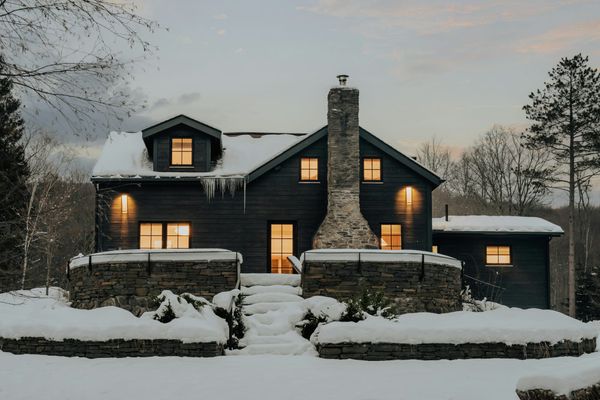
Whistler’s sales decline varies by property type. We calculate the category movements and show why turnover and changing sales mix do not measure appreciation.
Japan
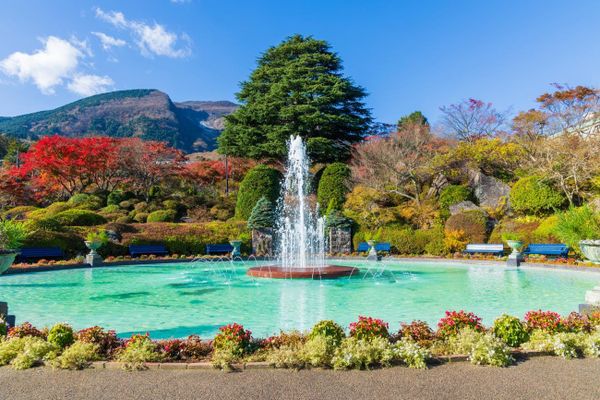
Accor’s planned 15-room Hakone Koan shows how a small, selective hotel can connect to an international collection without becoming a large resort.