Mount Iron Puts Homes and a Hotel Into the Same Wānaka Plan
Mount Iron’s planned Sudima hotel and 72 residences raise useful questions about shared facilities, ownership rights and the meaning of the project budget.

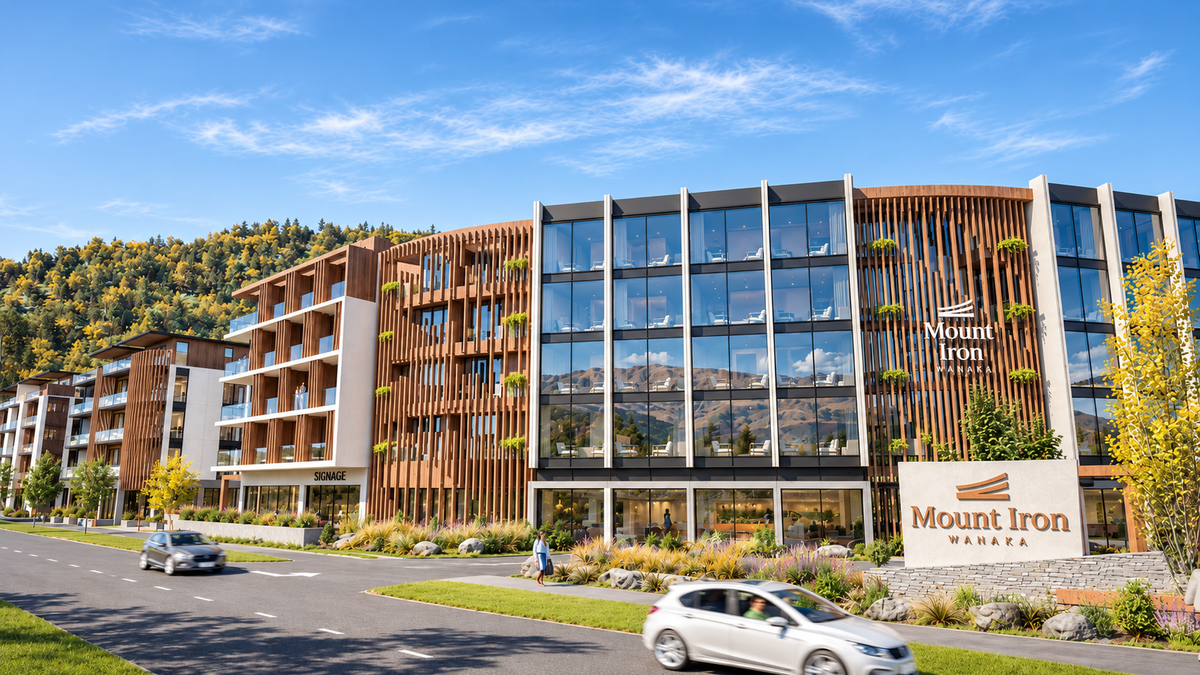
In the alpine destination of Wānaka, New Zealand, a proposed NZ$180 million development places a hotel and homes within one compact site. Kirk Roberts’ 12 November announcement describes Mount Iron Wānaka as a 136-room Sudima hotel alongside 72 residences. Construction is anticipated to begin in 2027, with delivery expected over roughly four years; these are development intentions, not accommodation available for the coming season.
The residential element comprises 39 townhouses and 33 apartments, including three penthouses. The stated site area is 1.87 hectares. Those details make the project more informative than a headline investment value alone: it combines several forms of accommodation and ownership in a single location, with different customers and potentially different operating obligations.
A hotel guest buys a stay. A homebuyer acquires a longer relationship with the place, including whatever rights and charges attach to the property. Putting them beside each other can create demand for shared food, leisure and wellbeing facilities, but it also makes the allocation of costs important. A buyer needs to know which facilities come with ownership, which require payment and who funds their eventual replacement.
The announced total should not be divided by the hotel room count to create a construction cost per key. It includes a mixed development with residential buildings and other elements, and the release does not provide the allocation needed for such a calculation. Equally, the hotel’s brand does not establish that every residence is a branded hotel investment or participates in a rental programme.
Kirk Roberts and Sudima have worked together previously at Kaikōura. That supplies a relevant delivery relationship, although it cannot establish the eventual performance of a different project in Wānaka. For a purchaser, the more useful next documents will be the plans, ownership agreements and precise specification for the particular home being offered.
The location’s appeal can extend across the year, but hotel underwriting still needs a calendar. Winter visitors, summer holidaymakers and people travelling for other reasons do not necessarily want the same length of stay or room configuration. A development can support several audiences without every part of it being equally busy in every month.
Mount Iron’s most interesting feature is the attempt to build a community of uses around the hotel, rather than treating the hotel as a standalone building. Whether that works will depend on how residents, guests and local customers can use the place together. As sales material develops, the revealing detail will be the practical boundary between private ownership and shared hospitality: who has access, who pays and who makes the decisions.
Follow the mountains beyond the snowfall. Unlock the Premium Analysis archive, with new premium articles delivered straight to your inbox.
Join for US$80 a year–roughly a coffee a month to keep yourself informed.