Crystal Mountain Is Looking for a New Owner. But Not Just Any Buyer.
Who owns the rooms at a family-owned ski resort? At Crystal Mountain, the answer helps explain why the choice of a buyer or partner matters to hundreds of homeowners.

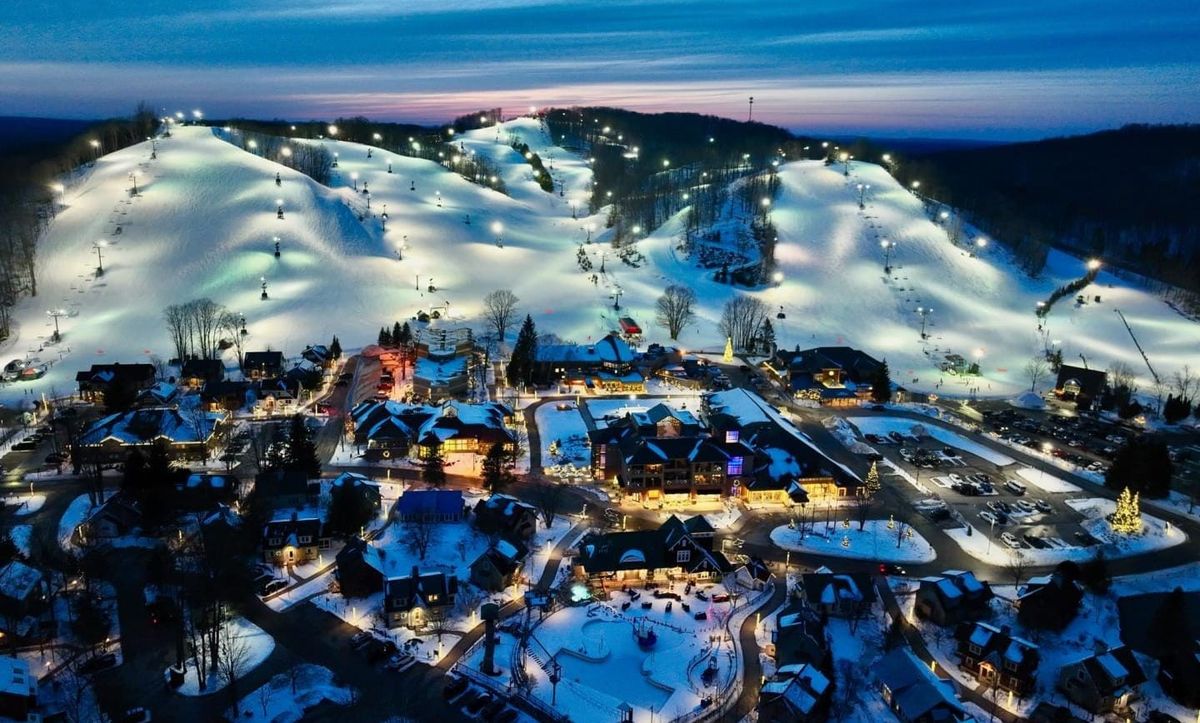
The Michigan family will also consider a partner. Its plans for the land at the foot of a chairlift help explain what it wants from either.
At Crystal Mountain in Thompsonville, Michigan, in the United States, one of the most interesting pieces of land sits at the foot of the Loki chairlift. For years, the resort used it to house the people and equipment that keep the mountain running. With those operations now in a new home, the family has an idea for the old site. It could teach people to ski downstairs and give them a chance to own a place to stay upstairs.
Who gets to build it is an open question. On 13 November, chairman Jim MacInnes confirmed that the family would consider selling Crystal Mountain or taking on an investment partner. “Our top goal is finding a values match,” he told The Traverse Ticker. No asking price, agreed buyer or transaction has been announced.
How a Ski Club Became a Year-Round Business
When Buck Hills Ski Club opened in 1956, local volunteers had cleared three runs and skiers helped pack the snow underfoot. In 1966, with the renamed Crystal Mountain facing foreclosure, George and Althea Petritz bought it with partners. The Petritzes took sole ownership in 1981. Their daughter Chris and her husband Jim joined the business in 1985 and today own it with Chris’s five siblings.
Golf was already bringing people back after the snow melted. The family went on to invest in an indoor pool, a spa and a conference centre, giving people reasons to stay through more of the calendar. Jim says one aim was to keep people employed through periods when the resort used to close. That matters at a business employing up to 700 people at peak times.
Consider what a conference booking can do here. Delegates can sleep in privately owned accommodation, eat at the resort and play one of its two 18-hole golf courses, all on a weekday when there might otherwise be few guests. Chief executive John Melcher estimated in a 2025 Traverse City Business News interview that Crystal drew 350,000 to 400,000 visitors annually across all activities. He declined to give winter’s share of the business, so how much skiing contributes to earnings remains an open question.
The Homes That Already Make the Resort Work
Melcher put the number of homes on the property at about 500, with more than 700 owners because some residences are held in shares. Roughly 260 units were in Crystal’s rental management programme at the time. As Melcher explained, most of the accommodation Crystal managed belonged to other people.
That arrangement changes what an investor would be buying. The resort can offer a family a cottage or a conference organiser a block of rooms without having to own every front door. In return, it depends on owners continuing to trust it with bookings and upkeep. For those owners, decisions about snowmaking, summer events or even restaurant opening hours can affect how readily their homes let.
What Could Be Built at the Loki Lift?
Jim estimates that about 400 acres of the roughly 1,500-acre resort could be developed. The family sees room for more skiing, golf and accommodation, uses that would compete for some of the same land and infrastructure. The acreage is his assessment of the opportunity. It comes with no published tally of consented residential plots.
North Village gives that idea a specific address. Its first phase, a US$3.5 million mountain operations centre, is open. Inside, three hydraulic lifts allow mechanics to service four snow groomers and a fleet of 60 vehicles in-house. Moving the workshop also freed up the site by the Loki lift, where proximity to the snow is worth rather more to a ski school, or a family carrying boots, than it is to a mechanic.
The resort’s property arm calls its proposed building First Tracks. Its concept puts ski school, equipment hire and shops at ground level, with two floors of fractional residences above. Owners would buy a share of a residence, and the multi-key layout could allow parts of a home to be let separately. Crystal Mountain Realty is inviting expressions of interest while it researches demand. Public materials give neither prices nor a construction date, and the township records reviewed do not establish final approval for the building.
There is an existing model a prospective partner can inspect. An earlier expansion of the Inn at the Mountain added 25 guest rooms and residences, a market and a rooftop gathering space. At First Tracks, the commercial question is how many additional nights the resort could sell across the year once existing owners’ homes are also available. An investor with hotel distribution or experience selling fractional property could help answer that before committing to construction.
What the Next Owner Would Need to Bring
Jim told 9&10 News that more than US$200 million had been invested since the family adopted its master plan in 1989. That figure records decades of spending. The family has disclosed neither the returns on it nor how much cash the business generates for the next round of work. Jim says it can continue investing incrementally and faces no immediate pressure to sell.
Day-to-day succession is already well advanced. Melcher became chief executive in 2021. Ownership presents a different choice. A minority investor could help finance the next building while the family retained control, a joint venture could bring development expertise to North Village alone, or an outright sale could put the whole resort under new ownership. The family has announced no preferred structure.
A larger operator might secure better equipment terms or spread booking technology across several resorts. Crystal already offers an Indy Pass add-on, though, so it can reach skiers on a wider network while remaining independent. Its local relationships also have commercial weight. The people deciding whether to put a home into the rental programme will have a view on how well the mountain, its water supply and its neighbourhoods are looked after.
The most revealing question for a prospective buyer is what it would fund first. Selling shares in residences might pay for part of a new building, while maintaining lifts and snowmaking will keep costing money long after the last share is sold. Before it chooses a partner, the family can ask who will still be investing in the mountain at that point. So can the people who already own a piece of it.
Follow the mountains beyond the snowfall. Unlock the Premium Analysis archive, with new premium articles delivered straight to your inbox.
Join for US$80 a year–roughly a coffee a month to keep yourself informed.
Related Uchi Coverage
Toggenburg’s Sale Turns a Closed Mountain Into a Competition Test