Can a Town Buy Its Ski Mountain—and Still Afford to Invest?
Nederland’s attempt to buy Eldora raises a harder question: can community ownership leave enough money to invest? We examine debt, snow risk and philanthropy, alongside Eldora’s new sister-resort agreement with Japan’s Zao Onsen.

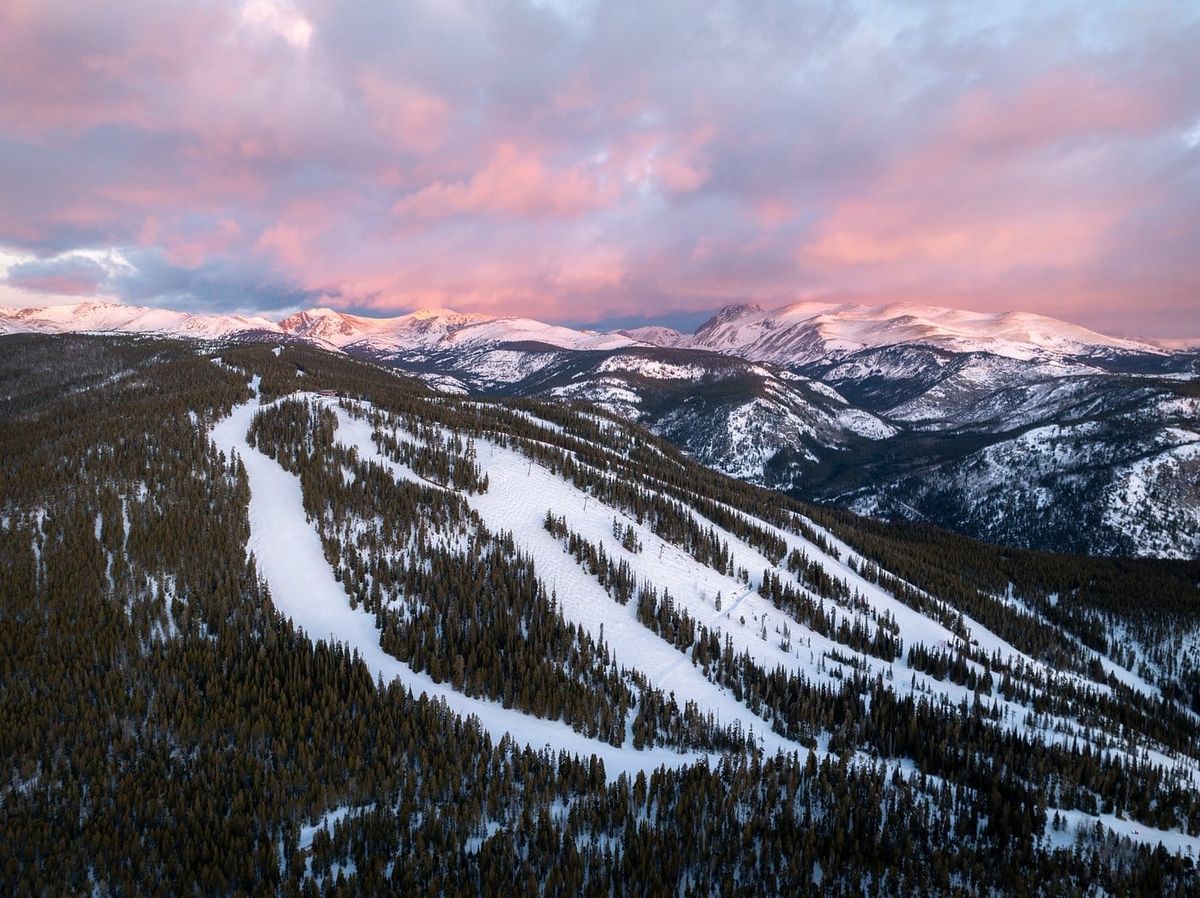
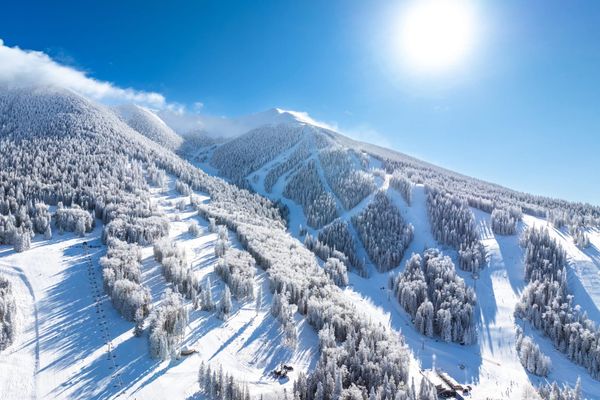
Owning the local ski mountain is an appealing idea. The harder question is how much money remains to run it once the purchase has been financed. Nederland’s attempt to acquire Eldora Mountain Resort in Colorado is becoming a useful test of that distinction, with expensive borrowing and uncertain winters shaping the choices available to a prospective community owner.
The town’s previous purchase agreement with POWDR has expired, although negotiations continue, according to its 30 September update. January’s purchase framework put the price at US$120 million, potentially falling to US$115 million under specified financing conditions. Those are the earlier terms, not a confirmed price for a replacement agreement.
Alongside the acquisition talks, Eldora has announced a sister-resort agreement with Zao Onsen in Japan. It adds an international dimension to a debate about local control, although the partnership and Nederland’s financing remain separate developments.
The cost of local control
Nederland now models borrowing at about 8.5%, up from 7.5%. These are assumptions, not the coupon on issued bonds. To illustrate the sensitivity, one percentage point adds US$1 million in annual interest per US$100 million of unchanged principal, before repayments and financing costs. That calculation is not a forecast of Eldora’s debt service, but it shows how financing can absorb money otherwise available for investment.
The January plan envisaged revenue bonds repaid from resort income, with no pledge of property taxes, sales taxes or the town’s general fund. It also included a two-year debt-service reserve. The September update describes an asset-linked sale-and-leaseback structure and estimates US$2.5 million in town transaction costs if the acquisition fails. Protecting the general fund from bond repayment therefore does not eliminate every public financial exposure.
The eventual documents will matter as much as the ownership label. Payment priorities, reserve requirements and creditor rights determine how much discretion remains with the community when cash is tight. A sale-and-leaseback structure may provide investors with stronger security; its detailed terms will show what that means for long-term control.
Several weak winters are the real test
Prospective bond investors have asked Nederland to incorporate the latest season’s results and more severe poor-snow scenarios. The town says its model still supports debt payments, maintenance and reserves. That is the purchaser’s assessment, not independent confirmation of financial resilience. More conservative snow assumptions also do not, by themselves, establish that a forward-looking climate study has been incorporated.
One disappointing season may be bridged if reserves are sufficient. Consecutive weak seasons may deplete those savings while maintenance continues to fall due. Recovery then requires enough cash to replenish reserves as well as meet current obligations. The two-year debt-service reserve proposed in January should not be read as two years of funding for the entire business.
A useful stress test would show cash remaining after operating costs, essential maintenance and debt payments across several poor winters. It would also show when equipment needs replacement. Deferring a discretionary attraction is one option; repeatedly postponing essential renewal can leave a mountain less reliable and less competitive just when it needs customers to return.
Donations can build infrastructure
Nederland is developing a roughly US$20 million philanthropic strategy for capital improvements, including the Jolly Jug expansion, a Corona lift upgrade, a mountaintop lodge and summer operations. Funding is not reported as secured. State support and family-office participation remain exploratory.
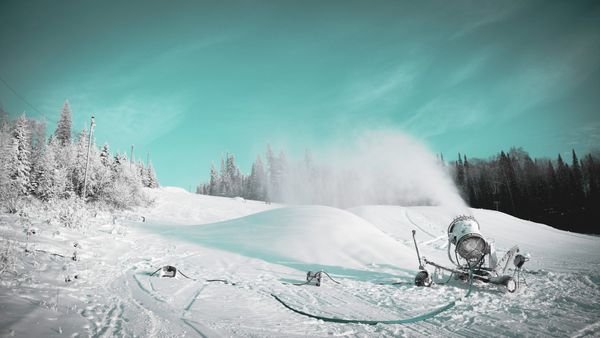
There is a practical precedent. Bogus Basin, the nonprofit recreation area in Idaho, says its initial US$6 million snowmaking investment came entirely from community donations. The system was installed before the 2018/19 winter. This demonstrates that philanthropy can deliver substantial ski infrastructure, although a successful campaign elsewhere cannot establish demand for Nederland’s fundraising proposition.
Separating improvement funding from acquisition borrowing could give Eldora more flexibility over when it builds. The distinction would be strongest if basic operations and necessary renewal remained affordable without future donations. A donated lift still brings staffing, maintenance and eventual replacement costs. Summer attractions also need a credible market, rather than being treated as an automatic cure for winter volatility.
Private gifts, commercial investment and state assistance have different conditions. They should be identified separately, with binding commitments and payment dates distinguished from expressions of interest. Recognition for a donor may be inexpensive; restrictions that dictate an unsuitable project can be costly.
Understand the market around the mountain.
Follow our coverage of Japan and global mountain destinations, then explore Uchi Insights Premium for detailed property data and market reports on Japan’s resort markets.
Your free article continues below.
Community ownership still needs a business plan
Public ownership can coexist with specialist operation. At Ski Cooper, Lake County owns the fixed assets and holds the Forest Service permit, while a nonprofit operates under a long-term lease. It is a useful governance comparison, rather than evidence that Eldora’s proposed acquisition debt is affordable.
Nederland’s earlier public discussions identify local affordability and professional management as objectives. Community ownership could also give greater weight to workforce housing, youth access or investment outside winter. These are choices about how available money is used, not benefits that follow automatically from a change of owner. Discounted access and new facilities must fit within the same operating budget that pays staff and maintains the lifts.
A Japanese relationship with room to develop
Eldora president Andrew Gast announced that an agreement establishing a sister-resort relationship with Zao Onsen had been signed. His public post describes meeting the Zao team and an intention to learn from each other. It does not disclose the exact signing date, legal contracting entities, a detailed exchange programme or additional visitor benefits.
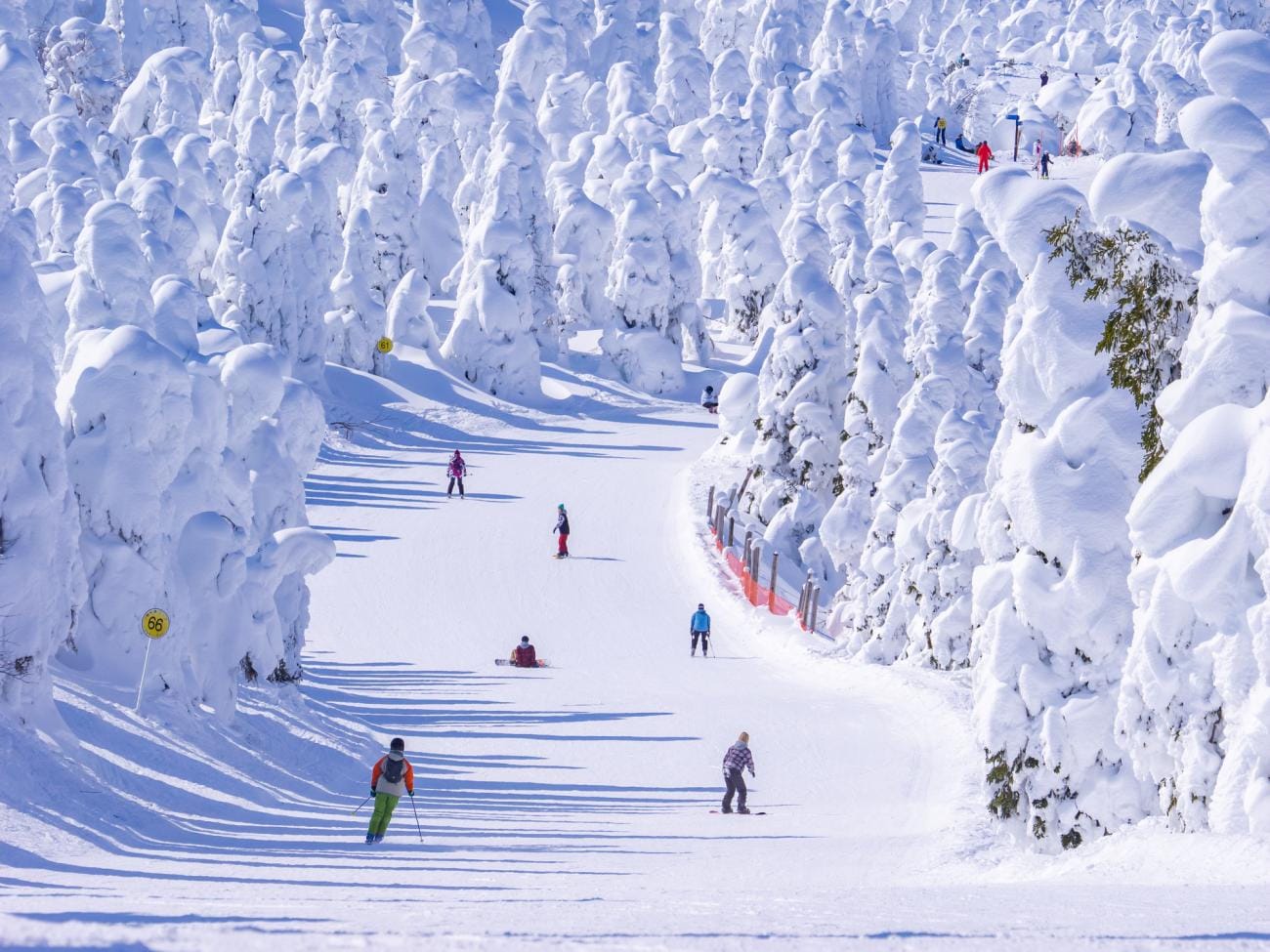
The connection has an established civic background. Boulder and Yamagata became sister cities in 1994; Colorado and Yamagata Prefecture established their relationship in 1986. Both Eldora and Zao Onsen also appear in the 2026/27 Ikon network, but the announcement does not attribute the partnership to Ikon.
An exchange programme could usefully compare staff development, summer demand and the balance between local users and visiting guests. Climate adaptation would need to reflect each mountain’s conditions, rather than assuming one resort’s approach transfers directly. These are possibilities for the relationship to explore, not announced commitments or forecast financial benefits.
The distinction matters for Japan’s resort communities. International relationships can widen access to experience without requiring common ownership. Their value will depend on practical work between the resorts, and there is no evidence that this agreement is part of Nederland’s acquisition strategy.
What neighbouring businesses need to know
For accommodation owners and other local businesses, the most useful outcome would be a mountain able to operate consistently and reinvest over time. Ownership alone cannot support a stronger rental forecast or a higher property valuation. The relevant evidence is the capacity to maintain access, retain customers and deliver improvements without exhausting the business’s reserves.
Nederland’s negotiations are worth following precisely because those questions remain open. A revised purchase agreement and completed financing would be important milestones. The lasting test is whether the resulting business can keep investing through difficult winters while delivering the community benefits that justify pursuing local ownership in the first place.
Sources
- Town of Nederland—Eldora transaction update, 30 September 2026
- Town of Nederland—Asset purchase agreement memorandum, 6 January 2026
- Andrew Gast—Original announcement of the Eldora and Zao Onsen agreement
- Bogus Basin—Community donations and completed snowmaking infrastructure, 24 November 2021
- Ski Cooper—Draft master development plan, May 2025, printed page 6 on existing governance
- CLAIR—Yamagata and Boulder sister city record
- Yamagata Prefecture—Overseas partnerships, updated 18 September 2026
- Alterra Mountain Company—Ikon Pass destination list for 2026/27
- Engage Nederland—Earlier acquisition FAQs and community objectives