US$9 to Ski, US$10 to Spend: The Business Behind Cheap Lift Tickets
Mountain Capital Partners is extending US$9 lift tickets across its US network, with US$10 spending credit on selected offers. We examine how cheap access, early bookings and quieter dates could support the resort business—and what accommodation owners should watch.

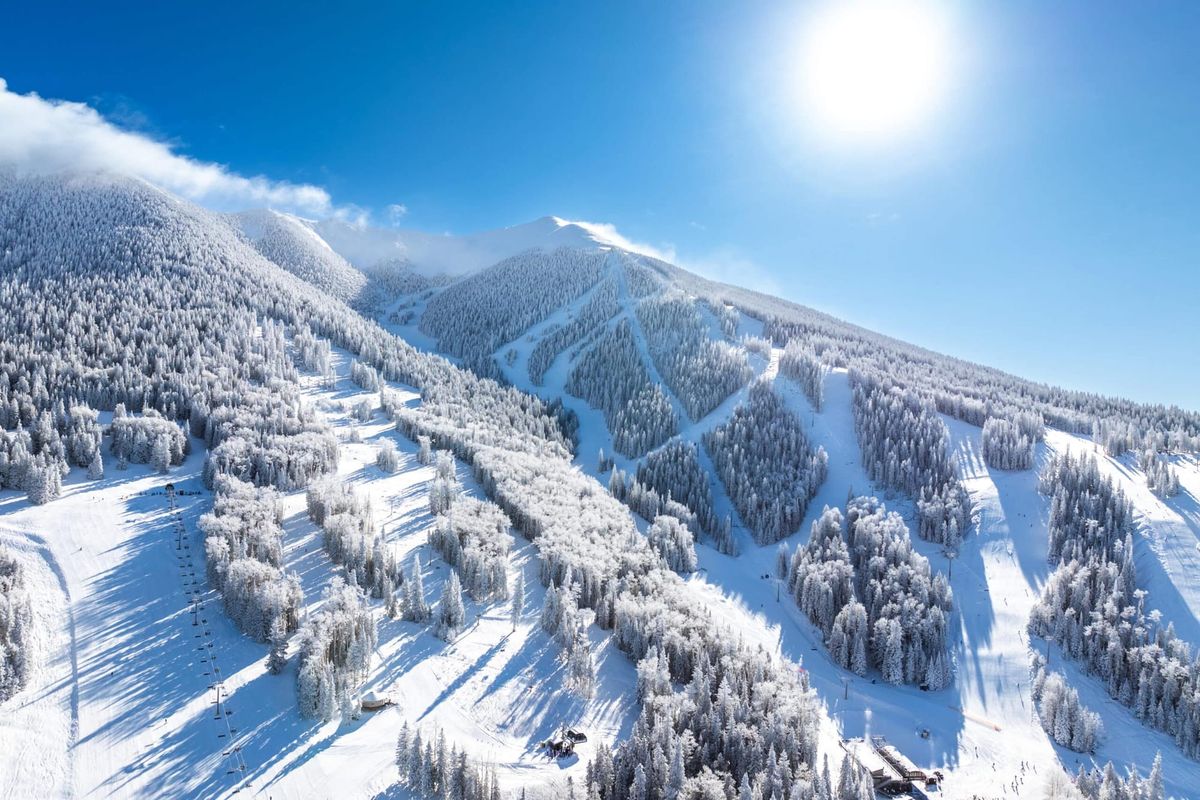
A ski resort selling a US$9 lift ticket and giving the customer US$10 to spend sounds like an unusual way to pay for a mountain. Yet that is the offer being advertised for selected dates at Arizona Snowbowl and Purgatory in the United States. The credit has restrictions, and the cheapest tickets require advance purchase, but the commercial question is worth asking: what does a resort gain by making entry this inexpensive?
On 5 October, Mountain Capital Partners announced plans to offer US$9 tickets across all nine of its US ski resorts for winter 2026/27, describing the rollout as a first across its entire US network. Tens of thousands are planned. That is the announced programme, rather than a count of tickets still available today.
For mountain businesses and accommodation owners, the interesting issue is how price changes behaviour. Cheaper access can attract someone who would otherwise stay home, encourage a visit during a quieter week or leave more of the holiday budget for other services. Whether those changes generate enough income to support the destination requires a closer look.
What has actually changed
US$9 skiing is established practice within MCP. Purgatory’s official 2024/25 press kit already advertised that starting price on selected dates and explained its demand-based pricing. The development this autumn is the wider reach of the offer.
At the 5 October announcement, five resorts had tickets on sale, with four due to follow later in autumn. Availability varies by mountain and date. There is no promise of US$9 access every day, and the announcement does not disclose the allocation for each date.
The resorts describe pricing intended to reward early booking and encourage quieter visits. Snowbowl also warns that prices can rise sharply during holidays and snowstorms. MCP is using a wide price range to serve different levels of demand, so its lowest advertised fare should not be mistaken for the normal price of a spontaneous weekend visit.
Why the credit could make commercial sense
Snowbowl’s US$10 bonus applies to eligible adult tickets bought online in advance. It can be spent on food, non-alcoholic drinks and retail on the visit date, with unused credit expiring that evening. Purgatory advertises limited US$9 tickets with US$10 resort credit and requires qualifying purchases at least 24 hours ahead. These are spending allowances within the resort.
Our reading is that the offer combines a low barrier to visiting with a reason to use the restaurant or shop. A guest might spend beyond the credit, hire equipment or book a lesson. The credit’s face value also differs from the cost of supplying the goods bought with it. Redemption rates, product margins and purchases the guest would have made anyway all affect the result.
That last distinction matters. Giving a discount to somebody who would already have visited and paid more can reduce revenue without adding a customer. Attracting a additional skier who spends elsewhere on the mountain can produce a different outcome. The relevant test is the extra income retained after the credit and additional operating costs, allowing for sales displaced by the promotion.
A quiet Tuesday offers a useful way to think about this. The lifts, patrol and base facilities may already be operating. An extra visitor can contribute towards those costs, while an unused lift seat cannot be saved for Saturday. The resemblance to airline and hotel revenue management is clear, although a busier mountain still needs sufficient staffing, equipment and space to deliver a good experience.
Different ways to secure an early commitment
The comparison with Epic and Ikon is more revealing when it focuses on what the customer buys. Vail’s Epic Day Pass lets skiers purchase one to seven days, select the level of resort access and decide whether to include peak dates, while choosing their visits later within those terms. Ikon Session offers two, three or four days at selected destinations, with reservation requirements and blackout dates.
These products can secure customer payments before winter while giving occasional skiers an alternative to a full season pass. MCP’s cheapest dated tickets make a different offer: a very low entry price in exchange for choosing a particular visit date early. There is still some flexibility. Snowbowl and Purgatory allow conditional changes into credit before the visit, alongside limited refund windows; the detailed rules differ.
MCP also sells season and multi-day passes. Its own Purgatory comparison lists dated tickets alongside four-day, 12-day and unlimited products. Jackson Hole likewise uses limited ticket allocations and advance discounts, while Bridger Bowl’s published 2026/27 adult tariff is US$86 online and US$99 at the window. North American skiing has a much broader price range than its most expensive holiday tickets suggest.
The strategic choice is how much access to offer at each price, with what flexibility and to which customers. Frequent skiers may value a season pass. Someone testing the sport, arranging one outing or returning after several years may find a cheap dated ticket easier to justify. A resort can serve both without adopting a single price for everybody.
What do changes in the mountain business mean for property owners?
Follow Uchi Insights for independent analysis from Japan and mountain destinations worldwide. For a closer view of pricing, sales, supply and market trends in Japan’s leading resort property markets, explore our Premium reports.
Your free article continues below.
Reducing the cost of family skiing
MCP’s Power Kids Pass adds another element: children aged 12 and under can ski free, without a parent having to buy a pass. It lowers one part of the family bill and could make repeated visits easier to contemplate. Equipment, instruction, transport and accommodation still need paying for, so free lift access should not be confused with a free family holiday.
The potential commercial benefit extends beyond the first visit. A child who learns successfully may return with the family; a parent may later buy a pass or book a longer stay. That is a plausible customer-development strategy, rather than an established result of this campaign. Its value depends on whether beginners can also obtain suitable lessons, equipment and an experience they want to repeat.
Cheap access still needs investment behind it
MCP says it has managed more than US$160 million of mountain investment since 2015. It also announced over US$37.5 million in capital improvements for 2026 across its US and South American resorts, including lifts and snowmaking. Those figures show low entry offers alongside substantial investment programmes; they do not demonstrate that discounted tickets fund the work.
The economics must work across the full customer mix and the life of the assets. Higher-priced days, passes and other services may contribute alongside promotional visits. Over time, the business still needs enough cash for maintenance, debt obligations and replacement infrastructure. A promotion can produce a useful contribution on an otherwise quiet day while remaining an unsuitable price for every customer throughout the season.
Public announcements do not establish the programme’s profitability. The evidence that would settle the question includes how many visits are additional, spending after credits, the cost of servicing those visits and subsequent bookings. Management would also need to know whether cheap dates attract new customers or mainly move existing customers away from more expensive products.
When more skiers become more room nights
For accommodation owners, the most relevant outcome is whether the offer creates overnight demand. A local skier driving home after lunch may add no room nights. A family extending a trip into a cheaper midweek period could be more valuable to hotels and rental properties. Even then, additional occupancy needs to leave enough income after discounts, commissions and servicing costs.
This is a useful question for Japan as well. Where a destination wants more business outside its busiest weeks, lift pricing is one part of the visitor’s decision. Accommodation availability, transport and the cost of learning all influence whether an attractive day ticket becomes a booked holiday. Coordination between those services may matter more than simply copying the lowest price.
MCP’s rollout is worth watching because it gives affordable day access a larger role within an established resort network. The strongest measure of success will be customers who visit, return and support the wider business. For property owners, the evidence to follow is additional occupied nights and sustainable spending in the destination, alongside continued investment in the mountain.
Sources: company statements about availability and investment are attributed; the commercial interpretation is Uchi analysis.
- MCP announcement distributed through Outdoor Sportswire
5 October 2026. Nine US resorts, advertised programme volume, initial sale status and 2026 capital programme. Company announcement.
- Arizona Snowbowl winter lift tickets
Checked 7 October 2026. US$9 offers, Snowbowl Cash restrictions, demand pricing and exchange terms.
- Purgatory winter lift tickets
Checked 7 October 2026. Limited offers, advance purchase, credit, demand pricing and pass comparison.
- Purgatory Winter 2024 to 2025 Press Kit
17 December 2024 version. PDF page 2 establishes earlier US$9 pricing and demand management.
- Vail Resorts Epic Day Pass announcement
21 September 2026. Product structure and date flexibility.
- Ikon Session Pass for 2026 to 2027
Checked 7 October 2026. Two to four days, selected destinations, reservations and blackout dates.
- Jackson Hole lift tickets
Checked 7 October 2026. Limited ticket allocations, advance purchase and quieter-period pricing.
- Bridger Bowl lift tickets
Checked 7 October 2026. Published 2026/27 adult tariff.
- Arizona Snowbowl Power Kids Pass
Checked 7 October 2026. Free access for children aged 12 and under; verify enrolment and age requirements at booking.
- Mountain Capital Partners company website
Checked 7 October 2026. Managed investment since 2015 and dated confirmation of the new US ticket rollout.