Why Sugar Bowl Is Investing US$100 Million in the Resort It Already Has
Sugar Bowl’s US$100 million refurbishment connects village access and shared amenities with the long-term appeal of mountain homes.

Sugar Bowl’s US$100 million redevelopment is a reminder that a ski-property proposition depends on what happens around the homes long after they are built. The California resort is renewing lodges, dining facilities and access infrastructure, with its homeowner community described by the resort as a driving force behind the programme.
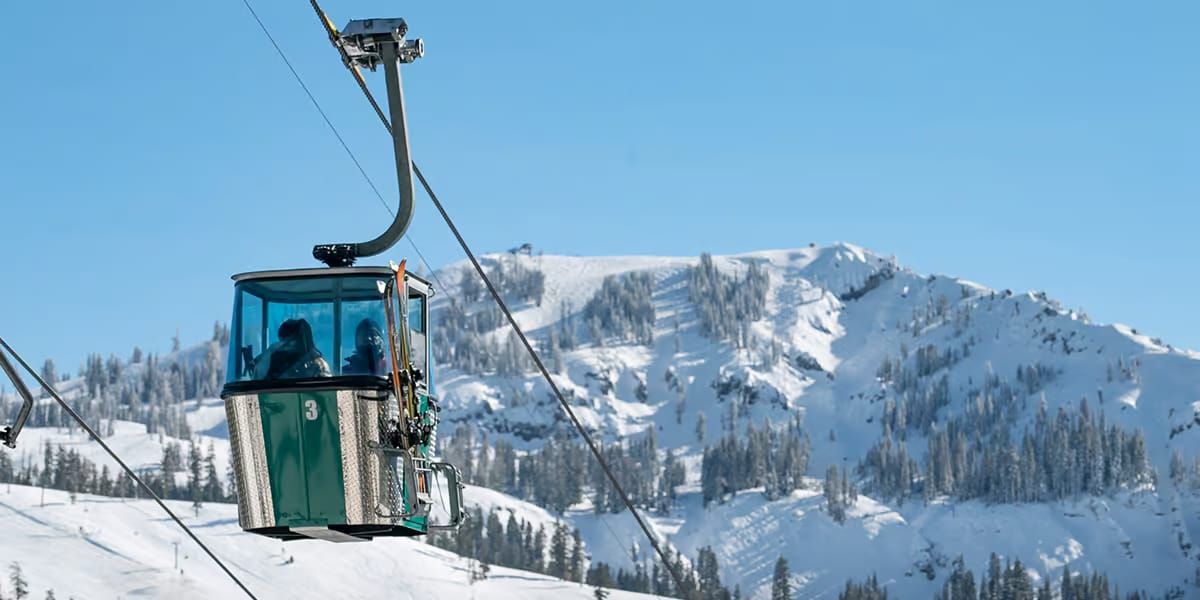
The most revealing project is the Village Gondola. Its predecessor dated from 1983 and had reached the end of its operational life. Construction of the replacement began on 6 April 2026, with a late-2026 opening targeted in the resort’s July update. Eight-person cabins replace four-person cabins, and the new system is designed for accessible boarding.
This is access infrastructure for a snowbound village, linking the highway side with the Village Lodge and Disney Express. Its role extends beyond getting skiers to another run. It helps make a particular kind of mountain settlement function, connecting accommodation and village facilities with the arrival point.
For a property owner, that distinction matters. The experience being purchased includes the journey to the home, the ease of welcoming guests and the quality of the shared facilities. Those features require periodic reinvestment even if the surrounding landscape remains as attractive as ever.
Sugar Bowl’s wider programme includes lodge and restaurant improvements and work on its garage and parking deck. The resort currently gives December 2026 as the Village Lodge completion target. The works are phased, and the programme should not be treated as a single completed opening or a promise that every facility will be available simultaneously.
The commercial question is how much renewal is needed to protect an established resort’s appeal. A new residential scheme can launch with fresh amenities and a persuasive lifestyle proposition. An older destination has to finance the replacement of infrastructure while continuing to serve the community that already depends on it.
Homeowner involvement can give that spending a long-term constituency. Owners may value reliable access, a well-run village and an experience they intend to use repeatedly. However, the resort’s description does not disclose enough to assign the programme’s entire funding burden to homeowners or calculate an assessment per property. Nor does the investment establish that local home prices will rise.
The relevant lesson for mountain-property buyers is to look beyond today’s facilities. Who is responsible for renewing them, how are priorities set and what capital commitments sit behind the promise of an enduring resort experience? Sugar Bowl provides a substantial example of that work in progress. The attraction of a distinctive village is sustained partly by an unglamorous obligation: replacing the systems that allow it to remain distinctive and usable.
Follow the mountains beyond the snowfall. Unlock the Premium Analysis archive, with new premium articles delivered straight to your inbox.
Join for US$80 a year–roughly a coffee a month to keep yourself informed.