Tokyu’s Shiribeshi agreement signals a broader view of Niseko’s future
Tokyu’s new agreement with Hokkaido’s Shiribeshi regional authority suggests the next phase of Niseko-related growth may depend less on ski demand alone and more on building a stronger, more sustainable year-round destination.

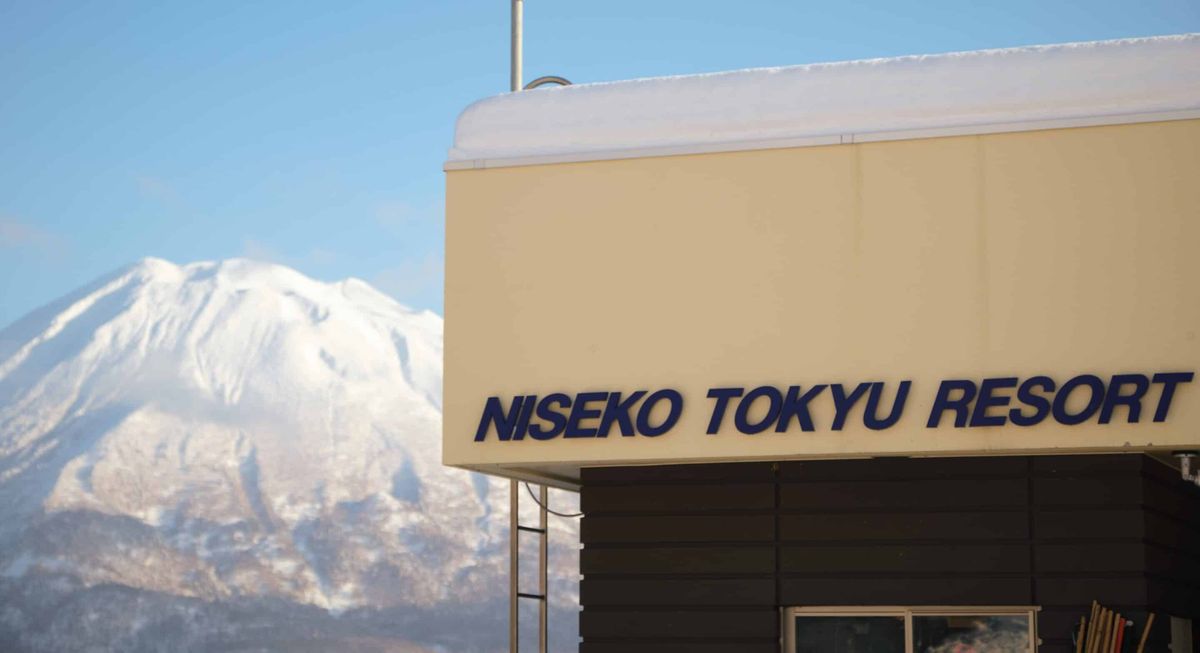
Tokyu Fudosan and Tokyu Resorts & Stays have signed a comprehensive partnership agreement with Hokkaido’s Shiribeshi General Subprefectural Bureau, the regional authority covering Niseko and the wider surrounding area. On the surface, this is a regional cooperation story. More interestingly, it also reflects how major operators are thinking about the next stage of growth in one of Japan’s best-known resort regions.
According to the announcement, the agreement is aimed at creating a more vibrant local society and a sustainable all-season resort area, with cooperation spanning tourism, food, workforce recruitment and training, and environmental policy. That matters because it suggests the conversation around Niseko is widening. The resort’s success can no longer be judged only by winter demand or property prices. Labour, infrastructure, environmental management and broader destination quality are becoming more important to long-term value.
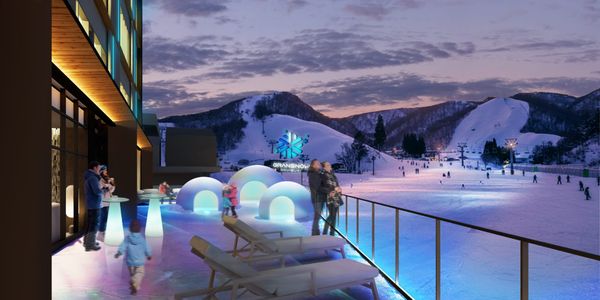
For investors, the key point is that Niseko’s future may depend increasingly on the strength of the wider Shiribeshi region rather than on Hirafu or winter skiing alone. Tokyu already operates Niseko Tokyu Grand Hirafu, so this is not a newcomer making a speculative statement. It is an established player signalling that the next phase of resort development needs to be more coordinated and more year-round. That is generally a positive sign for mature resort markets: as they develop, the focus tends to shift from simple growth to sustainable growth.
This does not mean the agreement will immediately change land values or transaction volumes. But it does reinforce a broader theme that investors should watch closely. In Japanese resort markets, the strongest long-term upside often comes when private operators and regional authorities begin aligning around a fuller destination strategy—not just skiing, but food, staffing, environment and four-season appeal. Niseko appears to be moving further in that direction.