Niseko Village’s new gondola is about more than lift capacity
Niseko Village’s planned gondola upgrade does not just improve mountain access—it points to the continued evolution of Niseko as a more polished, more diversified and increasingly year-round resort market.

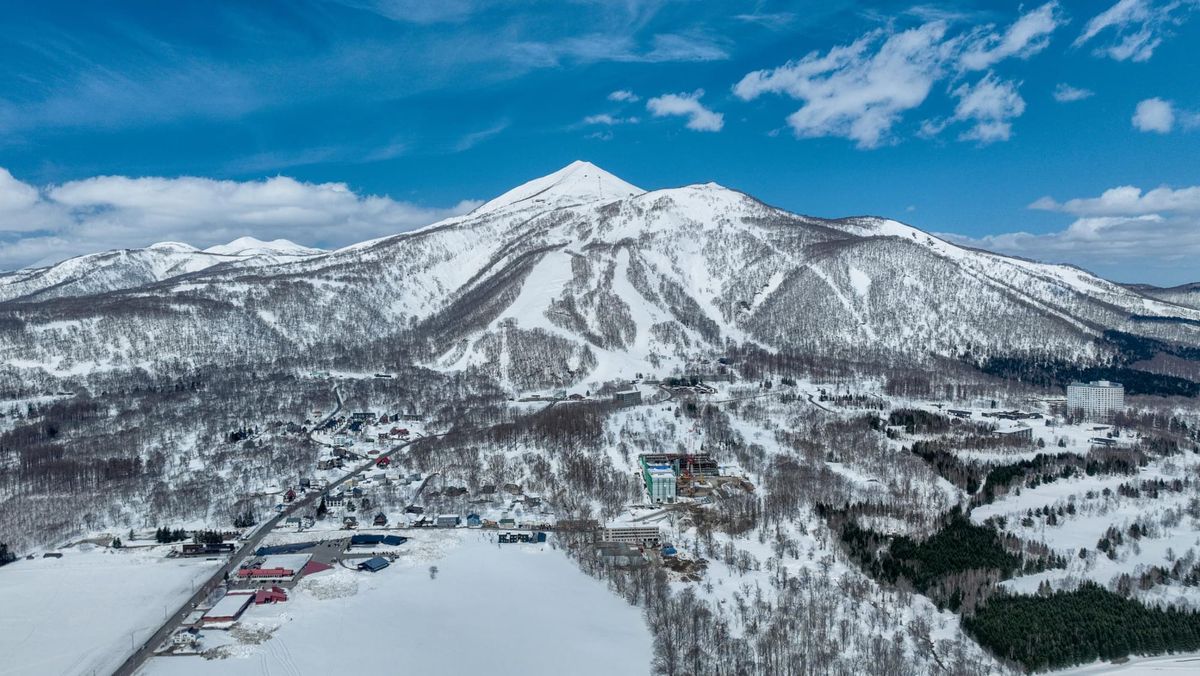
Niseko Village’s planned new gondola is easy to read as a simple lift upgrade. In reality, it says something broader about where the resort—and Niseko more generally—continues to be heading.
The company will replace two ageing two-person chairlifts with a new eight-person gondola running roughly two kilometres from the base area to 930 metres elevation. The project will be delivered in two phases, with the lower section due to open in December 2026 and the upper section in December 2027. Once complete, transport capacity on that route will double to 2,400 people per hour.
On one level, that is just a practical improvement. Faster uplift, fewer bottlenecks and better guest flow are all important in a resort market where visitor expectations continue to rise. But the more interesting point is that Niseko Village is clearly thinking beyond pure ski infrastructure.
The new gondola is being designed to appeal to non-skiers as well as skiers. Four of the 86 cabins will be fitted out as VIP cabins with tables for light refreshments, while two will feature glass floors as scenic “Sky View Cabins”. The company is also considering year-round operation from 2028 onwards.
That combination matters. It suggests the investment is not simply about moving more skiers uphill during peak winter. It is also about widening the resort experience and reinforcing the idea of Niseko Village as a broader mountain destination.
For investors, that is the real significance.
Niseko’s growth story is no longer only about snow quality or foreign demand. Increasingly, it is about how the destination improves infrastructure, diversifies the visitor experience and supports more of a year-round operating model. Lift upgrades help with the ski product, but they also feed into the wider perception of resort quality. When those upgrades are paired with scenic cabins, hospitality-style features and all-season ambitions, they start to look less like maintenance and more like destination-building.
The wider context matters too. The existing Niseko Gondola will continue to operate, while the Wonderland Chair above the gondola station is also set to be upgraded from a single chair to a two-person lift in December 2027, increasing capacity by around 1.7 times. Taken together, this points to a more comprehensive rethink of guest circulation and mountain usability rather than a one-off intervention.
That does not mean every infrastructure upgrade should be treated as a direct boost to surrounding property values. Investors still need to be selective. Exact location, access, asset quality and management all continue to matter far more than headlines alone.
But the direction is positive. Niseko Village’s latest plans reinforce a pattern already visible across Japan’s leading resort markets: more capital going into infrastructure, more effort to serve non-ski demand, and more emphasis on four-season positioning.
In that sense, the new gondola is not just a transport story. It is another sign that Niseko continues to move further towards a more complete mountain resort model.