Hakone’s new Hilton project points to rising confidence in Japan’s luxury resort market
A new LXR hotel in Gora is more than a single hospitality announcement—it is another sign that international luxury brands continue to see long-term value in Japan’s established resort destinations.

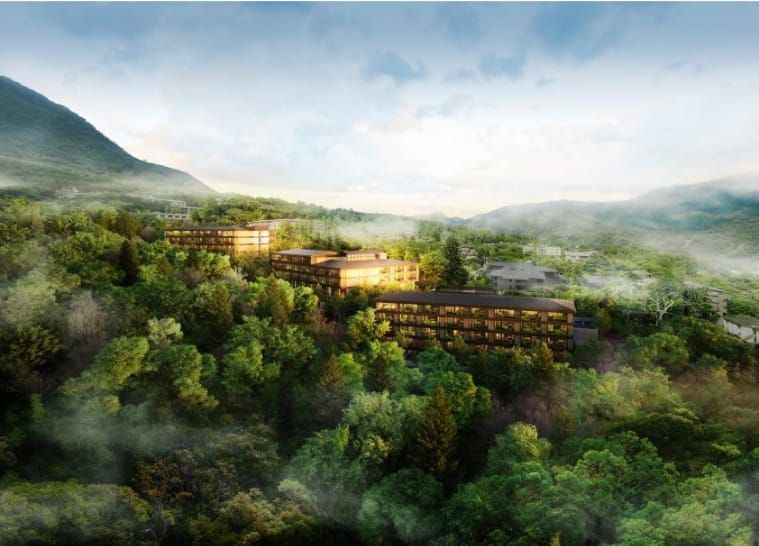
Hilton’s planned luxury hotel in Hakone is a relatively small project in room count, but it carries a larger message for investors.
The development, announced by Sankei Building, Haseko Real Estate and Hilton, will bring the LXR Hotels & Resorts brand to Gora in Hakone. On one level, this is a straightforward hotel story: 94 rooms, a premium positioning, and a 2028 opening target. But from an investment perspective, it is also another indication that global hospitality groups continue to see strong long-term potential in Japan’s higher-end resort and leisure markets.
That matters because Hakone is not an emerging ski market or a speculative frontier destination. It is one of Japan’s most established resort areas, with a long history of domestic demand, strong access from Tokyo and a broad year-round tourism base. When an international group chooses to enter a place like Hakone with a luxury brand, it suggests confidence not just in visitor numbers, but in the pricing power and durability of the destination itself.
The choice of Gora is also notable. This part of Hakone combines relative accessibility with the sort of natural and cultural setting that supports premium hospitality—onsen, greenery, museums, established sightseeing demand and a strong reputation among domestic and international travellers alike. In other words, it is a location where luxury branding can make sense without needing to invent a new destination story from scratch.
For real estate investors, that is usually an encouraging signal.
Branded hotel entries tend to matter because they raise expectations around design, service, positioning and the broader quality of the area. They can also help reinforce a destination’s international profile, which in turn can support surrounding accommodation, higher-end retail and wider investor interest. That does not mean every nearby property becomes more valuable overnight, but it does help confirm that the market is attracting institutional-grade attention.
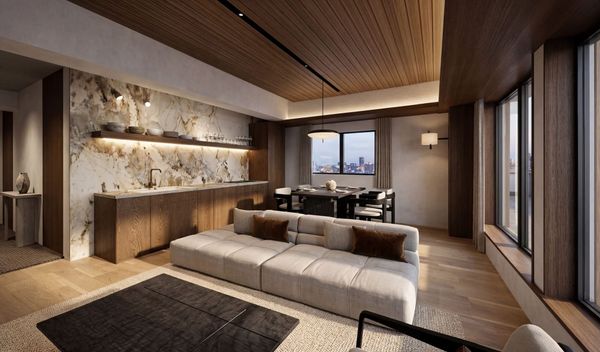
The details of the project reinforce that premium direction. The hotel is planned to include rooms of 50 square metres or more, all with open-air baths, as well as restaurant, lounge, public bath and spa facilities. There will also be some dog-friendly rooms, which reflects how luxury hospitality in Japan is increasingly broadening its offer beyond the most traditional formats. This is not mass-market accommodation; it is clearly aimed at higher-spending leisure demand.
What makes the story more interesting is what it says about wider resort capital flows in Japan.
Over the past several years, much of the conversation around resort real estate has centred on ski destinations such as Niseko and Hakuba. Those markets remain important, but projects like this are a reminder that investor confidence in Japan’s resort economy is broader than snow. Established hot spring and nature destinations with strong domestic fundamentals may not generate the same speculative excitement, but they often offer a more stable demand base and less seasonally concentrated trading pattern.
That is especially relevant in a period when investors are becoming more selective. In a more expensive global capital environment, destinations that already have deep domestic demand, clear brand identity and dependable access can look more attractive than places that rely heavily on future narrative.
Hakone fits that description well.
The more cautious interpretation, of course, is that one hotel does not transform a market on its own. Investors should avoid overstating the impact of individual hospitality announcements. The significance lies less in the size of the asset itself and more in what it reflects: that major global operators still view Japan’s resort and leisure sector as capable of supporting high-end branded product.
For Uchi Insights readers, that is probably the key takeaway. This is not just a new hotel in Hakone. It is another sign that capital continues to favour Japanese destinations with strong fundamentals, recognisable identity and year-round appeal. In that sense, the Hakone story is not only about one town—it is part of a broader read on where confidence in Japan’s resort market remains strongest.
Sources
R.E.port article, 24 April 2026 (Japanese only)