Niseko Annupuri’s new gondola is another sign Japan’s top resorts are upgrading fast
Niseko Annupuri’s planned gondola rebuild is not just about shorter lift lines—it is part of a broader pattern in which Japan’s leading resort markets are investing more heavily in capacity, experience and long-term competitiveness.

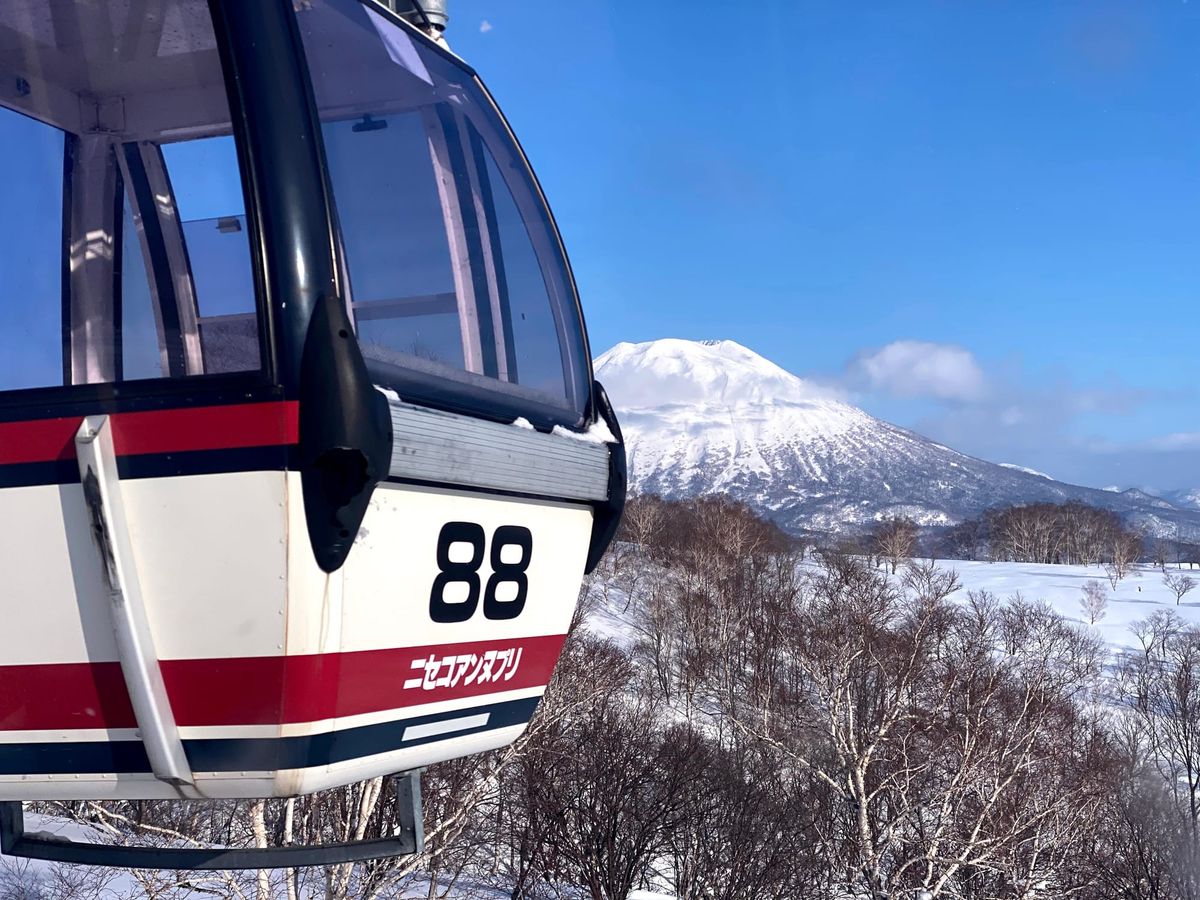
Niseko Annupuri’s planned gondola rebuild is easy to read as a practical lift upgrade. It is that—but it also says something broader about where Japan’s leading resort markets continue to be heading.
According to the announcement, the resort will fully rebuild its existing gondola and begin operating the new version from winter 2028. The current lift dates back to 1985, and the replacement will bring larger cabins, stronger wind performance, faster travel time and much higher carrying capacity. Capacity is set to increase from 1,440 passengers per hour to 2,800, while cabin size will rise from six passengers to ten.
On one level, this is simply a response to demand. Long waits of over 30 minutes had reportedly become common, and the older cabins no longer matched the needs of a more international, higher-volume visitor base. But for investors and market watchers, the more interesting point is that this is now part of a much wider pattern.
Across Japan’s top resort markets, lift infrastructure is no longer being treated as background maintenance. It is becoming a more visible part of the investment story.
Recent announcements at Niseko Village and Hakuba Happo-one point in the same direction: bigger gondolas, higher capacity, better guest flow and a resort experience designed for a broader audience than traditional skiers alone. In that sense, Annupuri’s new gondola is not just a local operational fix. It is another sign that leading Japanese mountain destinations are continuing to raise their infrastructure standard.
That matters because lift upgrades tend to do more than reduce queue times. Better capacity improves the flow of the day, helps resorts absorb peak demand, and supports the wider perception of quality that increasingly matters in globally competitive mountain markets. When paired with stronger hospitality, more polished base areas and more year-round ambition, upgraded mountain access becomes part of a larger re-rating story.
Annupuri’s project also reflects a shift in who resorts are being built for. The article notes that the old cabins were no longer well suited to current visitor profiles, including larger international guests. That may sound like a small detail, but it captures something important: Japan’s top ski resorts are no longer operating for a purely domestic market with legacy infrastructure assumptions. They are adapting to a broader, more international customer base with different expectations around comfort, efficiency and overall experience.
That does not mean every new gondola changes real estate values overnight. Investors still need to be careful not to overstate the direct impact of any one infrastructure project. Exact location, asset quality, access and management still matter far more than headlines alone.
But the direction is clearly positive.
When multiple resort areas are all investing in larger, faster and more modern lift systems, it suggests confidence in future demand and a willingness to compete at a higher standard. That is good for the resorts themselves, and generally constructive for the surrounding property markets that benefit from stronger destination appeal.
In that sense, Niseko Annupuri’s gondola upgrade is not just another lift story. It is part of a bigger theme: Japan’s best-known mountain resorts are becoming more capital-intensive, more polished and more serious about long-term competitiveness.