Niseko’s Stalled Projects Are Getting Second Chances
Fairmont’s revival of the former La Plume development shows how Niseko’s underlying strength can preserve value after a project fails, although Aruku-zaka and Niseko Hanazono Village underline how demanding delivery has become.

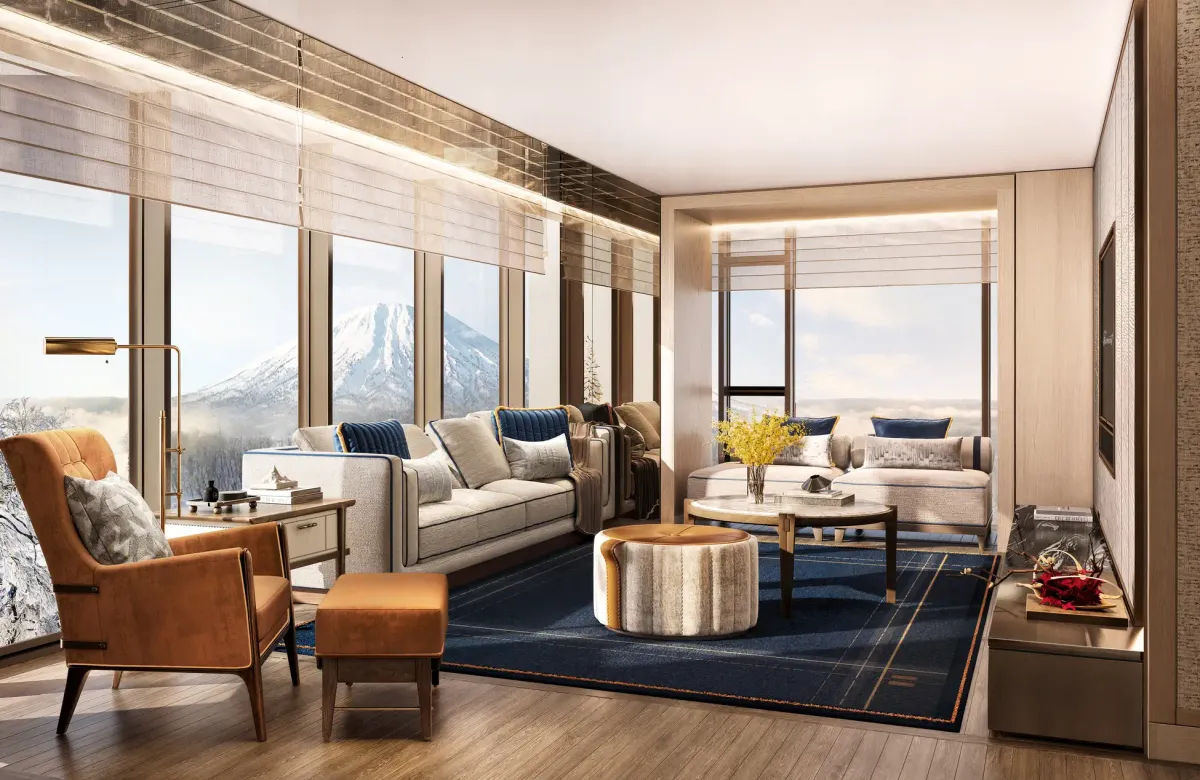
Fairmont Niseko could easily be seen as another international luxury hotel joining Japan’s best-known mountain destination. The more interesting story is that it represents the return of a project that had already failed.
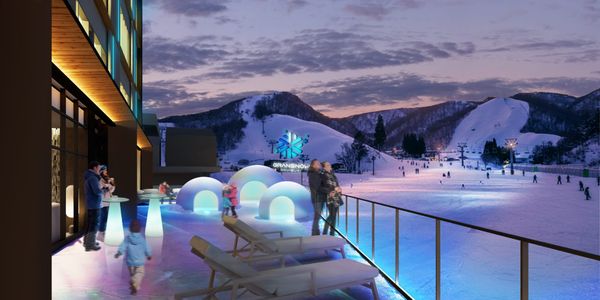
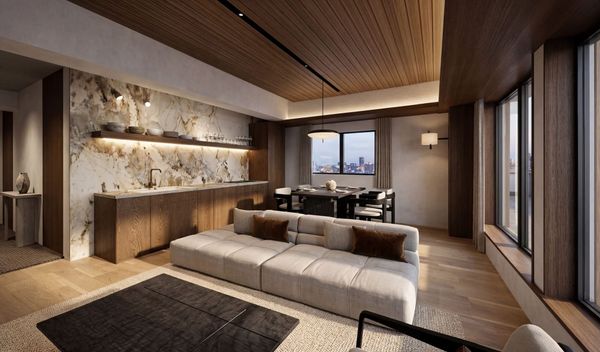
The planned 165-room Fairmont resort will occupy the site of the former New World La Plume Niseko Resort, where construction stopped before the project company entered bankruptcy proceedings in 2025. The unfinished property was subsequently acquired by a company established by J-Will Partners, which has now brought in Fairmont as operator and repositioned the development for a proposed early-2028 opening.
The developer failed. The site did not.
That distinction says something important about Niseko. A troubled project in a weaker destination might remain unfinished for years, lose much of its value or prove impossible to rescue. La Plume retained a prime forested site, views towards Mount Yotei, partially completed construction and access to an established international tourism market. Those underlying qualities were valuable enough to attract fresh capital and a new global hospitality brand.
The new plan is also clearly more than a simple change of name. La Plume’s original concept proposed 219 hotel-serviced residences and five villas. Fairmont Niseko is now planned as a 165-room resort with restaurants, onsen, wellness facilities and family amenities. The ownership, operator and product have all changed.
This is a vote of confidence in Niseko, but not evidence that every development in the area will succeed. The stronger conclusion is that Niseko’s brand can preserve the value of good sites even when the original project structure does not work.
A similar process is visible at Aruku-zaka Street in central Hirafu. Metropoly Holdings has announced that it is refreshing the masterplan rather than simply restarting the original pre-pandemic scheme. The revised layout is expected to reduce density while retaining the aim of creating a major retail and residential centre.
Metropoly says the review has considered new local regulations, changing construction conditions, tourism patterns, the property market and the needs of the community. Nikken Sekkei was engaged to prepare an updated concept design, with details of the refreshed masterplan due to be released later.
Again, the message is not that nothing has changed, rather that the project is being reshaped because almost everything has changed.
Construction costs are higher, labour and contractor capacity remain tight, development rules are more demanding and local authorities and residents are placing greater emphasis on density, infrastructure and the effect of large projects on the surrounding community. Buyers also expect better design, stronger management and a clearer long-term proposition.
In this environment, survival often requires more than patience. It may mean reducing density, changing the accommodation mix, introducing a stronger operator or accepting a longer timetable.
The uncertainty around Niseko Hanazono Village provides the other side of the story. The large development was due to include Capella-branded hotels and residences alongside villas, an onsen and other facilities, but work has recently been suspended amid reported payment and approval concerns.
It is too early to say what the final outcome will be, because obviously major resort projects can stop, restructure and restart, as the former La Plume site now demonstrates. But Niseko Hanazono Village is also a reminder that an exceptional destination and high-profile hospitality branding cannot remove the basic requirements of development. Financing must remain available, contractors must be paid, permissions must be maintained and construction must move forward.
This is where investors need to separate confidence in Niseko from confidence in an individual project. Niseko can continue attracting visitors, capital and international brands while particular developments struggle. The destination’s fundamentals may help preserve land and asset value, but each project still carries its own ownership, financing, planning and construction risks.
The current pipeline is therefore not simply booming or collapsing. It is being rewritten.
The former La Plume project is returning under new ownership and a new hotel brand, Aruku-zaka is being redesigned for a more mature and regulated market, whereas Niseko Hanazono Village faces renewed uncertainty. Other projects will go through the same selection process which is not necessarily negative for the wider market. It may favour credible sponsors, realistic budgets and projects that add something useful to the destination. It may also increase the appeal of finished, well-managed properties that do not expose buyers to construction and delivery risk.
Fairmont Niseko is encouraging because it shows that failure does not always destroy the underlying opportunity. Niseko’s strength gave a valuable site another chance. Now we look forward to the reboot being completed and opened in 2028.