Where Alterra Is Investing Over $350 Million USD
Alterra’s latest resort investment programme combines new terrain with the infrastructure needed to operate it. We examine the practical questions it raises for buyers assessing mountain property in Japan and further afield.

Alterra Mountain Company has announced more than US$350 million of investment for winter 2026/27, combining terrain expansion with work on the infrastructure that keeps its resorts operating. The programme, released on 9 September, offers a useful perspective for anyone assessing mountain property: some of the spending that supports a destination will barely feature in its sales brochures.
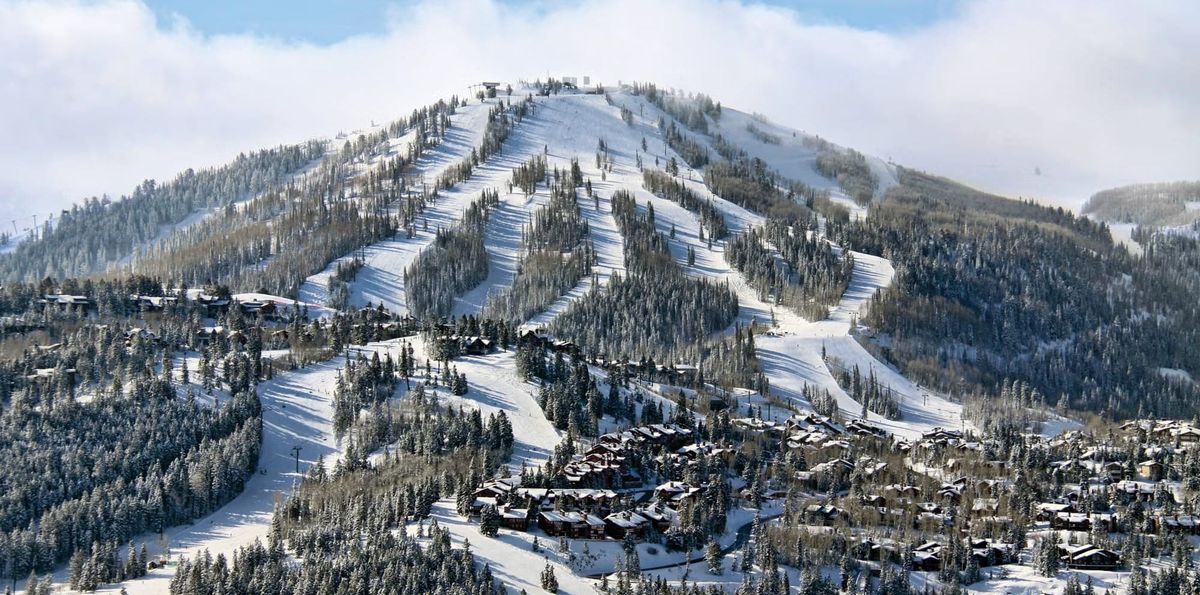
At Deer Valley in Utah, Hail Peak Express is due to add 200 skiable acres and seven runs this winter. It continues a broader expansion that has already more than doubled the resort’s terrain since December 2024. Deer Valley now expects to offer 4,500 acres for 2026/27, although the additional terrain is only one part of the development taking shape around its new East Village.
At Palisades Tahoe in California, US$3.2 million is going into remote avalanche-control equipment. The resort’s own update describes new systems that allow patrol teams to undertake mitigation work during heavy snowfall, strong winds and poor visibility while reducing their exposure to avalanche terrain. These are operational tools, with decisions about opening terrain still resting with the patrol team.
Palisades is also expanding snowmaking on Mountain Run, a principal route between the upper mountain and the base. Supporting that connection early in winter and later in spring is a practical improvement for visitors trying to use the resort as a connected ski area. Its value depends on what it delivers during the season, which will need to be assessed after installation.
We hope you are enjoying this free article and please continue reading on below. Uchi Insights provides the latest market news from across Japan as well as global mountain resorts, most of it for free.
But we'd love a little love!
If you want the latest data and deep-dive reports, you can access premium Uchi Insights covering pricing, sales, supply and market trends across Japan’s leading resort real estate destinations.
Twelve months of Premium access costs US$200—roughly the price of a good pair of gloves for that Japanese powder snow.
If you are buying, selling, investing or simply trying to understand where Japan’s resort property markets are moving, make sure you have the same data and analysis at your fingertips.
Don’t be the one wondering what everyone else knows.
Employee accommodation features too, including housing renovations across five resorts, new development at Palisades Tahoe and a property acquisition at Sugarbush. For a destination selling high service standards, the availability of somewhere for employees to live belongs in the investment discussion alongside guest accommodation. Expanding visitor capacity creates operating demands that have to be met throughout the season.
The connection to property is particularly visible at Deer Valley East Village, whose long-term plans include nearly 1,700 residences and 800 hotel rooms. Those figures describe the village upon completion, rather than accommodation arriving this winter, and should be kept separate from Alterra’s latest capital programme. They also illustrate why additional terrain, access and services need to be assessed together when a new resort neighbourhood is being developed.
For buyers considering Japan’s mountain destinations, the useful comparison is how the resort intends to support the property being sold. A new apartment’s access to skiing depends on operating infrastructure beyond its boundary, while a hotel’s service proposition depends partly on its ability to recruit and accommodate staff. Buyers can reasonably ask which supporting projects are funded, who is responsible for delivery and when they are expected to become usable.
The announcement supplies no basis for forecasting a rise in neighbouring home prices. For property assessment, the next evidence to look for is completed infrastructure and its operating performance, alongside changes in accommodation supply and actual demand.