Japan’s Next Development Cycle Is About More Than Building Bigger
From Aruku-zaka Street in Hirafu to Capella Tokyo in Nishi-Azabu, Japan’s next major developments are increasingly being shaped by service, design, density, execution risk and the need to fit more carefully into the places around them.

Japan’s major development cycle is changing once again. For much of the past decade, the easiest way to read real estate momentum was through scale. Bigger towers, larger hotels, more units, deeper mixed-use schemes and more international brands all pointed to a market attracting capital and confidence. That still matters, but it is no longer the whole story. As construction costs rise, local regulation tightens and buyers become more selective, the next generation of major projects will need to prove more than ambition. They will need to show that they can be built, operated, absorbed and supported by the communities and markets around them.
Two very different projects help make the point.
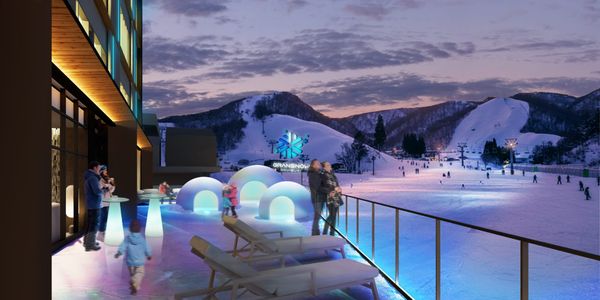
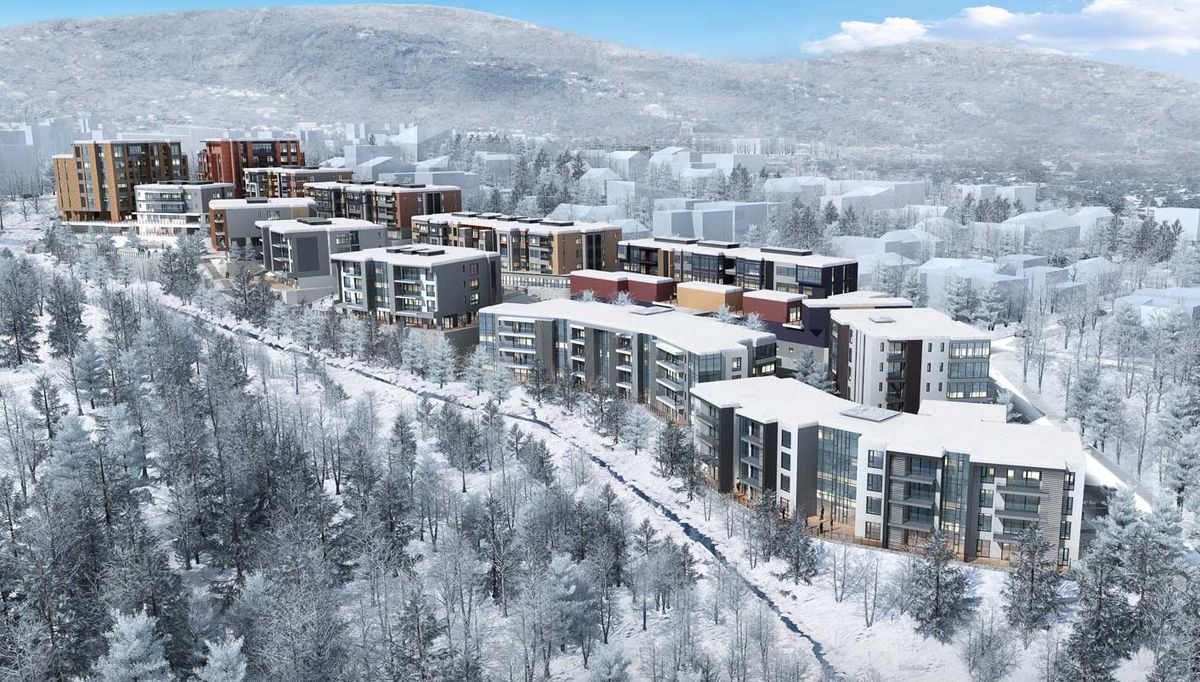
In Niseko-Hirafu, Metropoly Holdings has announced a refreshed masterplan for Aruku-zaka Street, the long-planned mixed-use development intended to become a new retail and residential centre for Niseko. The company says the updated layout will seek to reduce density while retaining the original vision of a dynamic retail and residential experience. That language is important as it shows Aruku-zaka is not being presented simply as a restart of the previous plan, but as a project being adjusted for a different market environment.
That is not surprising given that Aruku-zaka was originally conceived before the pandemic, when Niseko’s development assumptions were different. Since then, the market has changed sharply. International travel collapsed and then recovered, construction costs rose, and through it all Japan’s real estate market strengthened. Local building regulations in Niseko changed, Hirafu itself became more mature, more expensive and more closely watched. In that context, a lower-density revised masterplan is not a retreat from the original concept so much as a recognition that the next phase of resort development needs to be more carefully calibrated.
The involvement of Nikken Sekkei, which Metropoly engaged in spring 2024 to prepare an updated Concept Design Report, also points to that shift. Large projects in places like Hirafu can no longer rely only on location and scarcity. They need to address how visitors move through the village, how retail and restaurants can work beyond peak winter, how accommodation connects with public space, and how a major development sits inside a community already dealing with infrastructure pressure, high prices and questions over long-term balance.
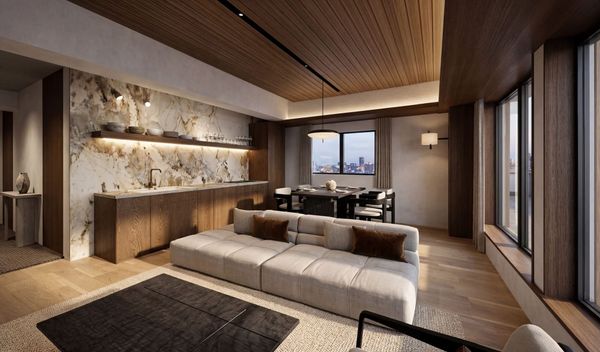
In Tokyo, Capella Tokyo tells a different version of the same story. Planned for the Nishi-Azabu 3-Chome North-East District redevelopment, the hotel is scheduled to open in 2030 inside a 54-storey mixed-use tower. The hotel will include 86 rooms, while the wider development is expected to contain around 500 residences supported by hotel-linked services. This is not only a luxury hotel announcement, it is a clear example of hospitality being used as part of the residential and redevelopment value proposition.
That matters because the hotel brand is not just filling rooms, rather it is helping define the identity of the building, the quality of service, and the lifestyle being sold to residents. In central Tokyo, where land is scarce and redevelopment is complex, that kind of integration can become a powerful tool. A luxury hotel gives the project international recognition and service depth, while residences benefit from the credibility and operating platform of the hospitality brand. The result is not a conventional hotel beside conventional apartments, but a more layered form of real estate where service becomes part of the asset.
The settings could hardly be more different given that Hirafu is a mountain resort village still working out how to mature without losing its character, whereas Nishi-Azabu is one of Tokyo’s most valuable urban districts, sitting between Roppongi, Hiroo, Azabu and Aoyama. Yet the same underlying theme runs through both projects. In Japan’s next development cycle, real estate value is increasingly being created by the relationship between buildings, services and place.
Implications for Investors
In resort markets, the question is no longer only whether there is enough demand for more beds or more units. Niseko has already proved global demand. and the likes of Hakuba, Furano and other markets are also attracting more serious attention. The harder question is whether new projects improve the destination enough to justify their scale. Do they add useful commercial depth, help create year-round activity, improve walkability, service quality or public space? Do they actually relieve pressure or instead add to it? These are not soft questions because they increasingly affect whether a project will be welcomed, used and valued over time.
In urban markets, the issue is slightly different but related. Tokyo can support extraordinary density, but the most successful premium projects are increasingly about what sits around the floor area: hospitality, retail, design, public realm, wellness, brand, service and district identity. Capella Tokyo fits that pattern because it suggests that high-end redevelopment is becoming less about a building as a container and more about a managed experience that blends hotel, residence and neighbourhood.
This does not mean smaller is always better, or that branded hospitality is automatically valuable. A lower-density masterplan can still fail if execution is weak. A luxury hotel brand can still disappoint if the service, pricing or surrounding district does not support it, but the direction of travel is clear. The market is becoming more selective, and the old assumption that scale alone creates value is becoming less convincing.
Construction conditions reinforce that point. Rising costs and pressure on contractors make large projects harder to deliver. Tighter local rules make planning and community engagement more important. Buyers, especially at the upper end of the market, have more choice and higher expectations. In that environment, projects that are realistic, well-capitalised and carefully designed should be better placed than projects that simply try to maximise volume.
Aruku-zaka and Capella Tokyo are therefore useful signals, even though they sit in very different markets. One is a resort project being remastered after a long delay and the other is a Tokyo luxury hotel entering a high-value redevelopment scheme. Both suggest that Japan’s next development cycle will be less forgiving, but potentially more sophisticated.
For Uchi Insights readers, that may be the most useful takeaway. Japan still has strong real estate stories: inbound tourism, lifestyle migration, luxury hospitality, resort demand, urban redevelopment and global capital interest. But the strongest projects are likely to be those that understand the market has matured. They will need to be more than large, they will need to be buildable, service-led, locally credible and capable of adding something meaningful to the places they occupy.
The next cycle is not just about building more, it is about building better and thereby proving why each project deserves to exist.
Sources
Metropoly Holdings press release, 17 July 2026.
Nomura Real Estate announcement on Capella Tokyo and the Nishi-Azabu 3-Chome North-East District redevelopment.
R.E.port coverage of Capella Tokyo.