Hakuba Happo-one’s new gondola could reshape the village around it
Happo-one’s planned new gondola and base-area upgrade look like more than a lift replacement—they point to the kind of infrastructure investment that can gradually reprice the most strategic parts of Hakuba.

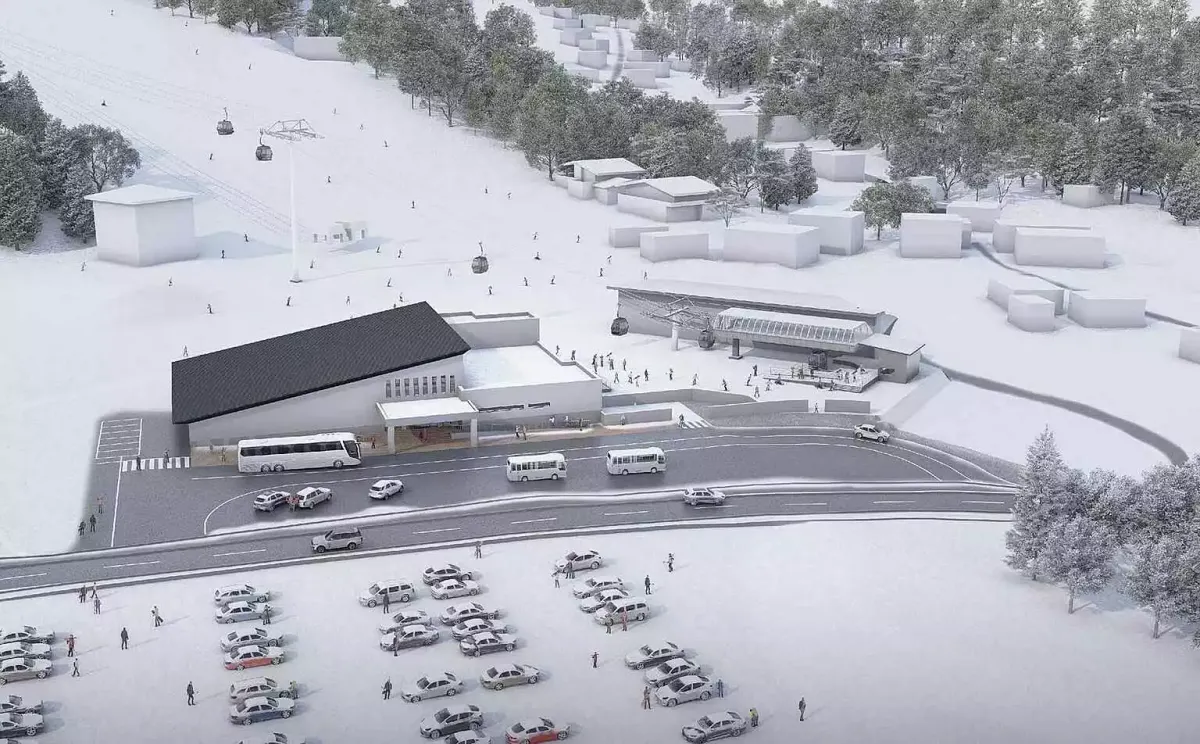
Hakuba Happo-one’s planned new gondola, due to open in December 2027, is easy to read as a ski-resort infrastructure story. It is that—but it is also more than that.
For property investors, the more important point is that this kind of project can change how value is distributed around a resort. Better access, smoother guest flow, improved arrival experience and a more coherent base area do not just make skiing more convenient. Over time, they can strengthen the commercial logic of nearby accommodation, reshape where footfall concentrates, and increase the premium attached to the best-positioned sites.
That is why this announcement matters.
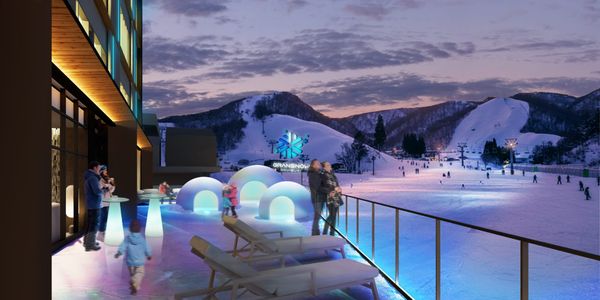
According to Happo-one’s project outline, the investment is not limited to replacing the ageing Adam gondola. It also includes a substantial rethink of the Namakiyama base area, with a new centre house, improved parking and a more integrated gateway designed to support both winter and green-season visitors. Seen together, that is not a maintenance project. It is a strategic upgrade to one of Hakuba’s most important resort entry points.
In resort markets, these details matter more than they first appear. Investors often talk about ski-in ski-out access, lift proximity and mountain views, but the quality of the broader resort system is just as important. A destination becomes more investable when it handles guests more smoothly, feels more deliberate on arrival, and gives operators better infrastructure around transport, ticketing, rentals, schools, food and information. That is where pricing power often becomes more durable.
Happo-one has long had the natural assets and international recognition. What it has not always had is infrastructure that feels fully aligned with its global standing. Parts of Hakuba remain charming precisely because they are not overplanned, but charm and friction are not the same thing. A resort can retain character while still improving how people move through it, how they access the mountain and how the first impression of the base area supports the wider destination.
This project appears aimed squarely at that problem.
The specifications are also meaningful. The new gondola is planned to run from Namakiyama to Usagidaira, with line length of 2,180 metres and vertical rise of 652 metres. Speed is set to increase from 4 metres per second to 6, while capacity rises from 1,350 people per hour to 2,400. The operator has also highlighted improved wind resilience, shorter maintenance periods and the potential for more operating days across the year. That last point is especially important: when infrastructure supports more reliable operation, it benefits not just skiers but the broader economics of the resort.
For investors, that should sharpen attention on the immediate catchment around Happo rather than simply “Hakuba” in general.
One of the easiest mistakes in the valley is to treat Hakuba as a single market. It is not. Different zones benefit from different infrastructure, different guest patterns and different styles of demand. A major upgrade at Happo-one is most likely to benefit the locations that are functionally tied to it—areas where guest convenience, walkability, transport flow and operational quality are already central to performance. Prime stock near the lifts, well-managed accommodation and development sites with genuine connectivity to the upgraded gateway may all stand to gain more than secondary locations that happen to sit somewhere in the wider valley.
That does not mean every nearby property should suddenly command a premium. Infrastructure narratives often run ahead of reality. Projects can slip, cost more than expected, or take time to translate into actual occupancy and pricing uplift. There is also a tendency in resort markets for owners to overestimate how much benefit flows to ageing stock simply because something high-profile is happening nearby. In practice, the uplift is usually selective. Quality still matters. Management still matters. Exact position still matters.
Even so, the direction of travel is clear.
The Happo-one gondola project sits within a broader pattern now visible across Hakuba: more serious infrastructure planning, more branded hospitality interest and a growing effort to present the valley as a higher-grade international mountain destination. That does not make Hakuba identical to Niseko, and it probably should not. But it does suggest that investors can no longer view Happo simply as a famous ski area with old infrastructure and strong snow. It is increasingly becoming a place where capital is trying to improve the total resort proposition.
That has implications for land values.
In mountain destinations, the strongest repricing often occurs not when a market first becomes popular, but when infrastructure starts catching up with demand. Before that point, pricing is often driven by lifestyle appeal, scarcity and momentum. After that point, it starts to be reinforced by better operations, more predictable guest experience and stronger confidence that the destination is moving in a clear long-term direction. Happo-one’s project looks like one of those reinforcing moments.
The green-season component should not be overlooked either. The operator has explicitly positioned the investment as part of an all-season strategy, not just a winter one. That matters because year-round relevance is becoming increasingly important in Japanese resort real estate. Investors are generally more comfortable paying up for locations that are not wholly dependent on a short winter peak. If better infrastructure helps support summer sightseeing, hiking and broader visitor activity, that improves the long-term case for surrounding accommodation and commercial uses.
So the new gondola matters for obvious reasons. It should make the mountain work better. But its wider significance is that it may help certain parts of Happo work better as real estate.
That is the sharper takeaway. This is not just a lift story. It is part of the slow conversion of Hakuba from a naturally attractive ski destination into a more capitalised, better-organised and more internationally competitive resort market. If that process continues, the biggest winners are unlikely to be “Hakuba” in the abstract. They will be the assets that sit in the right place, with the right quality, at the right point in that upgrade cycle.