Why history still drives Tokyo’s ultra-prime property values
In Tokyo’s top residential districts, value is shaped by more than design, convenience or even rarity of supply. Some of the city’s most enduring premiums are rooted in something much older—the historic geography of power, status and legacy.

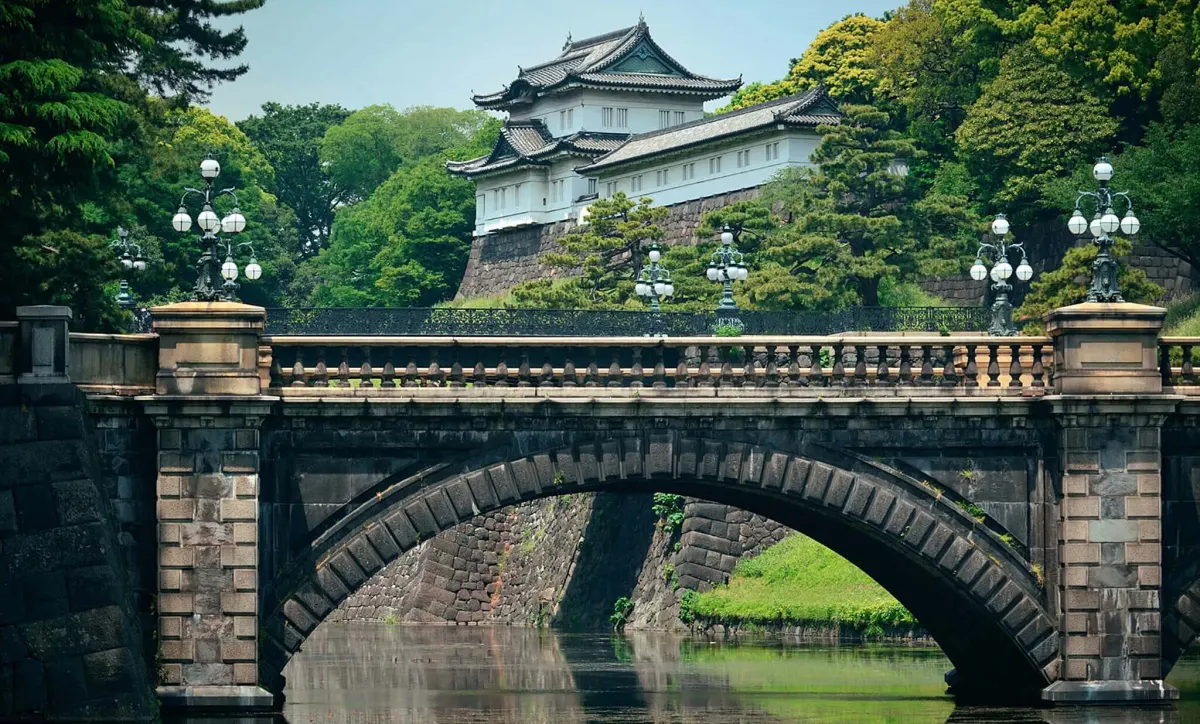
When discussing ultra-prime real estate in Tokyo, it is easy to focus on the visible markers of luxury—architecture, interiors, concierge services, branded residences and location. Yet at the highest end of the market, these are increasingly just the starting point.
For a certain class of buyer, what matters just as much is whether a property sits within a location that carries genuine historical weight. In Tokyo, that often means neighbourhoods whose prestige was established centuries ago and has never entirely faded.
Sunny Chen, Head of the Tokyo Office for H2 Christie’s International Real Estate, points to this as one of the defining characteristics of the capital’s top-tier housing market. In his view, some of Tokyo’s most valuable residential areas continue to command a premium not simply because they are central or exclusive today, but because they occupy land long associated with political power, social hierarchy and inherited status.
That distinction matters.
Unlike amenities, branding or even architectural style, historic provenance cannot be manufactured. A developer can build a new luxury residence, but cannot create a 400-year legacy for its setting. In a global market where many prime districts compete on polish and presentation, Tokyo offers something more difficult to replicate: neighbourhoods whose desirability is deeply tied to the city’s feudal and political history.
This is especially clear when looking at the map of Edo, the city that later became modern Tokyo. Following the establishment of the Tokugawa shogunate in 1603, land around Edo Castle was allocated according to rank and function. The most secure, strategically advantageous and elevated sites were reserved for powerful daimyo and direct retainers of the shogun. These patterns of land use were not arbitrary. They reflected authority, defence, access and hierarchy.
Even after the Meiji Restoration, many of these same districts retained their elite character, passing into the hands of diplomats, officials and wealthy merchant families. Over time, the architecture may have changed, but the status of the land often remained.
One way to understand this is through the idea of temporal scarcity. In simple terms, some locations are valuable because their significance has been accumulated over time and cannot be recreated. Buyers in this segment are not only purchasing square metres or finishes. They are, in effect, buying into a lineage of place.
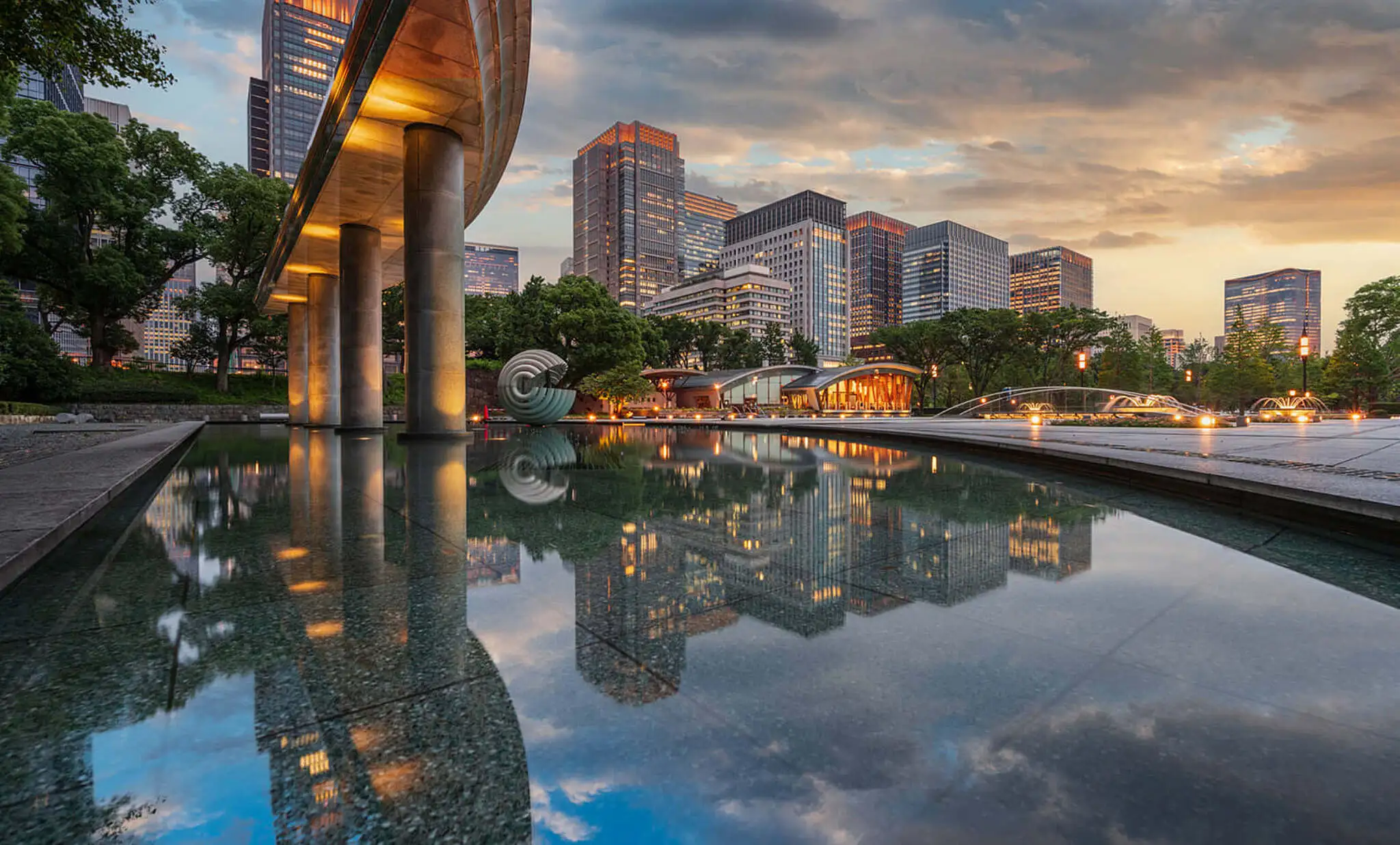
Bancho in Chiyoda ward is one of the clearest examples.
Today, Bancho is one of Tokyo’s most refined and discreet residential districts. It is calm, green and notably understated for such a central location. But its prestige is rooted in its historic role as a district for the Hatamoto, the high-ranking samurai retainers tasked with protecting the shogun. That role placed Bancho close to the centre of power, and the area has retained an unusual sense of formality and quiet confidence ever since.
For modern buyers, Bancho offers something rare in a major global capital: proximity to the Imperial Palace and central Tokyo, combined with privacy, restraint and a deep sense of continuity. It is not a neighbourhood that announces itself loudly. Its appeal lies in the fact that it does not need to.
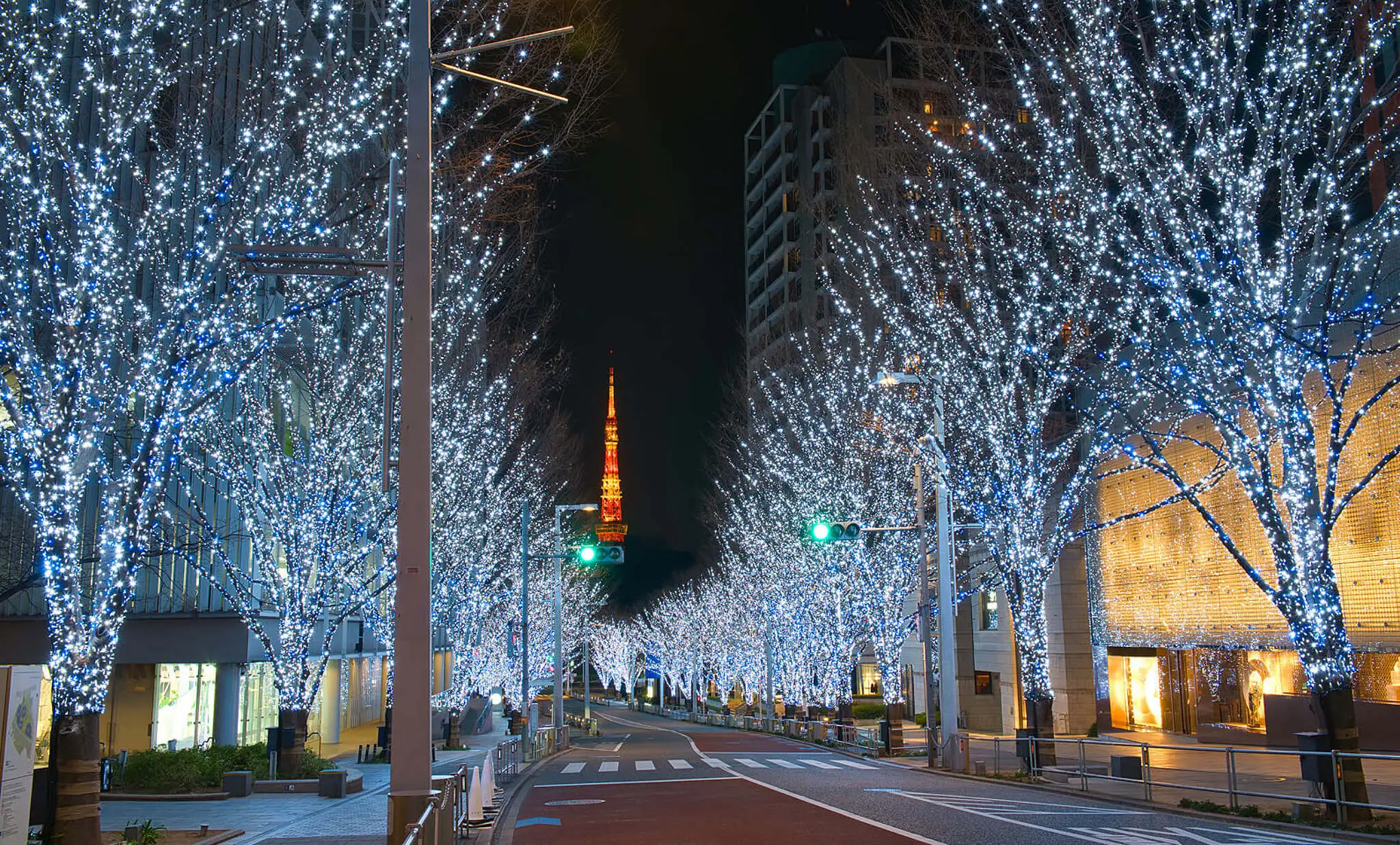
Minato ward tells a related, though slightly different, story.
Areas such as Azabu and Akasaka are now firmly established as part of Tokyo’s international luxury landscape. They are well known for embassies, executive residences, high-end dining and global connectivity. Yet their modern profile is also closely tied to their Edo-period origins.
The elevated hills of Minato were historically selected for the residences of powerful daimyo, offering security, air flow, privacy and strategic advantage. Those same qualities continue to hold value today. Higher ground in Tokyo is still associated with exclusivity, resilience and separation from the city’s busiest zones. In addition, these districts developed strong cultural and diplomatic importance over time, with major shrines, temples and later foreign legations helping shape their identity.
That combination—historic prestige layered with modern global relevance—helps explain Minato’s enduring appeal. Buyers are not choosing between old Tokyo and international Tokyo. In many cases, they are seeking precisely the blend of the two.
For investors and market observers, the broader point is clear. Tokyo’s prime residential values are not only supported by scarcity of supply or construction quality. They are also reinforced by a much deeper framework of historical geography. Some of the city’s most expensive addresses have remained desirable because the logic behind their original status has continued to resonate across generations.
This does not mean history alone determines value. But in Tokyo, it remains an unusually powerful component of how premium districts are understood, marketed and prized.
In a world where luxury real estate is often defined by what is new, Tokyo’s most compelling story may lie in what cannot be repeated.
Visit H2 Christie's International Real Estate for Tokyo listings.