Myoko’s turning point: can major capital reshape a once-sleepy resort market?
Myoko is no longer just a lower-profile alternative to Hakuba or Niseko—the combination of Patience Capital’s planned resort investment, global hotel branding and improving access visibility suggests the market is entering a more serious, but also more delicate, phase.

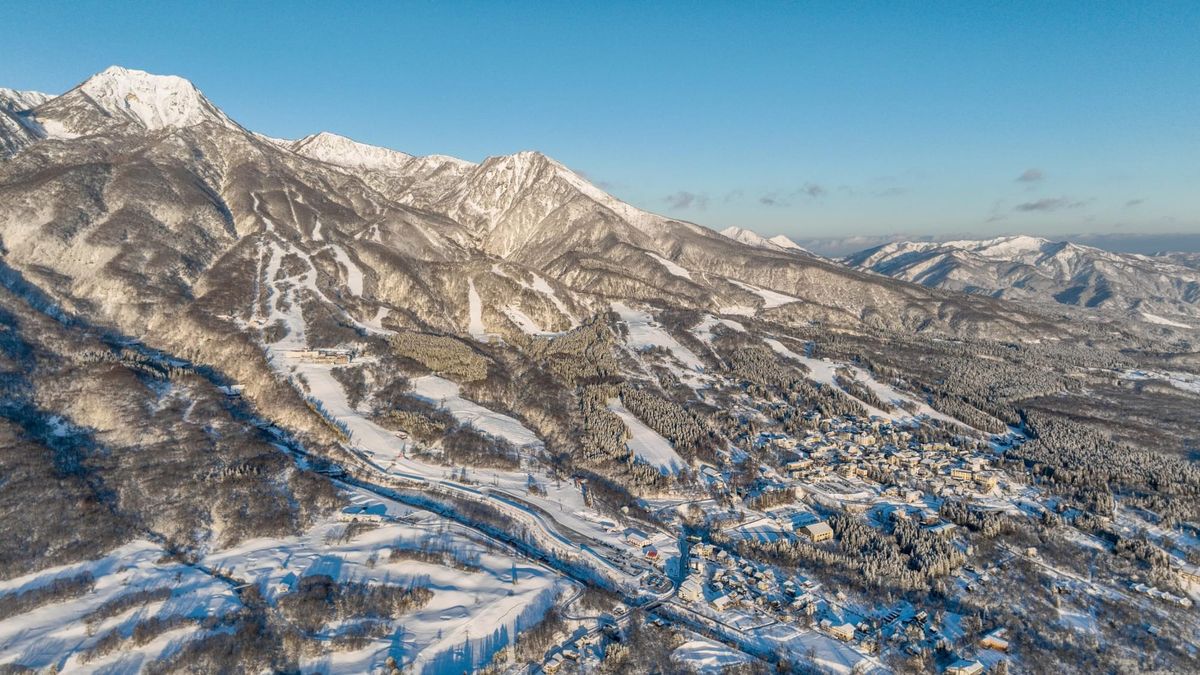
For years, Myoko occupied an unusual position in Japan’s resort property landscape. It had the ingredients investors like to see—deep snow, historic onsen villages, relative proximity to Tokyo and a land market that still looked undercapitalised—but it lacked the level of infrastructure, branding and coordinated development that tends to push a ski destination into the next tier.
That may now be changing.
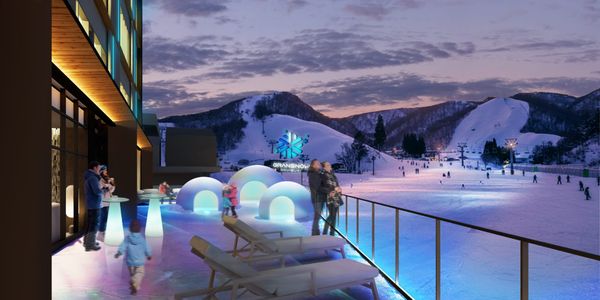
The clearest driver is Patience Capital Group’s proposed large-scale development across the Myoko Kogen area, anchored by Six Senses Myoko and supported by a broader multi-phase resort vision. On paper, this is the sort of commitment that can alter the trajectory of an entire mountain market. Not because one hotel changes everything on its own, but because institutional capital at this scale tends to bring other things with it: improved visibility, higher design expectations, more disciplined place-making, and eventually a repricing of land around the strongest nodes.
For investors, though, the real question is not whether Myoko is “up-and-coming”. That phrase is too easy, and often too late. The more useful question is what kind of market Myoko is becoming—and whether that shift will be broad-based or highly selective.
At the moment, the evidence points to selectivity.
Patience Capital’s plans are significant partly because they arrive in a market that has long lacked a single, coherent redevelopment narrative. Niseko has had one for years. Hakuba is increasingly building one. Myoko, by contrast, has often felt fragmented: strong terrain, pockets of charm, but a less consistent relationship between ski product, village experience, transport convenience and institutional hospitality. If the planned resort investment is delivered at anything close to the level proposed, that fragmentation may begin to narrow—but it will not disappear overnight.
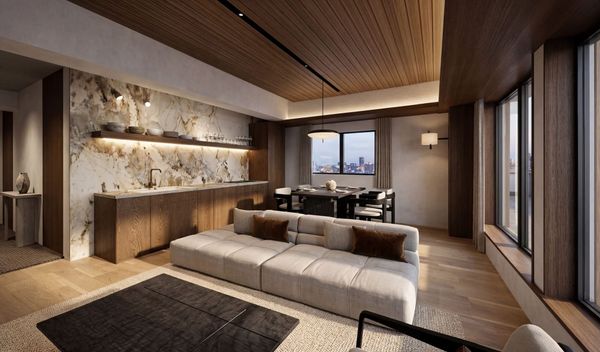
The Six Senses flag matters in that context. A global luxury wellness brand entering Myoko does more than create rooms. It changes how outside capital perceives the destination. It signals that Myoko can support not just ski tourism, but a more premium four-season positioning built around nature, design, wellbeing and longer-stay demand. That is particularly important because Myoko’s long-term upside probably does not lie in becoming a mass-market winter resort. It lies in becoming a better-curated year-round mountain destination with enough hospitality depth to support higher spending and stronger pricing.
That is the bullish case.
The more cautious view is that large masterplan ambitions in secondary resort markets often take longer to convert into durable real estate performance than investors expect. Announcements can arrive before roads, staffing, public realm improvements and supporting amenities are truly ready. A branded hotel can create attention well before the surrounding district feels coherent. In that sense, Myoko today may be investable in principle—but not yet uniformly investable in practice.
Transport is a good example of that tension.
Myoko’s accessibility is better than some overseas investors assume. Joetsumyoko Station on the Hokuriku Shinkansen puts the area within relatively easy reach of Tokyo, while airport and local shuttle systems continue to improve the practical journey into resort areas such as Akakura and Suginohara. That is helpful, and it matters. Good resort markets are not built only on ski quality; they are built on the ease with which visitors can arrive, circulate and return. Even relatively modest transport improvements can have an outsized impact on perception.
But it is also worth being honest about the limits of the current transport story. Myoko’s access narrative remains functional rather than transformative. This is not yet a market being re-rated by a brand-new high-capacity lift network, a major station-front reinvention or a dramatic new airport connection. The improvement is more incremental: better visibility, clearer shuttle systems, stronger station connectivity and a broader ecosystem of transport services around an area that was previously less legible to international visitors.
For investors, that distinction is important. It suggests Myoko’s repricing—where it happens—will probably be driven first by confidence and branding, then by selective improvements in usability, and only later by a more complete infrastructural rework if that follows.
That is why submarket analysis matters so much here.
“Myoko” is not a single investment zone. Akakura, Suginohara, Ikenotaira and the wider Kogen area each have different strengths, constraints and likely trajectories. Suginohara appears especially important because it is tied more directly to the headline development story. Akakura, meanwhile, may benefit from renewed attention and rising land values, but it also faces the classic risks of a resort village under pressure: uneven quality, seasonal dormancy, ageing stock, and the danger that speculative enthusiasm outpaces actual operational improvement.
There is also the community question, which should not be ignored. Local concern about overdevelopment, rising prices and the loss of cultural character is not just political background noise. It matters for investors because it can influence planning responses, development controls and the local social licence that major projects need in order to succeed over time. Myoko City has already signalled that larger-scale developments may face tighter scrutiny in coming years. In practical terms, that may ultimately be healthy. Resort markets tend to perform best when growth is controlled enough to preserve the thing people came for in the first place.
So where does that leave the investment case?
The strongest argument for Myoko is that it still sits earlier in the resort-market maturation curve than Hakuba or Niseko, yet now has enough institutional attention to justify serious consideration. That combination—relative early-stage positioning with credible incoming capital—is rare. If Myoko’s resort vision is executed well, the best sites could look materially more valuable in five to ten years than they do today.
The strongest argument for caution is that the market may be tempted to price in the end-state too early. Large developments create momentum, but momentum alone does not guarantee smooth delivery, year-round demand or broad liquidity across all property types.
That probably makes Myoko one of the more interesting resort stories in Japan right now—not because it is simple, but because it is not. It is a market shifting from promise to proposition. The next few years should determine whether that proposition turns into a genuinely deeper mountain economy, or whether the narrative runs ahead of the fundamentals.
For investors, that means Myoko deserves attention—but not shortcuts.