Tokyo condo demand is softening—but prices have not turned yet
Greater Tokyo resale condo transactions slipped in April for the first time in 18 months, but rising prices and growing inventory suggest a market that is cooling in momentum rather than breaking outright.

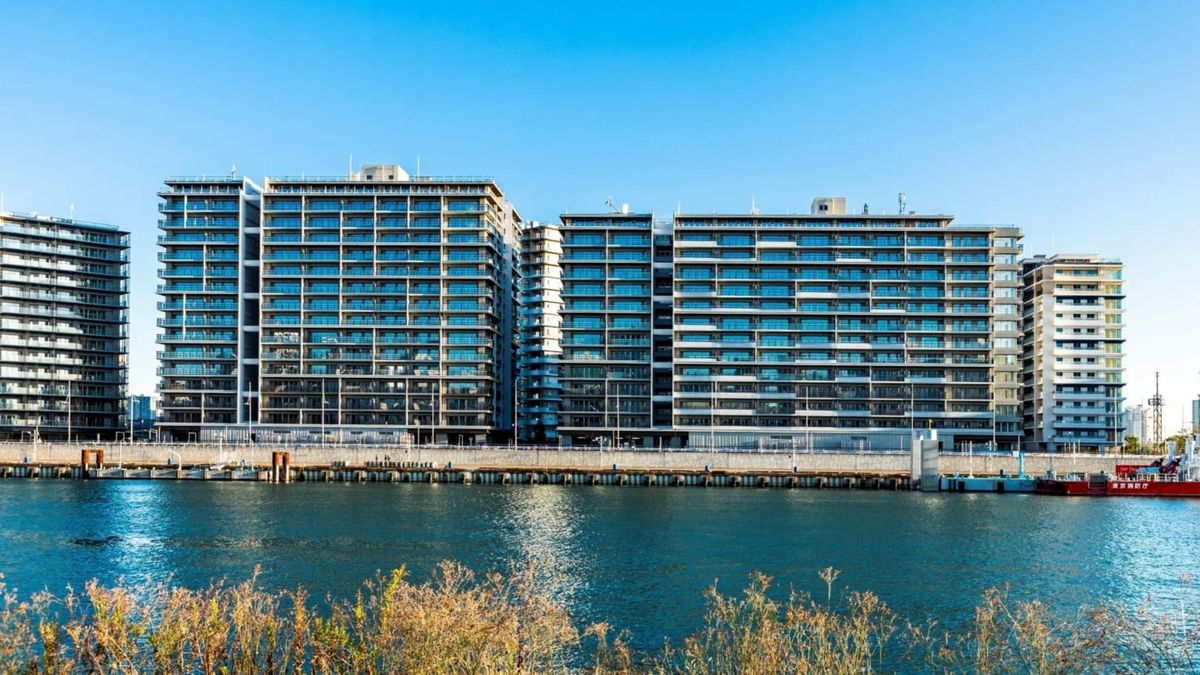
Greater Tokyo’s resale condo market showed one of its clearest signs yet that the easy momentum phase may be fading.
In April 2026, transactions across the wider capital region fell 1.2% year on year to 3,903 deals, marking the first annual decline in 18 months. On its own, that is not a dramatic correction. But it is notable because it comes after a long stretch in which transaction volumes had held up despite rising prices and worsening affordability.
The more interesting point is that pricing has not yet followed volume lower. Average transacted price per square metre still rose 5.9% year on year to ¥859,300, extending a 72-month run of annual increases. Average deal price also rose 5.4% to ¥53.21 million, even though both measures edged down slightly from March. In other words, demand is starting to soften—but not enough, at least yet, to reverse pricing.
Inventory adds another layer to the story. Listings in stock rose 2.7% year on year to 45,215 units, the second straight monthly increase. New listings also increased 1.6%. That does not point to oversupply, but it does suggest the market is becoming less tight than it was. Buyers appear to have a little more choice, and sellers may no longer be operating in the one-way environment that defined much of the previous run.
Tokyo itself was the weak spot. Transactions in the capital fell 6.7%, with the 23 wards down 9.0%. By contrast, activity was still rising in other parts of the region, including Tama, Kanagawa, Saitama and Chiba. That split is important. It suggests the slowdown is not a simple regional pullback, but more likely reflects pressure at the higher end of the market where prices have run furthest and affordability is most stretched.
At the same time, pricing remained strong almost everywhere. Tokyo’s average resale condo price per square metre rose 8.9%, while the 23 wards were up 10.1%. Kanagawa rose 10.8%, Chiba 5.7% and Saitama 4.0%. Even where deal volumes are becoming less convincing, sellers are still achieving materially higher prices than a year ago.
For investors, that combination usually points to a market in transition rather than a market in distress.
When transactions start to soften before prices do, it often means buyers are becoming more selective rather than disappearing altogether. Some are stepping back because borrowing costs are higher. Others may simply be resisting aggressive pricing. Either way, the data suggests that the market is becoming less momentum-driven and more discerning.
That matters because Greater Tokyo’s condo market has been one of the clearest symbols of Japan’s post-deflation property recovery. If even this market is beginning to lose a little speed, it says something broader about the cycle. Not that prices are about to fall sharply, but that liquidity and confidence may no longer be expanding as easily as they were.
There is also a useful contrast in the same report. While resale condo transactions dipped, existing detached-house transactions rose 3.5% and average house prices rose 9.8%. That suggests housing demand has not vanished—it may simply be shifting in form, with buyers reacting differently across product types and price points.
The practical takeaway is fairly straightforward. Greater Tokyo’s resale condo market still looks resilient, but it no longer looks effortless. Prices are still rising, but volumes are softer and inventory is building. That is often how a market starts to move from broad-based momentum into a more selective phase.
For investors, that does not mean the story has turned negative. It does mean the next phase may reward discipline more than speed.
Source: REINS report (Japanese only)