Greater Tokyo Condo Prices Cross ¥100 Million — But Buyers Are More Selective
The average price of a new condominium across Greater Tokyo has passed ¥100 million for the first time, although softer contract rates and rising inventory show that record pricing does not mean every project is selling easily.

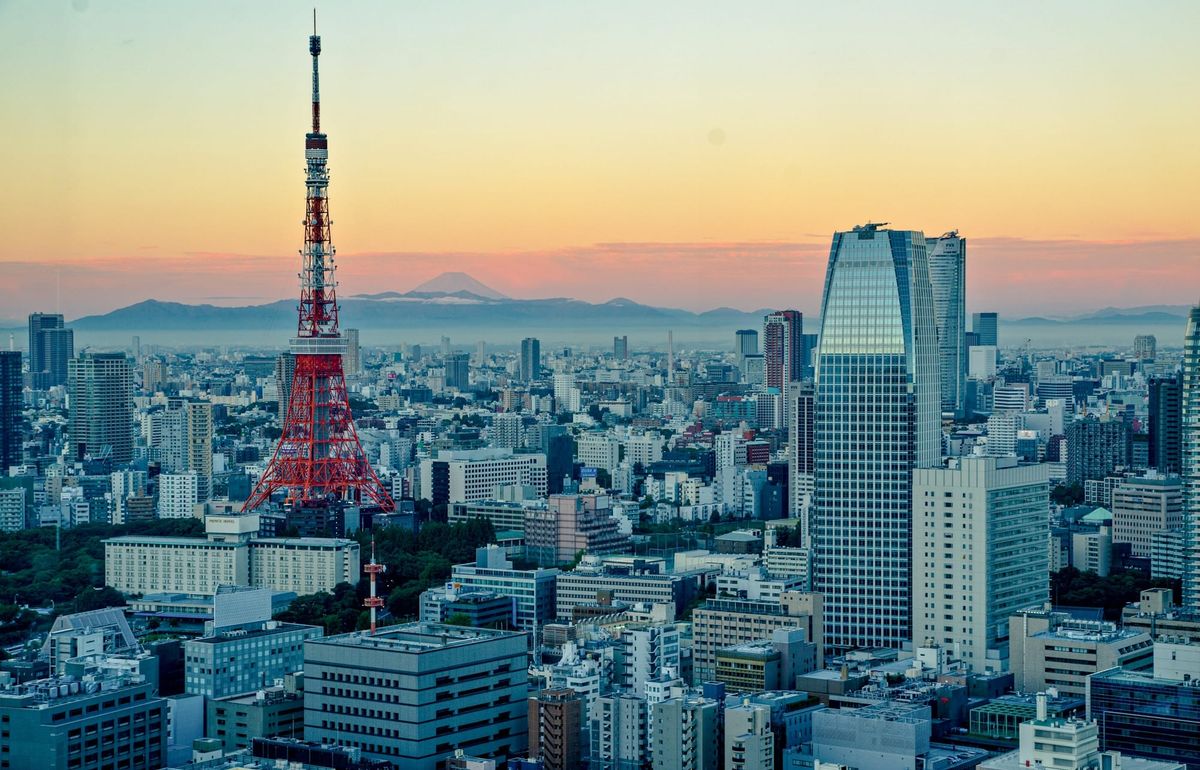
The average price of a new condominium across Greater Tokyo has passed ¥100 million for the first time.
New apartments released across Tokyo, Kanagawa, Saitama and Chiba during the first half of 2026 had an average price of ¥101.35 million, according to the Real Estate Economic Institute. That was 13.1% higher than a year earlier and a new record. The average price per square metre also reached a record ¥1.514 million, up 12.1%.
It is a striking milestone, but the headline should not be mistaken for evidence that the entire market is booming without resistance.
Only 7,989 units were released during the six months, down 0.8% from a year earlier. Although the decline was small, it marked the fifth consecutive first-half reduction and the third straight year in which supply remained below 10,000 units. New supply is therefore becoming both more limited and more expensive.
The initial contract rate also slipped to 64.8%, down 1.8 percentage points. Inventory at the end of June stood at 6,389 units, 363 more than a year earlier. Together, those figures suggest that developers are achieving higher headline prices, but buyers are becoming more selective about which properties justify them.
This is important because an average price of ¥100 million does not mean the typical Greater Tokyo apartment has suddenly become a ¥100 million property. The average is heavily influenced by the location, scale and quality of the projects released during each period.
The Tokyo 23 wards remained the most expensive market, with an average price of ¥142.49 million, up 9.1%. However, some of the largest increases occurred outside central Tokyo. Kanagawa rose 20.0% to ¥83.46 million, while Chiba jumped 56.8% to ¥89.97 million. The Institute attributed Chiba’s sharp increase partly to the release of high-rise projects in popular areas.
Saitama moved in the opposite direction, with its average price falling 1.3% to ¥64.69 million. The regional differences underline how strongly the headline figure can be shaped by the particular projects reaching the market rather than by uniform price growth across the capital region.
The broader direction is nevertheless clear. The new-build condominium market is moving further towards the upper end as land, labour and construction costs make lower-priced development increasingly difficult. Developers also have an incentive to concentrate on projects and locations capable of supporting higher margins when the total number of homes being delivered is constrained.
That can create an unusual market in which prices continue to rise even as sales momentum becomes less convincing. Limited supply and expensive replacement costs help support asking prices, while affordability places a growing limit on the number of households able or willing to buy.
The rise in fixed-term land lease projects offers another sign of how developers are adapting. Supply of leasehold condominiums reached 886 units in the first half, up from 634 a year earlier, and could exceed 2,000 units for the full year. Separating the building from full ownership of the underlying land can reduce the initial purchase price, although buyers must also weigh the lease conditions and long-term resale implications.
The Institute expects approximately 14,000 units to be released in the second half of 2026, taking full-year supply to around 22,000 units—little changed from 2025. Major projects planned in the Tokyo wards and Chiba could again have a meaningful effect on both average prices and sales performance.
For investors, the ¥100 million milestone is less useful as proof of an uninterrupted boom than as evidence of a market becoming increasingly divided.
Well-located, distinctive and high-quality projects can still command exceptional prices. Existing properties may also benefit from the rising cost of replacing them with comparable new stock. But the weaker contract rate shows that buyers are not accepting higher pricing indiscriminately.
Greater Tokyo’s new condominium market is becoming more expensive, but also more selective. That distinction is likely to become increasingly important as record construction costs, constrained supply and affordability pressures continue to shape the market.
Sources
Real Estate Economic Institute, Greater Tokyo New Condominium Market Trends: First Half of 2026, 21 July 2026.
R.E.port, Greater Tokyo New Condominium Average Exceeds ¥100 Million for the First Time, 21 July 2026.