Niseko Realty Expands With Hakuba Real Estate Acquisition
Niseko Realty has entered a new phase of growth with the acquisition of Hakuba Real Estate, bringing both brands under one ownership structure

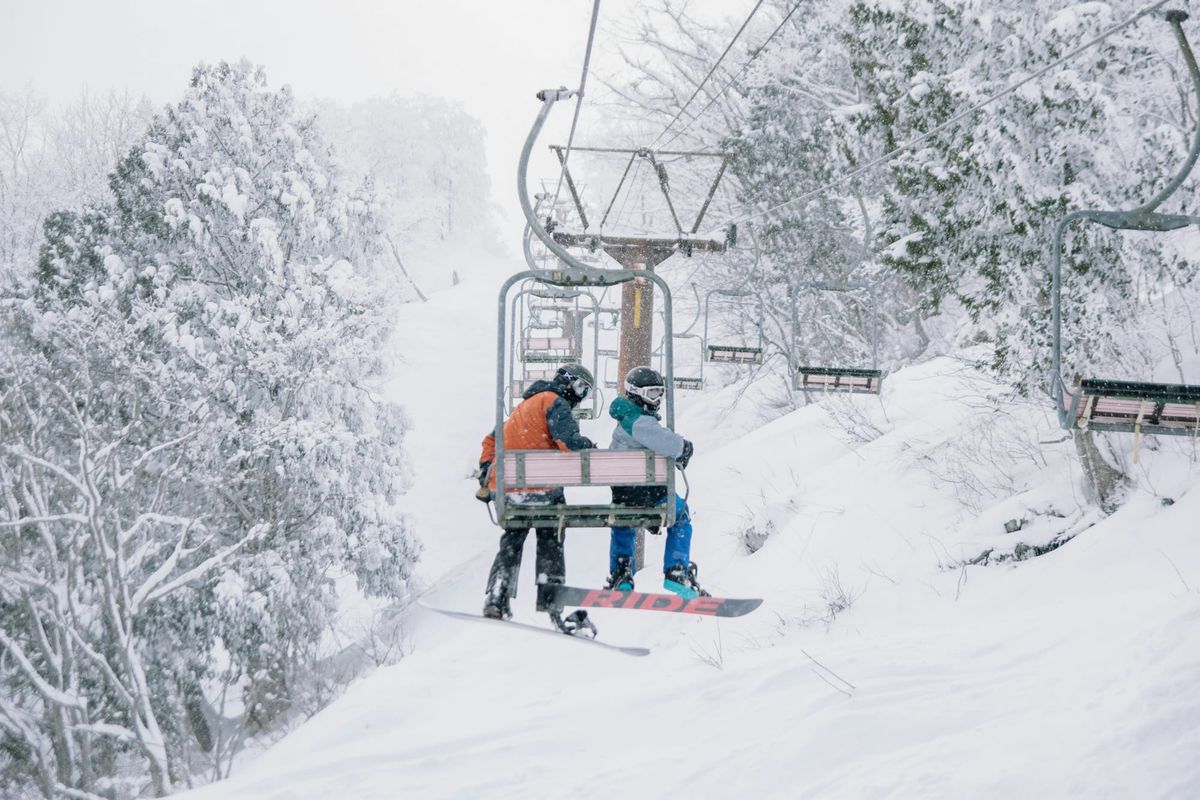
Niseko Realty and Hakuba Real Estate have shared a major company update, with Niseko Realty’s acquisition of Hakuba Real Estate, a new Hirafu office, and refreshed websites. We also asked owner Craig Meikle for his latest view on market conditions in Niseko and Hakuba.
A new chapter for Niseko Realty and Hakuba Real Estate
Niseko Realty has entered a new phase of growth with the acquisition of Hakuba Real Estate, bringing both brands under one ownership structure and strengthening its position across two of Japan’s leading alpine destinations.
The move reflects a broader expansion strategy, with a clearer footprint in Hakuba while continuing to build on Niseko Realty’s established presence in Hokkaido.
At the same time, Niseko Realty has relocated to a new office on Hirafu Zaka in Niseko—an important step for the company as it continues to grow its operations in the heart of Hirafu.
Alongside the expansion, the group has also rolled out a refreshed brand identity and launched new websites for the business. Taken together, the acquisition, office move and updated digital presence mark a notable milestone for the group as it continues to scale across Japan’s resort real estate sector.
For Uchi readers, this is a sign of continued investment in both Niseko and Hakuba at the agency level—not only from developers and hospitality groups, but also from established brokerage businesses serving buyers and sellers on the ground.
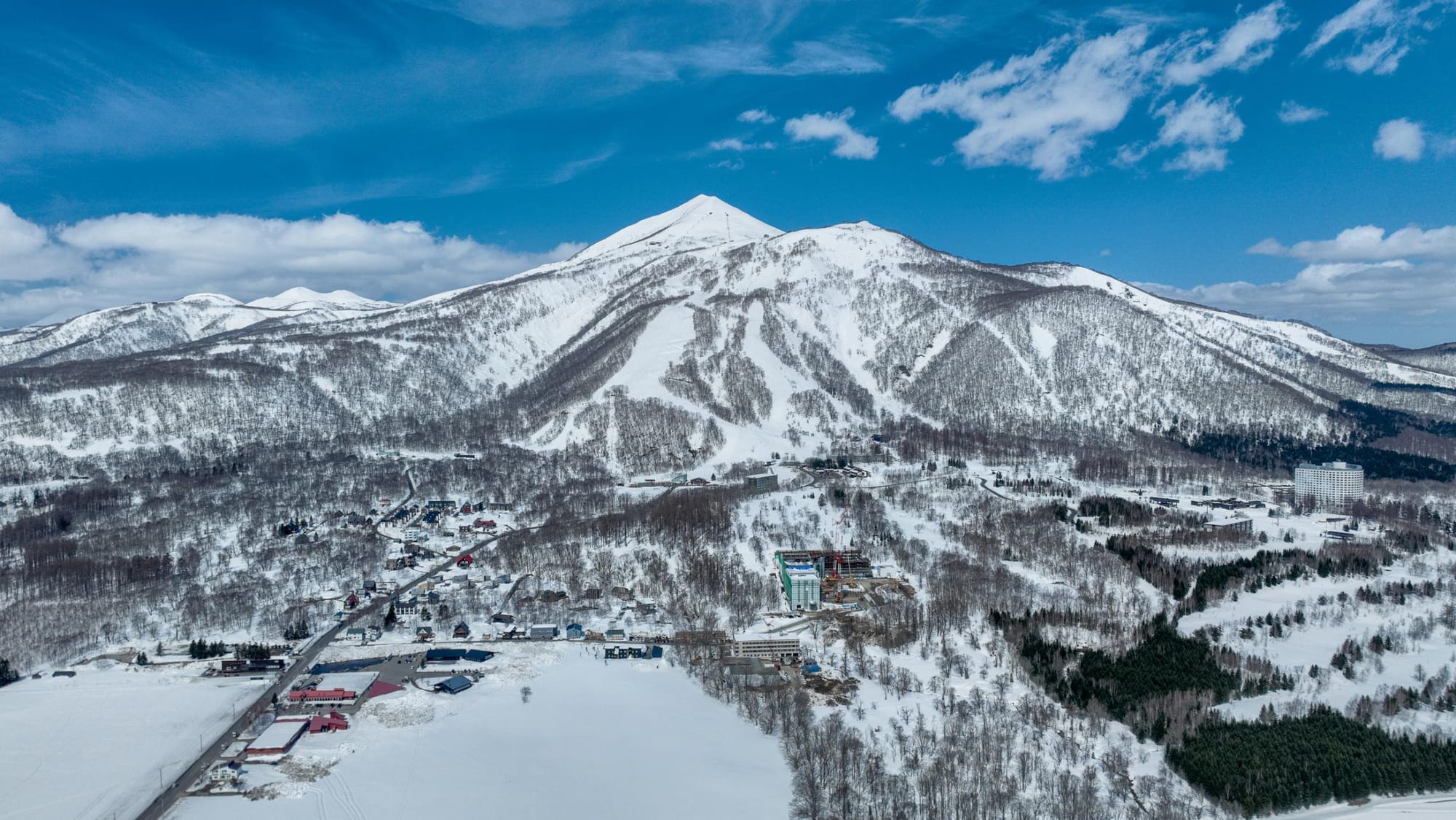
Craig Meikle’s latest market insights
As part of this update, Uchi asked Craig Meikle—owner of Niseko Realty and Hakuba Real Estate—for his latest view on market conditions in both Niseko and Hakuba heading into 2026.
Niseko: steady momentum, expanding hospitality, long-term confidence
According to Craig, the Niseko market continues to show strong momentum heading into 2026, supported by resilient international tourism, expanding hospitality supply, and sustained demand for premium real estate.
He points to continued buyer interest in core precincts including Hirafu, Hanazono and Niseko Village, where limited prime land supply and ongoing infrastructure improvements are helping to support values. Craig also notes that Niseko’s evolution as a year-round destination remains an important trend, with more operators and developers investing in non-winter activation, events and wider visitor experiences.
From an investment perspective, Craig highlights continued activity across Niseko’s major resort nodes:
- Grand Hirafu: ongoing infrastructure and area improvements continue to reinforce Hirafu’s position as the region’s commercial and retail centre.
- Hanazono: long-term expansion under the Niseko Hanazono Village master plan signals a multi-phase integrated resort vision over the coming decade.
- Niseko Village: construction of the new Moxy Niseko Village is adding branded mid-market hotel stock alongside existing luxury accommodation.
- Wider market confidence: the swift acquisition of the previously stalled New World La Plume Niseko Resort project, following developer distress, is seen as a sign that investor appetite remains strong for well-located assets.
- Ultra-luxury pipeline: Craig also notes the significance of Aman Niseko in nearby Moiwa, which further reinforces Niseko’s position as an increasingly mature and globally recognised resort market.
Overall, Craig’s view is that Niseko continues to attract long-term capital and remains one of Asia’s most established alpine real estate and hospitality investment markets.
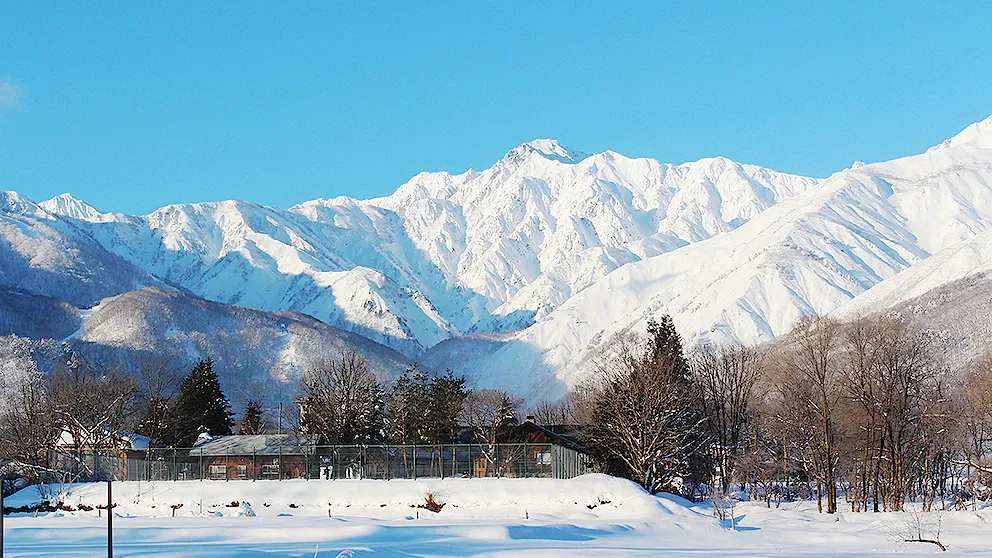
Hakuba: tourism recovery, rising land values and infrastructure upgrades
Craig describes Hakuba as a market that has entered a strong new phase of growth, driven by the return of inbound tourism and increasing investor attention.
He notes the sharp rebound in visitor numbers during the 2024–25 winter season, with international travellers making up a substantial share of total ski visits. In his view, this renewed tourism momentum is helping to underpin confidence across the broader resort economy, from accommodation and retail through to real estate and infrastructure.
Craig also points to a number of factors supporting Hakuba’s investment outlook:
- Land value growth: rising official land valuations in key resort and commercial areas indicate increasing demand from both domestic and overseas buyers.
- Strategic acquisitions: high-profile land transactions near major ski infrastructure, including a landmark site near Hakuba Iwatake, reflect growing institutional confidence in the market.
- Hospitality pipeline: the upcoming Cassia Hakuba project in Echo Land is an example of new branded accommodation targeting both short-stay and longer-stay demand.
- Lift and base-area upgrades: infrastructure improvements, including gondola and base redevelopment projects, are expected to improve the guest experience and support year-round visitation.
Craig’s assessment is that Hakuba is continuing to mature as an international resort destination, with stronger fundamentals now supported by a mix of tourism recovery, infrastructure investment and growing development activity.