Minpaku - Japan's Rules On Private House Letting And Airbnbs
What are the rules on Minpaku and Airbnb rentals in Japan?

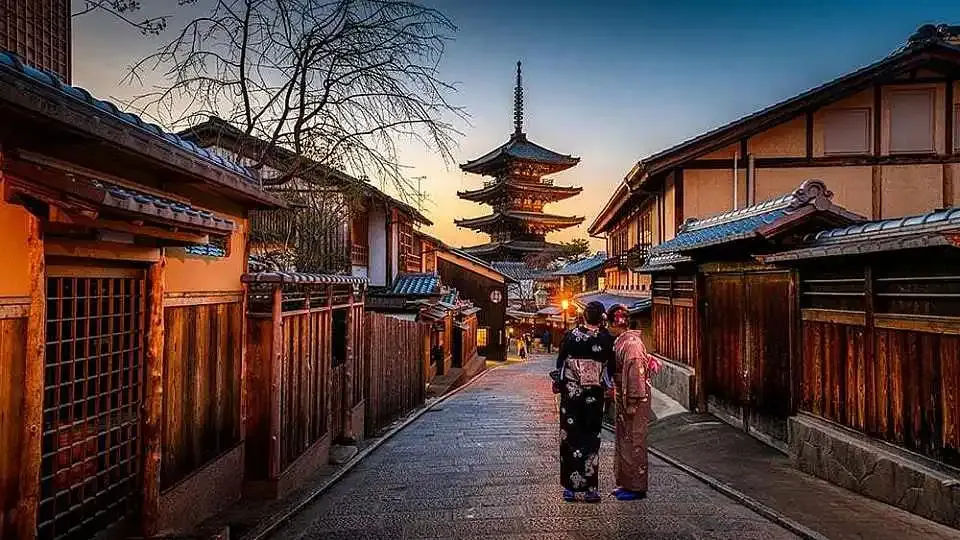
What are the rules on Minpaku and Airbnb rentals in Japan?
Minpaku regulations in Japan are specifically designed to regulate private lodging services, like Airbnb, in response to the growing popularity of such accommodations among tourists. These regulations were significantly updated in recent years to address various concerns. Here are the key points you should be aware of if you're considering buying a property in Japan for Airbnb-style rentals:
- Minpaku Law (2018): The new Minpaku law or the Private Lodging Business Act (住宅宿泊事業法), implemented in June 2018, legalised the renting out of private homes to tourists, but with certain restrictions. Before this law, such rentals were in a legal grey area.
- Registration Requirement: Homeowners must file a notification (Minpaku registration/届出) with the relevant authority and comply with national and local requirements.
- Occupancy Limit: There's a limit to the number of days per year a property can be rented out under this scheme, typically capped at 180 days, the “year” is counted April 1 to April 1 (noon-to-noon), and it’s counted by nights (1 night = 1 day). However, this can vary depending on local government rules.
- Safety And Health Standards: Properties must meet certain safety and health standards. This includes the installation of fire extinguishers, the display of emergency exit routes, and ensuring that the property is clean and hygienic. A point that's often missed here is the fact that the floor area of the room must be at least 3.3 square metres per guest.
- Management Rules: Depending on the setup (e.g., your place has more than five rooms or you're unable to manage the let personally), homeowners may be required to appoint a registered Minpaku management company to handle day-to-day operations, including guest check-in and compliance with local laws.
- Neighbourhood Notification: In some areas, homeowners may be required by municipal ordinance or building rules to notify neighbours or the neighbourhood association about their Minpaku operation. This is part of an effort to maintain harmony in residential areas.
- Tax Obligations: Income earned from Minpaku rentals is subject to taxation. Property owners need to declare this income and pay taxes accordingly.
- Local Regulations: Local governments can impose additional rules. For instance, some cities may have stricter regulations about where Minpaku can be operated, noise control, waste management, and other community-related concerns.
- Insurance: It's advisable to have insurance coverage for your property, considering the risks associated with renting out to short-term guests.
- Impact on Visa Status: Buying property is generally not restricted by visa status, but operating/working in Japan (including managing a lodging business) depends on your status of residence. If you’re unsure, get advice from an immigration professional and consider using a registered management company.
It's crucial to conduct thorough research and potentially consult with a legal expert familiar with Japanese real estate and Minpaku laws before proceeding with your investment. Regulations can vary significantly between different localities, and staying compliant is essential for the successful operation of a Minpaku rental in Japan.