Conrad’s Move Into Kobe Signals Growing Confidence In Japan’s Premium Hotel Market
Conrad’s planned debut in Kobe is another sign that international luxury hotel brands continue to see opportunity in Japan beyond Tokyo and Osaka’s core districts.

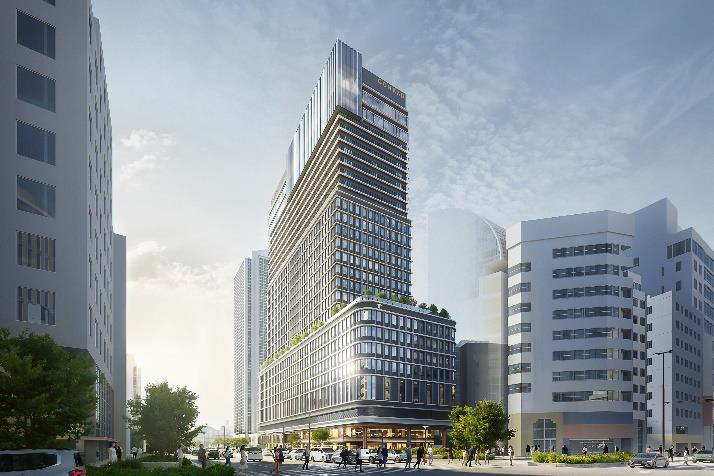
Conrad’s planned entry into Kobe is not just another hotel announcement. It is a useful signal about where confidence in Japan’s premium hospitality market still sits.
The brand will become the first Conrad in Kansai as part of the redevelopment of Kobe City Hall’s No. 2 building, a long-running civic site in a prime location between Sannomiya, the old foreign settlement and the waterfront. The project is being led by a consortium headed by Orix Real Estate, and the broader scheme will combine hotel, offices, retail and public functions in a new 29-storey tower scheduled for completion in September 2029, with the hotel expected to open in 2030.
For investors, the more interesting point is not simply that Conrad is entering Kobe. It is that an international luxury flag is being placed inside a large mixed-use redevelopment outside the usual Tokyo focus. That suggests developers and operators still see room for premium urban hospitality growth in regional gateway cities with strong identity, good access and broad visitor appeal.
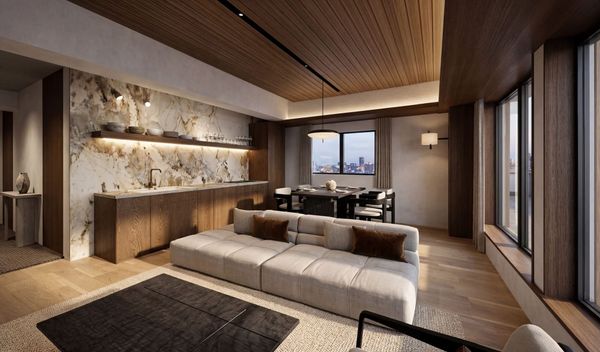
The hotel itself will occupy the 4th floor and floors 20 to 28 of the building, with 136 rooms, mostly around 50 square metres, alongside restaurants, a bar, spa, pool and a 500 square metre ballroom. Office floors will sit between the public and hotel elements, while the lower levels will include retail and open civic space. In other words, this is not just a hotel scheme. It is part of a wider place-making strategy built around a prominent urban site.
That matters because luxury hotel investment in Japan increasingly seems to favour one of two models: prime resort destinations with strong lifestyle branding, or major mixed-use city-centre redevelopments where hospitality can be supported by offices, retail and public-realm improvements. Kobe fits the second model well.
This does not make Kobe a resort-market story in the way Niseko or Hakuba might be. But it does reinforce a broader point relevant to Uchi Insights readers: international capital and global hotel brands still appear willing to back large-scale, high-end projects in Japan where the surrounding district and demand profile feel durable enough to justify them. In that sense, the Conrad Kobe announcement says as much about confidence in Japan’s wider hospitality ecosystem as it does about Kobe itself.