Beyond the Ski Pass: What SkiStar’s Results Reveal About the Mountain Holiday Business
SkiStar’s stronger earnings and Vail’s difficult winter reveal how resorts earn from the whole holiday—and why accommodation, advance passes and weather need to be assessed together.

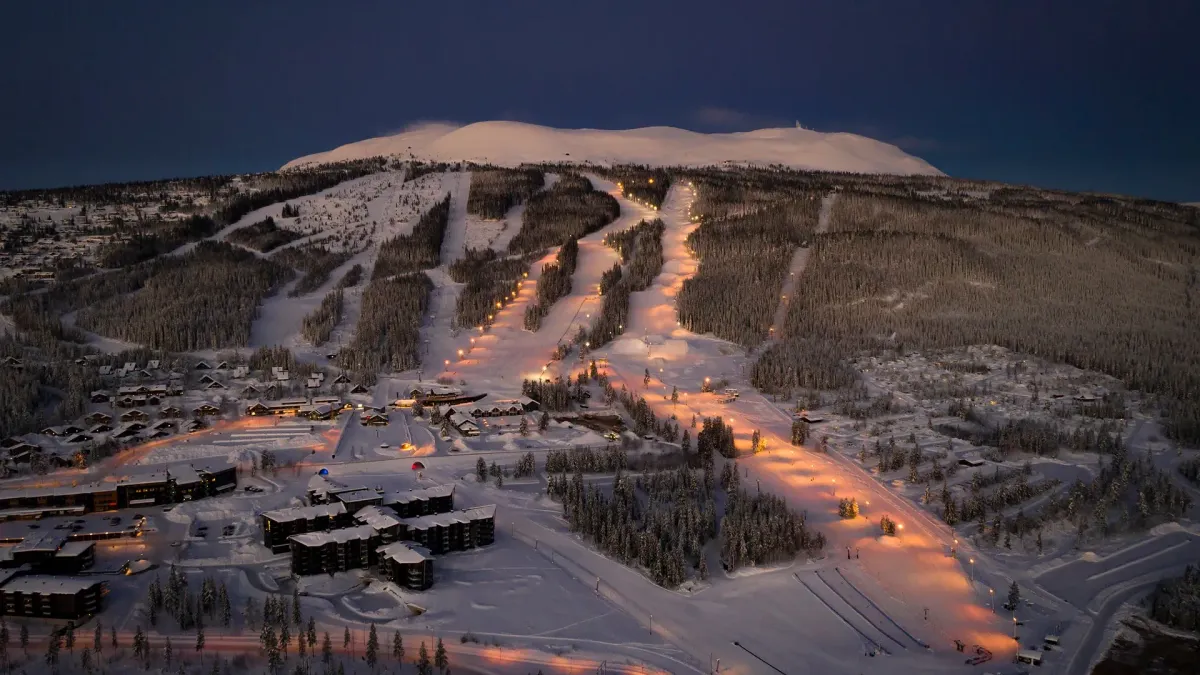
Scandinavia's SkiStar has shown stronger earnings, which offers a useful perspective on a difficult year for Vail Resorts. The comparison shows how accommodation, advance commitments and spending during a holiday affect resort performance, while leaving weather firmly in the picture.
A ski resort can earn more without welcoming many more skiers. It can also protect a significant part of its income when guests make fewer visits. SkiStar and Vail Resorts have just provided examples of those different outcomes, making their latest results a useful starting point for understanding where the mountain holiday business earns its money—and where it remains exposed.
SkiStar, which operates destinations in Sweden and Norway, reported net sales of SEK4.954 billion for the year to August 2026, up 8%, and operating profit of SEK872 million, up 11%. Operating profit excluding capital gains from exploitation assets rose 18% to SEK870 million. Operating cash flow increased 15% to SEK1.223 billion, while earnings per share rose 14% and the board proposed raising the dividend from SEK3.00 to SEK3.50. Its winter 2026/27 accommodation bookings were 3% ahead of the comparable position a year earlier.
Those figures invite comparison with Vail, but they cannot establish which company has the better strategy. The operators serve different markets, sell different combinations of products and experienced different winter conditions. Their financial measures also differ: SkiStar’s operating profit includes depreciation, while Vail’s Resort Reported EBITDA excludes it. Ranking their margins or growth rates as though they describe identical businesses would conceal more than it explains.