Shinjuku’s Minpaku Crackdown Is A Warning For Property Investors
Shinjuku plans to ban many short-term rentals even where they are already operating legally, highlighting a risk property investors can easily underestimate: rental permissions can change after purchase.

For property investors, rental income can quickly become part of the value of an asset. A buyer looks at the purchase price, estimates occupancy and nightly rates, calculates a yield and decides whether the numbers work. Shinjuku is providing a timely reminder that one of those assumptions can change even when the property itself does not.
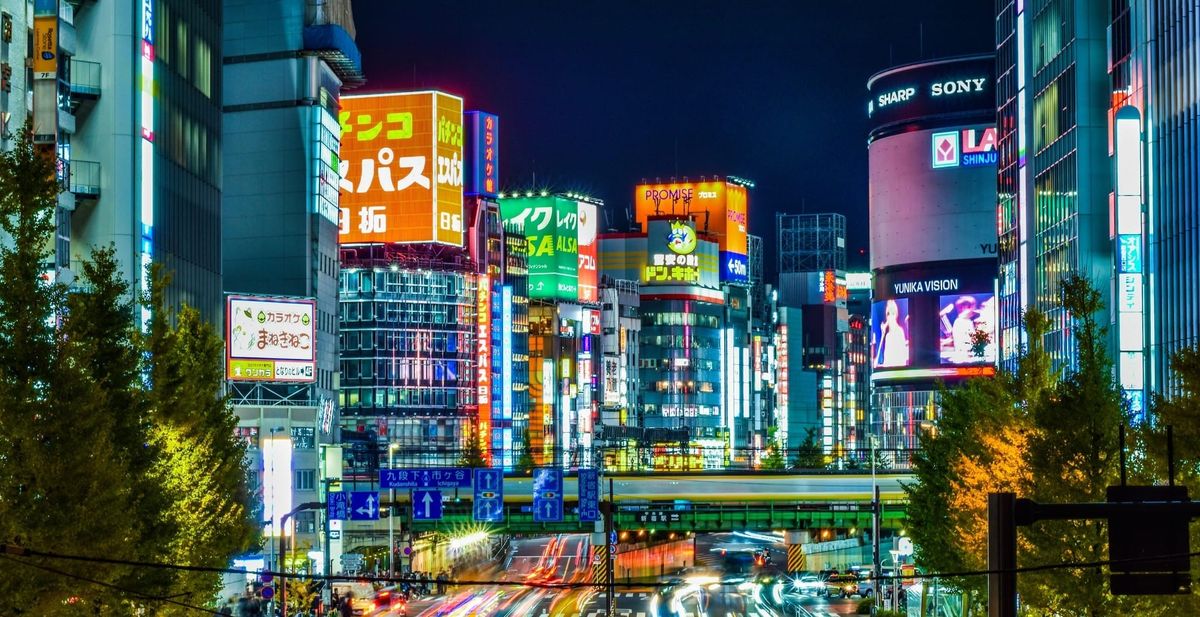
Tokyo’s Shinjuku Ward, which has more registered minpaku properties than any other municipality in Japan, plans to effectively prohibit short-term rental operations in residential-only areas and designated educational districts. Crucially, the proposal would not apply only to new businesses. Existing legally registered properties would also be affected after a grace period. Shinjuku estimates that around 2,000 of its 3,775 registered minpaku properties as of 15 July could eventually be unable to continue operating under the proposed rules.
Even properties in commercial districts would face tighter limits, with the maximum annual operating period reduced from the national ceiling of 180 days to 120. The ward plans to seek public comments in October and submit the necessary ordinance amendment to the ward assembly in February 2027, meaning these are still proposed rules rather than measures already in force.
The Important Risk Is Regulatory, Not Just Operational
The usual risks in a short-term rental investment are relatively easy to understand. Occupancy may be weaker than expected, nightly rates may fall, management costs may rise or competing accommodation may increase.
Regulatory risk is different because it can alter the business model itself. A buyer might acquire an apartment because 180 days of short-term letting produces a much better return than conventional monthly rental. If the permitted operating period later falls to 120 days, or short-term accommodation becomes prohibited in that location altogether, the original income calculation may no longer be relevant.
This is particularly significant in Shinjuku because the proposed changes could affect businesses that were operating legally under the existing system. Investors cannot therefore assume that a property which qualifies for minpaku today will necessarily retain the same operating conditions indefinitely.
Japan’s national Residential Accommodation Business Act sets the broad framework, but municipalities can impose additional local restrictions. Shinjuku already restricts operations in residential-only areas from noon Monday until noon Friday, while permitting operation for up to 180 days elsewhere. The latest proposal would take that local authority considerably further.
Why Shinjuku Is Tightening The Rules
The ward’s position is not difficult to understand when viewed from the perspective of residents. Shinjuku received 1,334 minpaku-related complaints in fiscal 2025, compared with 82 in fiscal 2021. Common problems included improper rubbish disposal, night-time noise and smoking, alongside concerns about operators who could not be contacted or accommodation operating without the required registration.
The ward has already taken enforcement action against repeat offenders, revoking operating rights for five businesses covering 15 facilities since December 2025. At the same time, the volume of accommodation has continued to increase: Shinjuku reported 3,928 registered properties by the end of August, up from 3,775 in mid-July.
This is therefore not simply a policy response to tourism growth. It reflects a wider tension between the economic value created by short-term accommodation and the fact that many of these properties sit inside ordinary residential neighbourhoods.
Tokyo’s wards are increasingly confronting the same issue. In May, the mayors of 21 of Tokyo’s 23 special wards jointly requested tighter national regulation, noting that the wards now account for more than 40% of registered minpaku nationwide and citing noise, rubbish, uncontactable operators and unregistered accommodation as growing problems.
A Property Can Have More Than One Value
For investors, the most useful response is not to avoid minpaku altogether. It is to distinguish between the value of the property and the value of the current operating permission.
A well-located apartment in Shinjuku may still have strong long-term residential demand even if short-term rental becomes impossible. The investor may earn less than originally hoped, but the underlying asset can retain a credible alternative use.
The risk is greater when a purchase only works financially because of a high short-term rental yield. That leads to a simple due-diligence question: would the property still make sense if the short-term rental rules became less favourable?
A buyer considering a minpaku-oriented property should understand the zoning, current local ordinance, building management rules, licensing or notification requirements and whether an on-site or registered manager is required. Just as importantly, the financial model should include a scenario based on conventional long-term rental or personal use rather than assuming the most profitable operating structure will continue indefinitely.
The Lesson Extends Beyond Tokyo
The same issue is relevant to Japan’s resort-property markets, even though local rules and accommodation structures differ considerably. A growing number of second-home products are marketed around the idea that owners can use the property themselves and rent it when they are away. In some cases this operates under hotel or ryokan licensing, while others use minpaku, monthly rental or separate accommodation-management structures.
Those distinctions matter, because an apartment operating within a properly licensed hotel structure has a different regulatory profile from a residential unit relying on the 180-day minpaku regime. Buyers should understand exactly what gives the property permission to generate accommodation income, who holds that permission and whether the model depends on a local rule that could later be amended.
This is particularly relevant as more municipalities balance booming tourism against housing shortages and complaints from residents. The political calculation can change quickly when a use that once looked like useful additional accommodation starts to be viewed as reducing residential supply or damaging neighbourhood amenity.
Underwrite The Property, Not Just The Airbnb
Shinjuku’s proposal is still working its way through the legislative process, and the final ordinance may differ from the current plan. Existing businesses are also expected to receive a grace period rather than being forced to stop immediately.
But the investment lesson already exists. Short-term rental income can be valuable, and in the right location it can materially improve the economics of ownership. It should nevertheless be treated as an operating opportunity rather than a permanent characteristic embedded in the building.
Property lasts longer than regulation, so for buyers, the strongest investments are therefore likely to be those where the asset still has a defensible use and value if the rules around short-term accommodation change. Minpaku income can improve the return, but it should not be the only reason the property makes sense. Shinjuku may be one of the clearest examples yet of why that distinction matters.
Enjoyed this free article? Uchi Insights provides the latest market news from across Japan.
But if you want the latest data, you can access premium Uchi Insights reports covering pricing, sales, supply and market trends across Japan’s leading resort real estate destinations
Everything is available to Uchi Insights Premium subscribers, together with our complete archive of reports and analysis across Japan’s leading resort markets.
Twelve months of Premium access costs US$200—roughly the price of a good pair of gloves for that Japanese powder snow.
If you are buying, selling, investing or simply trying to understand where Japan’s resort property markets are moving, make sure you have the same data and analysis at your fingertips.
Don’t be the one wondering what everyone else knows.
Sources
- Kyodo News, reporting on Shinjuku Ward’s proposed short-term rental restrictions, 7 September 2026, syndicated by Bernama.
- The Japan Times, reporting on Shinjuku’s proposed restrictions and complaint data, 7 September 2026.
- Shinjuku Ward, current rules governing residential accommodation businesses.
- Shinjuku Ward, request by 21 Tokyo special-ward mayors for reform of the residential accommodation system, May 2026.