Kutchan’s Housing Shortage Is Becoming Part Of The Niseko Investment Story
A planned new housing development in Kutchan is another sign that the Niseko area’s growth is no longer just about hotels and second homes—basic residential supply is becoming a bigger part of the story.

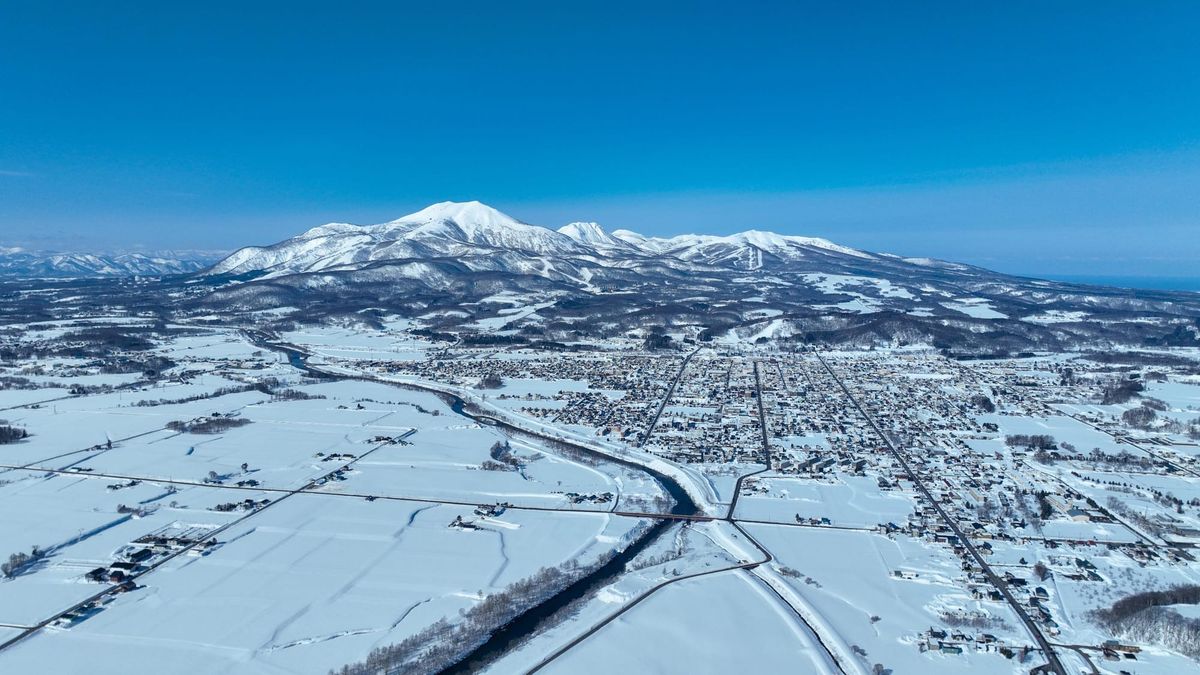
A planned new residential development in Kutchan may not sound like major resort-market news. In reality, it points to something increasingly important in the wider Niseko story: housing shortages are becoming a structural issue.
According to the report by Hokkaido Newspaper (Japanese only), Tokyo-based Strait P GK is planning to create eight residential lots on a site of around 17,000 square metres in Kutchan’s Yahata area, with multiple apartment buildings and a management building to follow. The stated purpose is to help respond to the town’s worsening housing shortage.
That matters because housing pressure in Kutchan is no longer a side issue. It is becoming part of the investment landscape.
For years, discussion around Niseko has focused on hotels, ski infrastructure, luxury homes and the continuing growth of international tourism. But the area’s success also creates more practical pressures: where staff live, how year-round workers are housed, and whether the town can provide enough functional residential stock to support the economy growing around it.
This project appears to sit squarely in that category.
The location is telling. The site is around 3 kilometres east of Kutchan Station and approximately 8 kilometres from Hirafu, away from the core resort zone and closer to a more practical residential setting. That suggests this is not lifestyle or resort-led housing, but housing aimed at a more functional local need. In many ways, that makes it more significant.
When resort markets mature, some of the most important developments are no longer the most glamorous ones. They are the projects that make the destination work.
The report also notes that Kutchan’s housing shortage has been driven in part by the growing number of foreign employees working in local resorts and related businesses. That is consistent with a wider trend across the Niseko area, where labour demand has expanded faster than residential supply. Another large-scale apartment project for up to 1,200 foreign workers is already under construction in the town, underlining how acute the issue has become.
For investors, the takeaway is not simply that one more housing project is coming. It is that worker housing and local residential supply are increasingly part of the resort story itself.
That does not mean every housing project in Kutchan should automatically be seen as investment-grade or strategically important. But it does suggest that the next phase of Niseko’s growth will depend not only on attracting visitors and capital, but on whether the wider area can support the people needed to keep the destination running.
In that sense, housing shortages are no longer just a local inconvenience. They are part of the infrastructure of the market.
That is why projects like this matter. They may sit outside the core luxury-resort narrative, but they help show where the real pressure points are emerging—and where the next layer of development may increasingly be needed.
If Niseko’s earlier growth story was about visibility, pricing and global recognition, its next phase may depend a little more on whether places like Kutchan can still function as liveable towns as well as successful resort gateways.