
What Foreign Buyers Should Know About Japan’s 2026 Property Rules
Headlines around Japan’s 2026 foreign property rule changes have raised questions among overseas buyers.

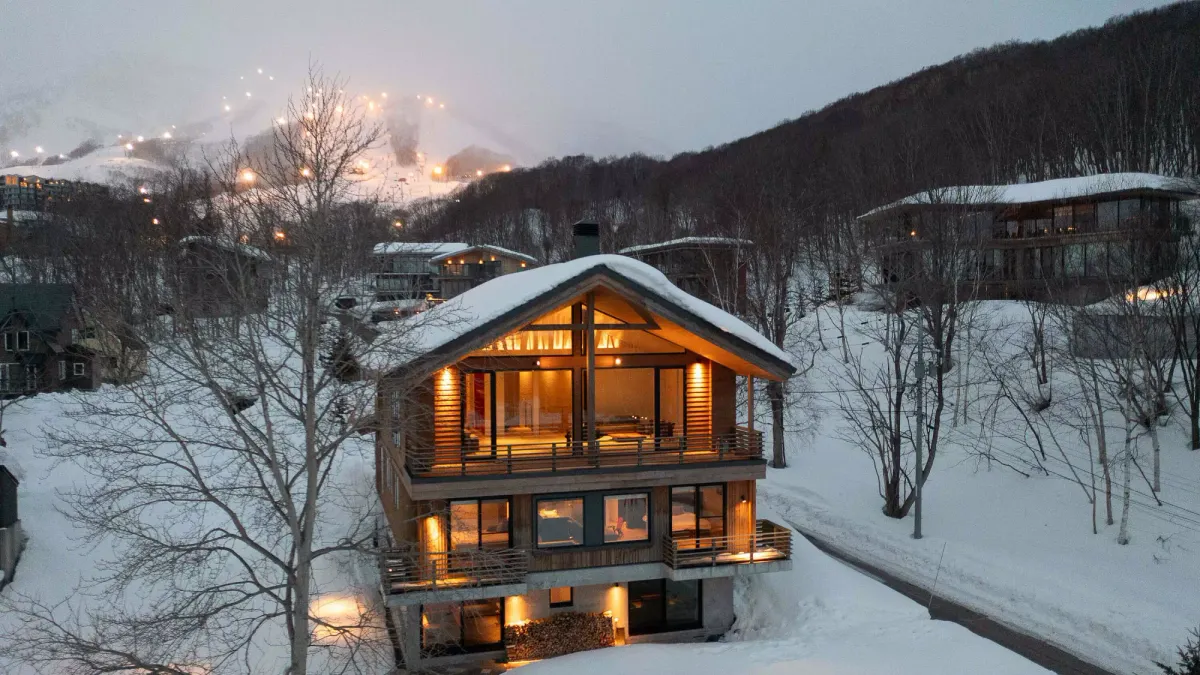
Headlines around Japan’s 2026 foreign property rule changes have raised questions among overseas buyers. We spoke with Ryan Emery of TAIGA about what is actually changing, what is not, and what international purchasers should keep in mind on the ground in resort markets such as Niseko.
Recent headlines have prompted renewed discussion around foreign ownership of property in Japan, with some reports suggesting that rule changes in 2026 could make buying more difficult for overseas purchasers.
To separate the practical reality from the noise, Uchi spoke with Ryan Emery, Sales Agent at TAIGA, about what the changes appear to mean in practice, and why Japan remains a notably accessible market for international buyers.
Ryan on the reality behind the headlines
Uchi: There has been a lot of attention around Japan’s 2026 foreign property rules. At a high level, what do overseas buyers need to understand first?
Ryan: The first thing is not to panic. A lot of the headlines make it sound as though Japan is closing the door to foreign buyers, but that is not really what we are seeing. The core point is that Japan is not introducing a blanket ban or a cap on foreign ownership of residential property. Overseas buyers can still purchase land and buildings in Japan, and the changes being discussed are much more about reporting and transparency than about restricting ownership itself.
So the main issue is administration rather than access?
That’s right. The practical takeaway is that there may be more disclosure required around buyer information during the registration process, but for genuine buyers that is likely to be an administrative step rather than a serious obstacle. In other words, it looks much more like extra paperwork than a fundamental shift in the market.
Why do you think this has created so much confusion?
Property rules and foreign ownership are always sensitive topics, and once a story starts moving online it can quickly become more dramatic than the reality. Japan has long been viewed as one of the more open property markets for international buyers, so any talk of “rule changes” naturally gets attention. But in this case, the more useful interpretation is that the authorities appear to be refining reporting procedures rather than changing the basic right to own property.
TAIGA’s view is that greater transparency could actually be positive. How so?
Generally speaking, clearer reporting frameworks can support a healthier market. When records are more standardised and traceable, that can help with due diligence, title clarity and overall confidence in the transaction process. For buyers coming in from overseas, especially those comparing Japan with other established markets, that kind of transparency can be reassuring.
Does that mean the buying process itself will feel different in 2026?
For most buyers, probably not in any dramatic sense. Financing, contracts, closing procedures—those fundamentals remain familiar. The changes seem to sit alongside the existing process rather than replace it. So from a buyer’s perspective, it is less about learning a completely new system and more about being ready for a little more documentation as part of the normal closing workflow.
From the point of view of resort markets such as Niseko, do you expect these updates to affect demand?
At this stage, I would not expect the changes themselves to alter the fundamentals of demand. Buyers still come to markets like Niseko for the same reasons they always have: lifestyle appeal, established international recognition, infrastructure, strong seasonal demand and the long-term attraction of owning in a destination people genuinely want to use. If anything, a well-documented market can help support confidence among serious purchasers.
Japan has attracted growing international attention in recent years, especially in second-home and resort destinations. Do you see these 2026 changes as part of a broader maturing of the market?
Yes, I think that is a fair way to look at it. As international participation increases, it is natural for reporting systems to evolve. That does not necessarily signal hostility towards foreign buyers. In many cases, it simply reflects a market becoming more sophisticated and aligning with broader global compliance standards. That is quite different from saying the market is becoming inaccessible.
What would your advice be to an overseas buyer who is reading alarming headlines and wondering whether now is the wrong time to enter Japan?
I would say the most important thing is to get informed, local advice and focus on the practical process rather than the headlines. If you are a legitimate buyer with clear objectives, these kinds of administrative updates are usually manageable. Japan still offers clarity of title, an established legal framework and a relatively straightforward path to ownership compared with many markets. The key is to work with professionals who can explain each step clearly and make sure the paperwork is handled properly.
Finally, what is the main message you would like foreign buyers to take away from all this?
Continuity. The underlying appeal of Japan’s property market has not suddenly disappeared. What we are seeing appears to be an evolution in reporting requirements, not a fundamental rejection of overseas participation. For buyers who are serious, prepared and well advised, Japan remains very much open for business.
Uchi's takeaway
For overseas buyers watching Japan from afar, the distinction between ownership restrictions and administrative changes is an important one. Based on TAIGA’s assessment, the 2026 updates are better understood as a transparency and reporting story than a shutdown story.
That matters particularly in resort destinations, where international demand has helped shape the market over many years. Buyers considering Niseko and other lifestyle-led regions will still need good legal, tax and transaction advice, but the bigger picture appears to remain one of continuity rather than disruption.
Thanks again to Ryan Emery, TAIGA Sales Agent, for his excellent insights into this topic.