Japan Land Prices Rise Again: Resort Areas Add To The Momentum
Japan’s land prices have risen for a fifth consecutive year, offering another sign that the country’s real estate recovery remains intact.

Japan’s land prices have risen for a fifth consecutive year, offering another sign that the country’s real estate recovery remains intact. As of 1 January 2026, official land values were up 2.8% nationwide, with residential land rising 2.1% and commercial land climbing 4.3%.
The headline figures naturally draw attention to Tokyo, Osaka and other major urban centres. But for Uchi readers, the more revealing part of this year’s data may be what it says about Japan’s destination and resort markets.
The latest survey shows that growth is not being driven by the big cities alone. In regional Japan, land values are also being supported by tourism, infrastructure upgrades, second-home demand and migration tied to lifestyle change. That is especially relevant in markets where hospitality, holiday homes and year-round destination appeal increasingly overlap.
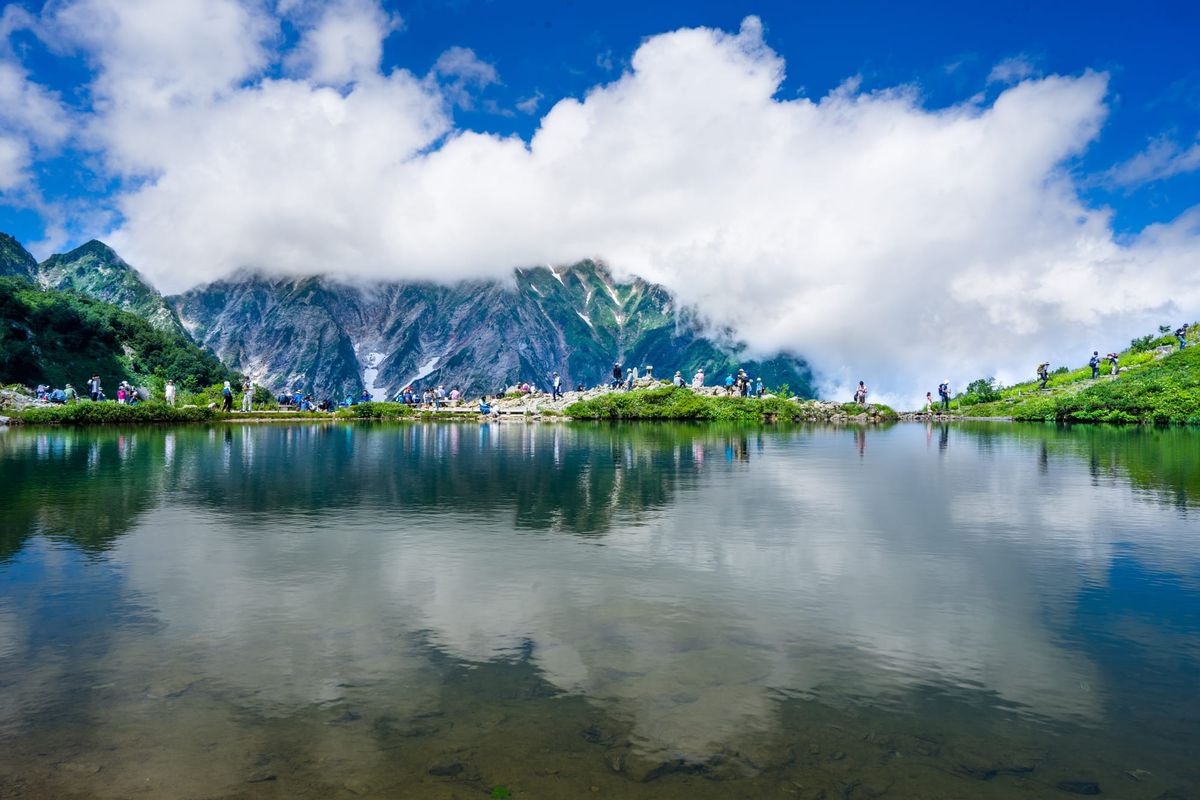
Hakuba is the clearest resort example in the 2026 data. The village recorded the highest residential land price growth in Japan, while one of its commercial sites ranked third nationwide. The government’s commentary pointed to Hakuba’s position as an international mountain resort, with strong visitor numbers, demand for hotels and retail space, and continued appetite for villas and condominiums from both domestic affluent buyers and overseas purchasers.
For the resort property sector, that is significant. It suggests that mountain destinations are no longer peripheral to Japan’s broader property story. In places such as Hakuba, land values are being pushed higher not only by winter tourism, but by a wider mix of lifestyle appeal, international recognition and constrained supply.
There are also other parts of regional Japan seeing sharp gains for very different reasons. Chitose, for example, posted the strongest commercial land price increase in the country, though that story is more closely tied to major industrial investment and infrastructure than to resort housing. Even so, for Hokkaido watchers it is another reminder that land values in destination regions can be influenced by a much broader set of economic forces than tourism alone.
That does not mean every resort market is moving uniformly. Land prices remain highly local, and conditions still vary sharply by region, supply constraints, planning rules and development pipeline. But the direction of travel is increasingly clear: well-known lifestyle destinations are becoming a more visible part of Japan’s national real estate story.
For buyers, sellers and developers focused on resort property, this year’s land price data offers another useful signal. The market’s momentum is no longer just urban and in the right destination, it can be powerful.