Scarcity, Supply and the Markets Where Averages Lie
A scarce listing is not automatically good value. Using Nozawa, Hakuba and other resort markets, Uchi shows how to test price headlines, read incomplete evidence and decide what to investigate before paying a premium.

Does a shortage of listings make a resort property more valuable—or simply harder to value? It is an important distinction for anyone looking beyond a handful of familiar destinations. When suitable properties rarely appear, the pressure to make a decision can feel very real. But a small selection also gives you fewer useful comparisons, and a dramatic movement in the local average may tell you more about the properties represented than about a change in the value of the one you are considering.
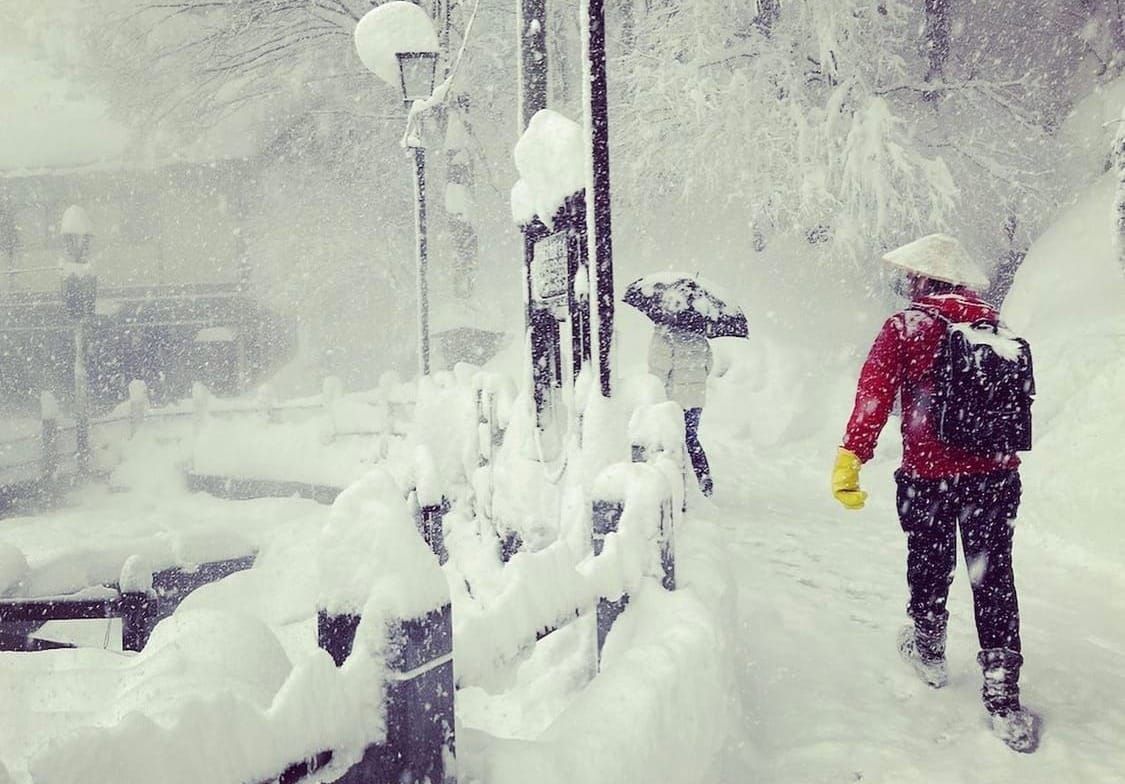
Nozawa Onsen illustrates the distinction between a thin public record and the wider market. Uchi’s Winter 2025/26 data contains nine properties represented as active during the reporting period and three recorded sales across all property types. Those figures describe Uchi’s coverage, not the total number of transactions in the village. Local accounts of privately negotiated deals suggest there may be activity beyond the advertised selection—making it important to examine both what the report captures and what it may not.
The issue is not confined to small resorts. A larger advertised population can still have missing prices, incomplete selling dates or activity concentrated in a particular product. This article follows the two Data Rooms by asking how to use the evidence: which figures can help establish a benchmark, which should prompt further questions, and where scarcity itself needs to be verified rather than assumed.
Below, Premium members can see the category-level explanation behind Nozawa’s headline average, the different coverage gaps hidden inside Hakuba’s apartment data, and a practical framework for assessing a property when the market does not provide a neat answer. The objective is not to avoid making decisions in thin markets. It is to know what evidence you are relying on—and what you would need to establish before paying a premium.
Explore the complete analysis with Uchi Insights Premium.
Want to read on and get the whole article, along with the full Winter 2025/26 Resort Intelligence series?
Everything is available to Uchi Insights Premium subscribers, together with our complete archive of reports and analysis across Japan’s leading resort markets.
Twelve months of Premium access costs US$200—roughly the price of a good pair of gloves for that Japanese powder snow.
If you are buying, selling, investing or simply trying to understand where Japan’s resort property markets are moving, make sure you have the same data and analysis at your fingertips.
Don’t be the one wondering what everyone else knows.