Japan’s Hotel Opening Numbers Can Overstate the Supply Being Added
A new review counts 2,283 rooms across selected forthcoming hotel openings, but estimates a smaller net addition. Hakuba’s hotel renovation illustrates why room supply and the strength of the competition need separate attention.

A September review of Japan’s hotel pipeline offers a useful warning for anyone assessing future competition: a hotel opening is not necessarily an addition of the same number of rooms to the market. The distinction becomes especially important when an existing property returns under a new operator or after a substantial renovation.
Metro Engine Research’s 10 September analysis identifies 14 hotels with more than 100 rooms scheduled to open between October 2026 and March 2027, totalling 2,283 rooms. After accounting for existing rooms displaced by the projects, its estimate of the net addition is approximately 1,591. The review is based on the researcher’s tracked listings and public information, not a complete national census of hotel development.
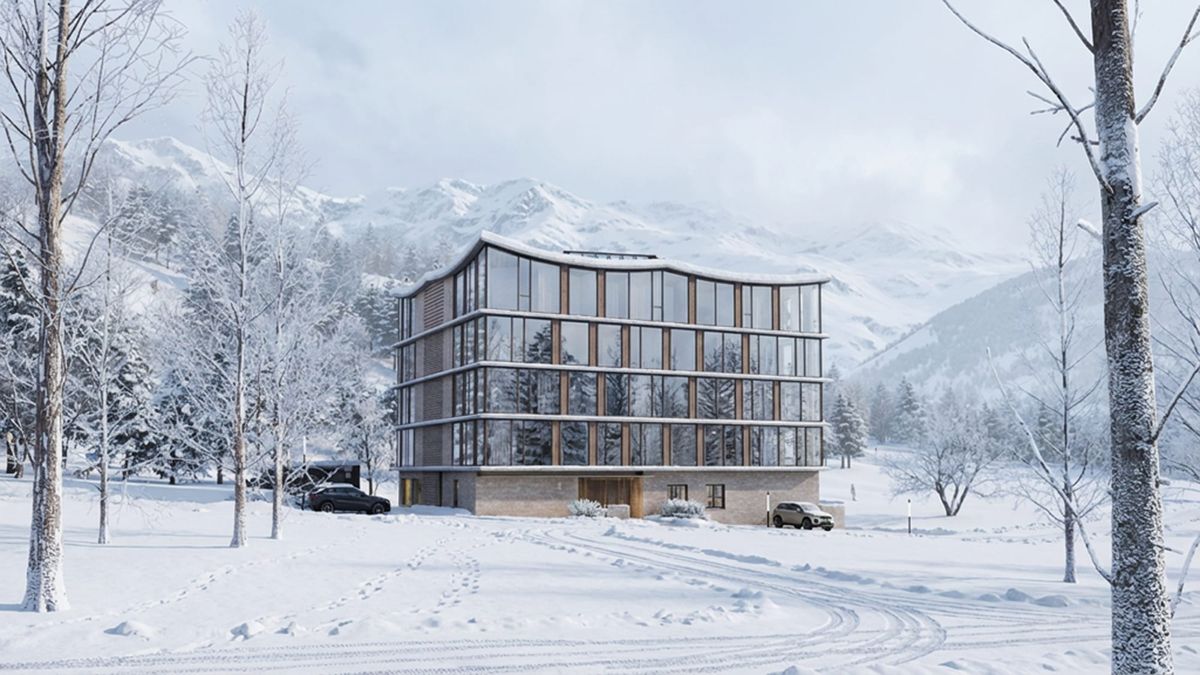
One of the examples is The Alps Hotel Hakuba, which is scheduled to open in December at Hakuba Norikura in Otari village. Plan Do See announced the project in April, taking on the existing Hakuba Alps Hotel and renovating it for a 159-room operation. It would be misleading to describe the entire room count as newly created accommodation simply because the name and offer are changing.
The operator’s plans nevertheless suggest a meaningful change in competition. The hotel is being designed around a broader mountain stay, including dining available to non-residents and facilities serving families. An existing room can compete differently after refurbishment, with a different distribution strategy or guest proposition, even when it occupies the same building as before.
That creates two separate questions for an accommodation owner. How many additional rooms will guests be able to book, and how much stronger will the available product become? Counting only net additions addresses the first but can understate the second. Counting every reopening as entirely new supply creates the opposite problem.
We hope you are enjoying this free article and please continue reading on below. Uchi Insights provides the latest market news from across Japan as well as global mountain resorts, most of it for free.
But we'd love a little love!
If you want the latest data and deep-dive reports, you can access premium Uchi Insights covering pricing, sales, supply and market trends across Japan’s leading resort real estate destinations.
Twelve months of Premium access costs US$200—roughly the price of a good pair of gloves for that Japanese powder snow.
If you are buying, selling, investing or simply trying to understand where Japan’s resort property markets are moving, make sure you have the same data and analysis at your fingertips.
Don’t be the one wondering what everyone else knows.
The geography also needs care. A regional headline can combine properties serving very different purposes, from business travel to mountain holidays. A hotel in another part of a prefecture may have little bearing on a particular lodge’s bookings, whereas a refurbished competitor beside the same lift could matter without moving the prefecture’s total room count very far.
Price comparisons require equally consistent definitions. Published opening offers are not proof of achieved average room rates, and advertised prices for different room types or meal packages are not directly comparable. A forecast based on a neighbour’s headline rate should explain those differences before using it to estimate income.
For the coming winter, the most useful supply review will track the hotels a guest would genuinely consider as alternatives, recording their opening status and changed offer alongside room numbers. Renovation can reshape that competitive set without a dramatic expansion in buildings, which is why the announcement calendar and the actual supply calculation should remain separate.
Sources
- Metro Engine Research via HotelBank – October 2026 to March 2027 Hotel Pipeline Review, 10 September 2026 (Japanese; selective coverage, not a census)
- Plan Do See – THE ALPS HOTEL HAKUBA Renovation and December Opening Plan, 1 April 2026 (Japanese original)