A Tokyo Apartment Renewal Shows Why Demolition Is Not Always the Best Option
Mitsui Fudosan’s completed Tokyo renewal retained much of a decades-old apartment structure. The case shows why rebuilding can sacrifice usable space, and why the economics of older property require a site-specific comparison.

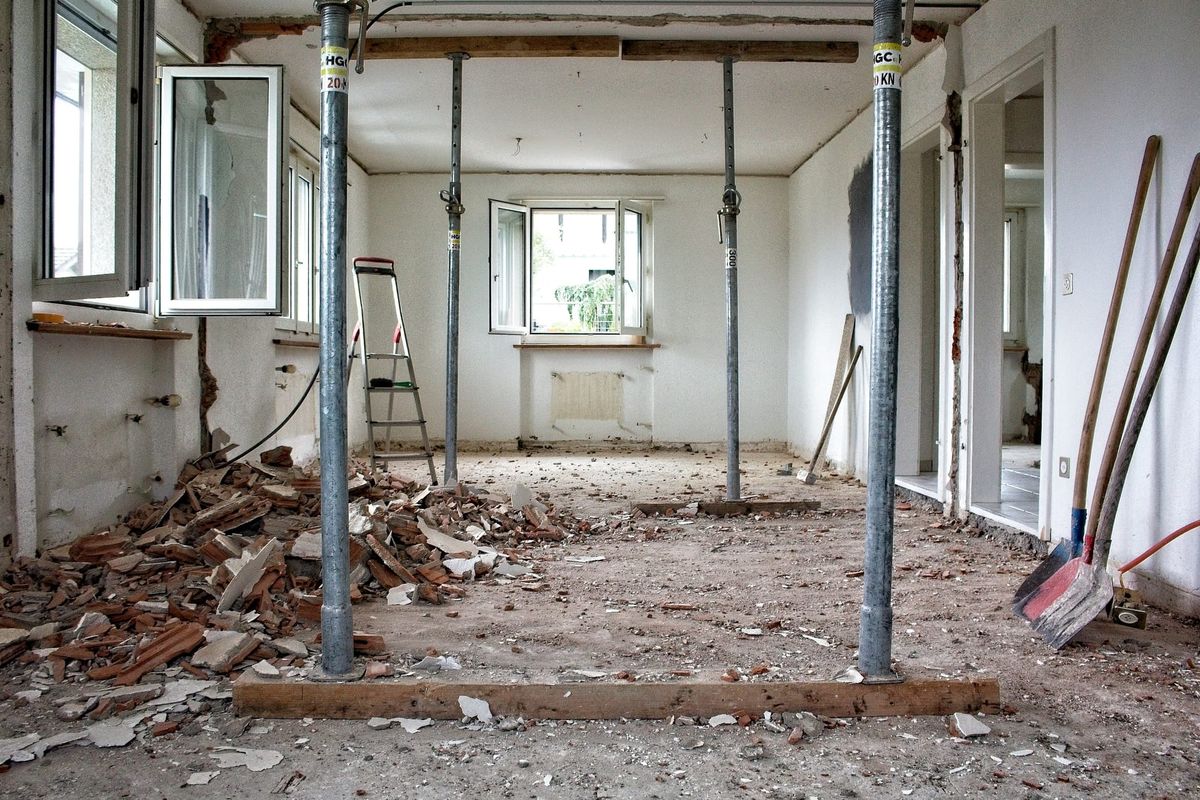
An ageing Tokyo apartment building has returned to the rental market after a substantial structural renewal, providing a specific example of how the economics of retaining a building can differ from simply replacing it. Mitsui Fudosan announced the completed Reheights Chojamaru project on 7 September, following construction that finished in August.
The property in Shinagawa combines buildings originally completed in 1968 and 1974. Working for owner Matsuoka Jisho, the project team reused approximately 80% of the existing structure through architect Shigeru Aoki’s refining approach. Mitsui reports construction costs approximately 30% below an equivalent rebuild and estimated carbon emissions around 60% lower, with the carbon comparison calculated by Aoki’s practice.
Those figures describe this project, not a standard discount available to anyone buying an older building. Its circumstances were important: Mitsui says rebuilding would have triggered restrictions, including shadow regulations introduced after the original construction, that were expected to reduce the building’s size. Retaining and upgrading the structure preserved an asset that might have become smaller if demolished.
The work went beyond interior decoration. Both buildings received new inspection certificates, and the renewed property contains 40 rental apartments compared with 42 previously. The case therefore concerns the building’s technical and regulatory position as well as its appearance, a distinction that matters when owners compare a cosmetic renovation budget with the cost of a comprehensive renewal.
For investors, the interesting calculation starts with the alternatives available on the actual site. A cheaper acquisition price may be attractive, but the existing floor area has commercial value only if it can be retained and used appropriately. Equally, a replacement building may offer a cleaner layout while sacrificing space that previously generated rental income.
A meaningful comparison would consider the period without rent during works and the future maintenance obligations alongside construction expenditure. Retaining an older structure can reduce some work while introducing investigation and repair costs that are difficult to judge before detailed surveys. The decision needs a building-specific technical assessment rather than a general preference for old or new.
The example is relevant to resort towns with older accommodation, although its savings cannot be transplanted to a mountain hotel or lodge. Different structures, weather exposure and intended uses can change the scope substantially. A Tokyo residential renewal demonstrates a possible route, not proof that a particular resort conversion is feasible.
Owners considering redevelopment should therefore establish what each option would leave them with before comparing quotations. The Chojamaru project shows why the best use of an existing property can depend on the relationship between its structure and today’s development constraints, with demolition carrying an opportunity cost that is easy to overlook when attention is fixed on the age of the building.
We hope you enjoyed this free article. Uchi Insights provides the latest market news from across Japan as well as global mountain resorts, most of it for free.
But we'd love a little love!
If you want the latest data and deep-dive reports, you can access premium Uchi Insights covering pricing, sales, supply and market trends across Japan’s leading resort real estate destinations.
Twelve months of Premium access costs US$200—roughly the price of a good pair of gloves for that Japanese powder snow.
If you are buying, selling, investing or simply trying to understand where Japan’s resort property markets are moving, make sure you have the same data and analysis at your fingertips.
Don’t be the one wondering what everyone else knows.
Sources
- Mitsui Fudosan – Completion of Reheights Chojamaru, 7 September 2026 (Japanese original; project figures and planning constraints)
- Mitsui Fudosan – Refining Method, Inspection Certificates and Building-Specific Limitations (Japanese; background)