Hokkaido’s New Lifestyle Property Story Being Built Around Baseball
Nearly 3,000 enquiries for a new tower beside Hokkaido Ballpark F Village suggest second-home demand in Hokkaido can be created around sport, entertainment and placemaking—not only ski resorts.

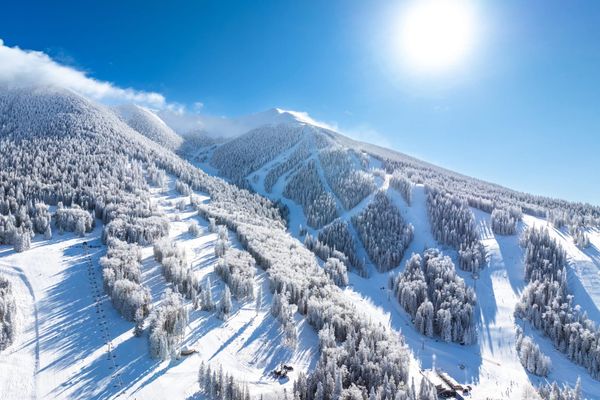
When people think about lifestyle property in Hokkaido, the conversation usually starts with snow. Niseko, Furano and Rusutsu have shown how a compelling destination can attract second-home buyers from Japan and overseas, with property demand building around skiing, hospitality and the wider resort experience.
A new development in Kitahiroshima suggests the same principle can work without a ski lift in sight. The Es Con Field Tower, a 508-unit residential tower being developed beside Hokkaido Ballpark F Village, has attracted close to 3,000 enquiries in around four months, according to the developers. Around 60% have come from people living outside Hokkaido. More strikingly, only 33% of prospective buyers say they are considering the property primarily as a main home. Half are looking at it as a second home and 17% as an investment.
Those are enquiries rather than sales—the first 110 units are not due to begin registration until September—so they should not be confused with completed demand. Even so, the profile of that interest is revealing. F Village is effectively creating a new kind of destination property market around baseball.
More Than A Stadium
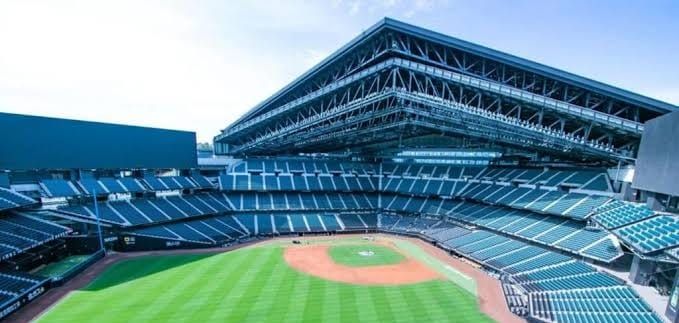
Hokkaido Ballpark F Village opened in 2023 around Es Con Field Hokkaido, the home of the Hokkaido Nippon-Ham Fighters. But the 32-hectare development was deliberately conceived as more than somewhere people visit for a game. Its wider mix combines sport with entertainment, food, accommodation, outdoor activities, wellness and community facilities and that ecosystem is continuing to expand.
The new tower will rise 36 storeys and is scheduled for completion in September 2028. A new JR station planned for the same year will put both the tower and stadium approximately 200 metres away, materially changing access to the area. F Village is also adding an 11-storey office and commercial development, explicitly pursuing a model that combines working, living, learning and entertainment around the sports destination.
The residential product itself is being designed accordingly. Apartments range from around 41 to 238 sqm, with facilities including a spa lounge, gym, golf lounge, co-working space and viewing deck. Units on floors 16 to 25 are planned to allow minpaku operation, adding another potential use for owners who will not occupy their homes year-round.
Prices for the first phase are expected to range from the low ¥40 millions to above ¥500 million. This is not simply affordable suburban housing benefiting from a nearby stadium. The developers are deliberately targeting a high-end lifestyle and second-home market.
Destination Real Estate Does Not Have To Mean A Resort
This is the more interesting property lesson, suggesting successful lifestyle markets are often created by giving buyers a reason to spend time somewhere repeatedly. Skiing happens to be extremely effective at doing that: owners return every winter, develop an emotional connection with a place and gradually build their lives around it.
But sport and entertainment can create some of the same behaviour. A committed Fighters supporter might attend dozens of games each year. Families may combine baseball with restaurants, shopping and other activities. Corporate owners may use apartments for entertainment or accommodation. Others may simply like the idea of having a second base close to Sapporo and New Chitose Airport within a purpose-built leisure district.
The property therefore becomes attached to an experience rather than merely a postcode. That is already familiar in international markets built around golf, marinas, theme parks and major sporting venues. F Village is an unusually ambitious Japanese attempt to make the destination itself broad enough to support residential, hospitality, commercial and entertainment uses.
A Useful Hokkaido Counterpoint
For Uchi Insights readers, F Village is interesting precisely because it is so different from Niseko. The two markets obviously should not be compared directly. Niseko has decades of international tourism development, a global buyer base and a much deeper resort-property market. Kitahiroshima remains principally part of the Sapporo metropolitan economy, and the current evidence for second-home demand comes largely from interest in one prominent new tower.
But both illustrate the value of an ecosystem, showing that people rarely pay a premium simply because a building is new. The stronger premium comes when the property sits somewhere difficult to reproduce: beside lifts, beside a beach, beside a golf course—or perhaps beside a successful professional sports and entertainment district.
F Village is attempting to manufacture that scarcity through placemaking and infrastructure rather than relying on a natural asset such as snow. The nearly 3,000 early enquiries do not yet prove that the strategy will translate into sales at the proposed prices. The first phase will provide a much better test.
But the buyer profile is already worth watching. If half of prospective purchasers genuinely see these apartments as second homes, Hokkaido may be developing another lifestyle-property market with very different foundations from its mountain resorts.
This one is being built around baseball.
Enjoyed this free article? Uchi Insights provides the latest market news from across Japan.
But if you want the latest data, you can access premium Uchi Insights reports covering pricing, sales, supply and market trends across Japan’s leading resort real estate destinations
Everything is available to Uchi Insights Premium subscribers, together with our complete archive of reports and analysis across Japan’s leading resort markets.
Twelve months of Premium access costs US$200—roughly the price of a good pair of gloves for that Japanese powder snow.
If you are buying, selling, investing or simply trying to understand where Japan’s resort property markets are moving, make sure you have the same data and analysis at your fingertips.
Don’t be the one wondering what everyone else knows.