Kagoshima’s Rail Incentive Puts the Overnight Stay at the Centre
Kagoshima links rail support to eligible hotel bookings. The useful test is additional room nights and retained revenue, rather than redemptions alone.

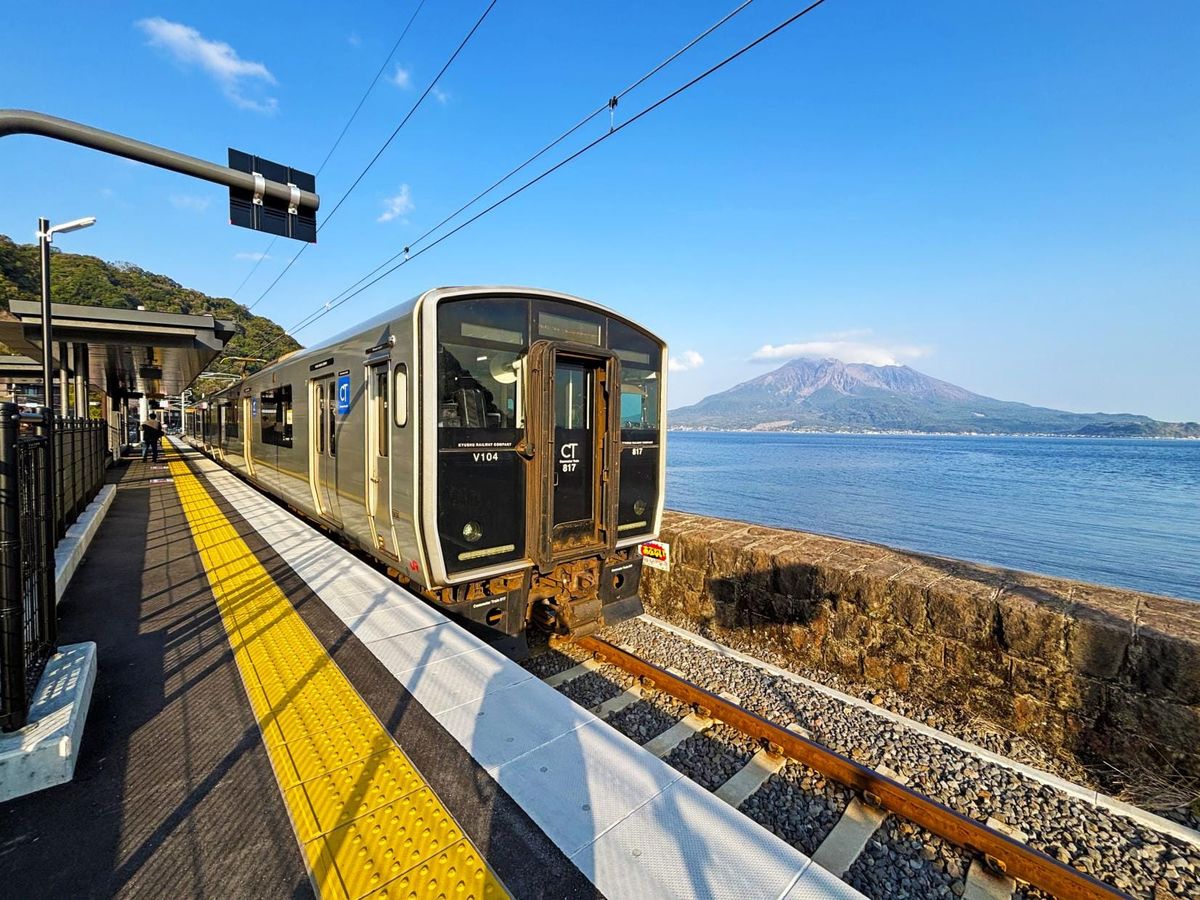
Kagoshima’s latest visitor campaign connects an accommodation booking with the cost of travelling beyond Fukuoka. The mechanism is specific: eligible international visitors who reserve at least one night in the prefecture through Klook can receive support equivalent to a one-way Shinkansen journey from Hakata. It places an overnight stay at the centre of the promotion, rather than treating transport and accommodation as separate decisions.
Klook announced the campaign on 18 September 2026, with a stated end date of 28 February 2027 or earlier exhaustion of the allocation. The benefit is worth up to ¥11,420. Eligibility covers eight specified markets and requires travel through Fukuoka Airport. These conditions matter: the announcement is neither an unrestricted free-train offer nor a promise of a return journey for every foreign visitor.
The commercial idea is to address a particular obstacle in an itinerary. A visitor already travelling through a regional gateway may be willing to add another destination but reluctant to absorb the extra transport cost. Connecting that cost to a hotel reservation makes the destination’s offer easier to assess as a whole. It also gives accommodation businesses a measurable booking event around which to organise their response.
The useful measure of success, however, is additional business rather than the number of benefits claimed. Some participants may already have intended to visit Kagoshima. Others may move an existing reservation between channels to qualify. Both would generate campaign activity without creating the same economic benefit as persuading someone to add a genuinely new overnight stay.
Length of stay gives the evaluation another dimension. A one-night minimum establishes eligibility; it does not establish how long participants actually remain. Two campaigns with identical redemption totals could produce different hotel revenue and local spending if one generates short stopovers and the other encourages multi-day visits. Reporting room nights and the distribution of stay lengths would make the results much more useful.
Hotels also need to understand what they retain from each reservation after distribution and servicing costs. A supported rail journey may improve the traveller’s perception of value while leaving the accommodation business with a familiar commission structure. The relevant operating question is whether the offer attracts demand at times and rates that make a worthwhile contribution.
This is a refreshed look at an existing campaign, not evidence that it has already changed Kagoshima’s tourism economy. Live availability and detailed booking conditions should be checked before travellers commit. No published outcome reviewed here establishes an increase in hotel profitability or property values attributable to the incentive.
For regional destinations, the experiment is worth following because it links the journey to an overnight objective. Its strongest lesson will come from what happens after arrival: how many additional nights are created, which businesses benefit and whether visitors return when the same support is no longer available.