Greater Tokyo resale condo prices are still rising—but the market is becoming more uneven
Resale condominium prices across Greater Tokyo rose for a 21st straight month in April, but the regional breakdown suggests a market that is still resilient overall while becoming less uniform beneath the surface.

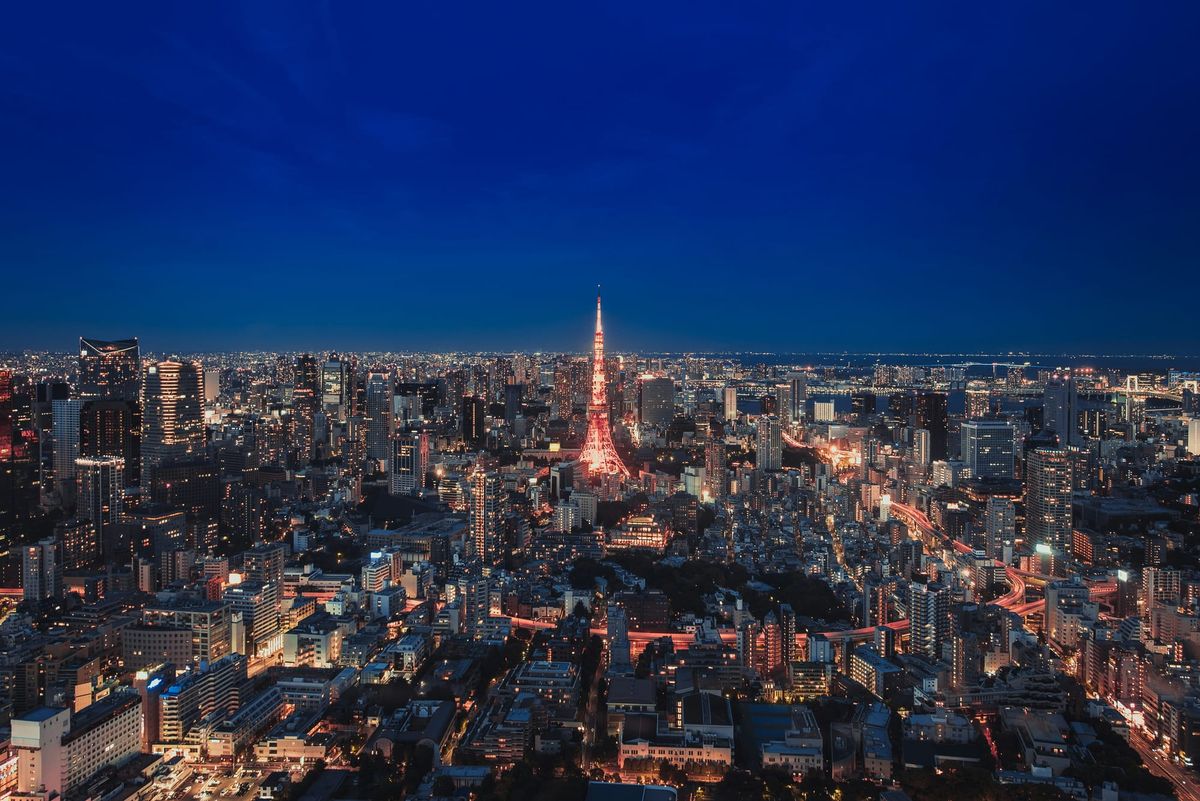
Greater Tokyo’s resale condominium market is still moving higher, at least on the surface.
According to Tokyo Kantei’s latest 70 sqm-equivalent pricing data, the average resale condo price across the capital region reached ¥72.25 million in April 2026, up 2.7% month on month and marking a 21st consecutive monthly increase. That headline alone suggests a market that remains remarkably firm despite affordability pressure, higher financing costs and growing signs of selectivity elsewhere in Japan’s residential sector.
But the regional detail is where the picture becomes more interesting.
Tokyo itself continues to do most of the heavy lifting. The average resale condo price in the capital rose to ¥110.94 million, up 2.6% from March and extending its run of gains to 24 consecutive months. Within that, the 23 wards climbed to ¥127.24 million, also up 2.4%, while the central six wards moved higher again to ¥188.22 million. In other words, prime Tokyo pricing still looks strong, and in some areas very strong.
Outside Tokyo, though, the picture was much less uniform. Kanagawa fell 0.9% month on month to ¥42.43 million, while Saitama slipped 0.5% to ¥31.51 million. Chiba was effectively flat, edging up 0.1% to ¥29.22 million, though that was still enough for a fifth consecutive monthly rise.
That split matters.
When the overall Greater Tokyo number is still rising but several surrounding prefectures are no longer moving in the same direction, it usually suggests a market that is becoming more selective rather than broadly stronger. Buyers may still be willing to pay up for Tokyo, especially in the most established and internationally legible parts of the capital. But the wider metropolitan market appears less one-directional than the headline implies.
From an investment perspective, that is a useful reminder that “Greater Tokyo” is not one single market. It is a collection of submarkets with very different demand drivers, affordability levels and buyer pools. Tokyo proper, and especially the 23 wards, continues to benefit from concentration of wealth, employment, international recognition and supply constraints. The surrounding prefectures are more exposed to domestic affordability, commuting logic and sensitivity to shifts in sentiment.
That does not mean the market is turning negative. On the contrary, the resilience of Tokyo pricing is notable, particularly given the wider debate around borrowing costs and household budgets. But it does suggest that the next phase of the cycle may be less about broad-based growth and more about where pricing power still holds.
There is also a practical point here for buyers and investors. In a market where prime Tokyo continues to rise while parts of the outer metro area flatten or soften, value may increasingly depend on exact location and product quality rather than on the simple assumption that all boats are rising together. That tends to be how mature markets behave when momentum starts to narrow.
So the larger message is not that Greater Tokyo is weakening. It is that the market is becoming less uniform beneath the headline. Prices are still rising overall, but the strongest support continues to sit where demand is deepest and most defensible.
That is often a sign of resilience. It is also a sign that selectivity matters more than before.