Foreign Land Purchases Are Small Nationally but Concentrated in Hokkaido
Foreign buyers accounted for 0.7% of Japan’s reported large land acquisitions in the new disclosure. Hokkaido’s concentration is striking, but the figures do not measure all property purchases or existing foreign ownership.

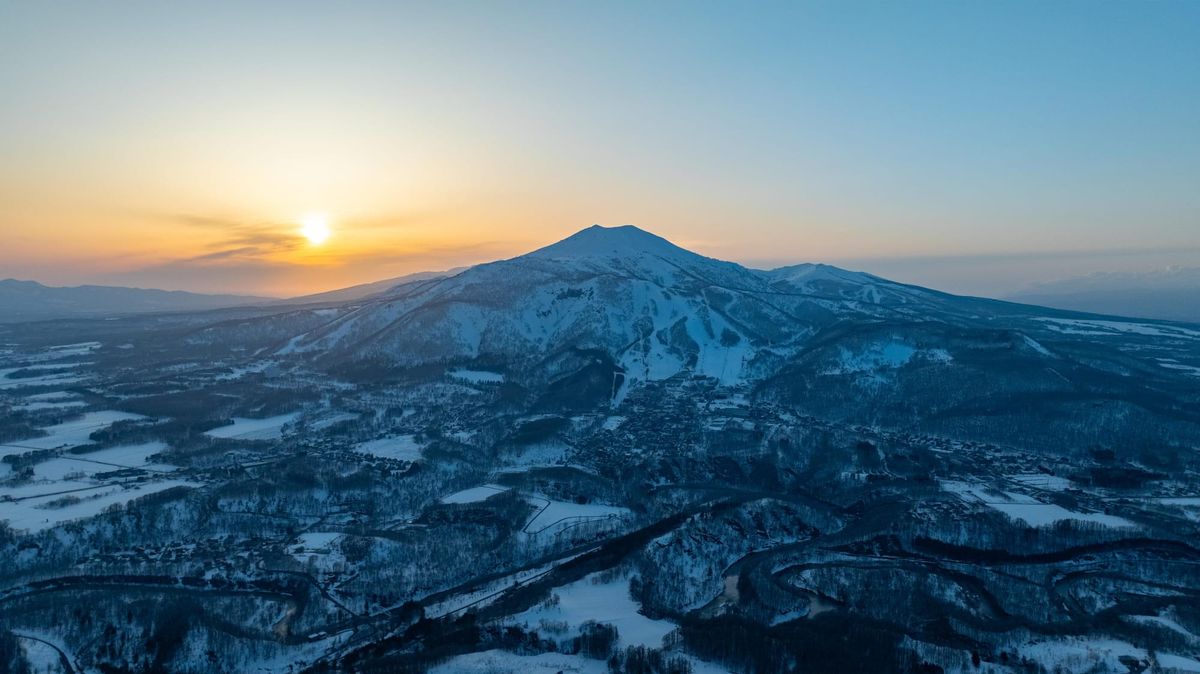
Japan’s first nationality-based disclosure of large land acquisitions gives the debate about overseas buyers a firmer statistical starting point. Published by the Ministry of Land, Infrastructure, Transport and Tourism on 15 September, it records a small foreign share nationally, alongside a noticeable concentration of the identified acquisitions in Hokkaido. Both findings matter, provided the boundaries of the dataset remain attached to the headline.
The figures cover notifications submitted between July and December 2025. Foreign individuals and foreign corporations accounted for 68 of 9,573 notifications, or 0.7% by number. The land involved totalled approximately 124 hectares, representing 0.5% of the area reported. These are qualifying large land transactions, not a census of every home purchase or a measure of all land already owned by foreigners.
Uchi’s count of the ministry’s detailed table identifies 19 acquisitions in Hokkaido, approximately 28% of the 68 foreign acquisitions nationwide. Locations include Kutchan and Niseko, but also Otaru, Sapporo and other municipalities. The denominator is crucial: 28% describes Hokkaido’s share of the identified foreign acquisitions, not foreigners’ share of all transactions within Hokkaido.
The reporting thresholds also shape what appears. The system generally covers land transactions from 2,000 square metres in urbanisation areas, 5,000 square metres elsewhere within city planning areas and 10,000 square metres outside them. Ordinary purchases below the relevant threshold are outside this dataset, so the findings cannot describe the full international market for resort apartments or smaller residential plots.
Corporate classification introduces another boundary. The ministry identifies foreign corporations through the jurisdiction under whose laws they were established. A Japanese-incorporated company with overseas shareholders is therefore not automatically counted as a foreign corporation. Nor should foreign nationality be confused with living abroad: the release separately identifies acquisitions by permanent or special permanent residents.
For readers following resort development, the useful next question is what happens to the land. An acquisition can precede construction, support an existing business or remain an undeveloped holding. Neither the buyer’s nationality nor the site’s area establishes that additional accommodation will open, that infrastructure has been funded or that a project has permission to proceed.
The results also leave local affordability questions unresolved. A modest national share can coexist with competition for particular sites, while a concentration of acquisitions does not itself prove that overseas demand caused a local price increase. That requires evidence about competing buyers, completed prices and available supply in the relevant market.
This first disclosure narrows the space for sweeping claims in either direction. It provides a defined national baseline and a useful regional lead, with Hokkaido deserving closer examination on its own terms.
We hope you enjoyed this free article. Uchi Insights provides the latest market news from across Japan as well as global mountain resorts, most of it for free.
But we'd love a little love!
If you want the latest data and deep-dive reports, you can access premium Uchi Insights covering pricing, sales, supply and market trends across Japan’s leading resort real estate destinations.
Twelve months of Premium access costs US$200—roughly the price of a good pair of gloves for that Japanese powder snow.
If you are buying, selling, investing or simply trying to understand where Japan’s resort property markets are moving, make sure you have the same data and analysis at your fingertips.
Don’t be the one wondering what everyone else knows.
Sources
- MLIT – First Nationality-Based Large Land Acquisition Results, 15 September 2026 (Japanese original)
- MLIT – Detailed Results, Including the Prefectural Table on Page 5 (Japanese; Hokkaido count calculated as 19 ÷ 68)