What a Whistler Hotel Condo Actually Lets You Own
Whistler’s hotel condos combine limited personal use with managed rental participation. Buyers need to value the calendar, retained income and obligations together.

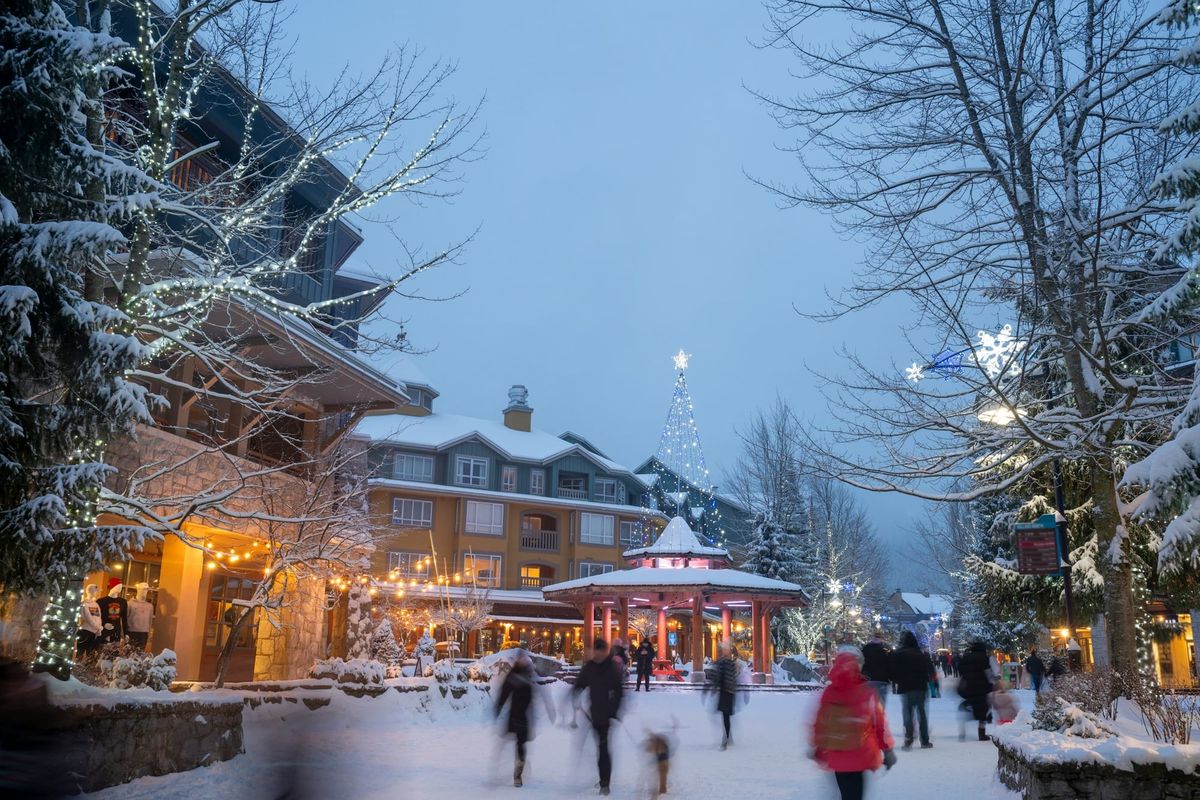
In Whistler, Canada, buying a hotel condominium means assessing a particular combination of holiday access and participation in an accommodation business. A purchase price can be compared easily with another listing. The value of the dates an owner may use, the income retained and the obligations attached to the unit take more work to establish.
A third-quarter market report published on 22 October by Unison—The Ryan Group Realty, on Matthew Callaghan’s website, recorded nine Phase II sales at an average of approximately C$595,000. That small sample provides context for an active ownership category; it cannot establish how much an individual apartment has appreciated or what restrictions alone do to its value.
The central distinction is the rental covenant registered against the property. Tourism Whistler’s published framework gives Phase II owners 28 days of personal use in winter and another 28 in summer, with commercial rental availability required outside owner use. Units participate in a single integrated rental pool selected by the strata owners. The building’s detailed rules determine how reservations work, so buyers need to examine the actual covenant and management arrangements.
For a family planning several winter trips, that seasonal split matters. The headline 56-day allowance should not be treated as eight freely selectable ski weeks. A buyer who wants frequent winter weekends needs to establish whether the permitted calendar fits those plans. Flexibility that cannot be exercised on useful dates has limited personal value, even if the apartment itself is attractive.
Phase I property offers a different starting point, generally allowing unlimited owner use. Rental-pool obligations can still apply when owners are absent, and requirements vary between properties. Comparing two apartments therefore requires more than matching their floor areas and distance from a lift: the rights being sold may differ substantially.
The income comparison needs equal care. Buyers should ask for actual owner statements and reconcile the rental allocation with management charges, strata costs, maintenance and any furniture-replacement provision. Tourism Whistler’s common and commercial assessments also apply to Phase II properties. The relevant figure is the amount left after the applicable costs, with financing and tax considered separately; advertised room rates cannot supply that answer.
There is a wider resort rationale behind the arrangement. Keeping accommodation available to visitors helps maintain the overnight capacity on which restaurants, shops and mountain businesses depend. For an owner, professionally managed accommodation can reduce the work of running a holiday rental, while leaving financial exposure to the operation’s performance and future spending needs.
Whistler’s hotel condos are consequently best assessed through two connected questions: does the permitted use suit the household, and does the operating record justify the financial commitment? A well-matched purchase can serve both purposes. The asking price becomes meaningful when those benefits and obligations are valued together.
Go deeper with Premium Analysis, or explore Uchi’s detailed Data Rooms and full research library with All Access.