Where Hokkaido Is Still Growing, And What It Means for Property
Only six Hokkaido municipalities grew in the latest population data, revealing two distinct sources of local demand: international resort employment and domestic family relocation.

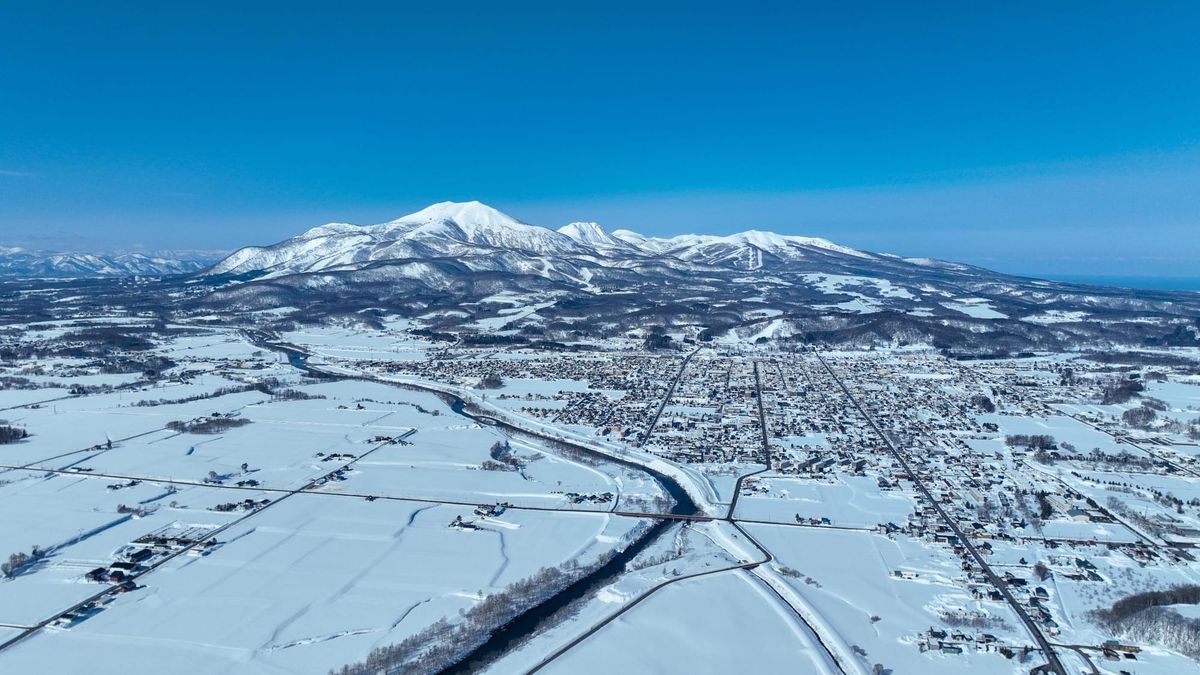
The headline is that Hokkaido’s registered population has fallen below five million for the first time, and it is significant. But for property investors, the more useful question is not simply how quickly the island is shrinking. It is why a small number of municipalities are still growing.
As of 1 January 2026, Hokkaido had 4,996,492 registered residents, down 48,333 from the previous year. Its Japanese population fell by 58,104, while foreign resident numbers rose by 9,771 to 75,392. Even with the fastest foreign population growth rate of any Japanese prefecture, that increase offset only around one-sixth of the decline in Japanese residents.
Population decline therefore remains the dominant island-wide trend. Yet six Hokkaido municipalities moved in the opposite direction: Kutchan, Niseko, Rusutsu, Nanporo, Higashikawa and Abira. Their growth points to two different models of regional demand, each with its own property implications.
Resort Employment Is Creating Resident Demand
Kutchan, Niseko and Rusutsu grew primarily because their foreign populations increased.
Kutchan added 277 residents overall, but the composition of that growth is revealing. Its Japanese population fell by 375 while its foreign population increased by 652, reaching 4,279. Foreign residents now represent almost 25% of the town’s population during the peak winter tourism season.
Niseko Town recorded a similar, if smaller, shift. Its total population rose by 107, while foreign residents increased by 144 and Japanese residents declined by 37. Rusutsu gained 44 residents overall, with its foreign population rising by 52 while its Japanese population fell by eight.
Foreign residents accounted for approximately 21% of Niseko Town’s population and 22% of Rusutsu’s as of 1 January 2026.. These are no longer small expatriate communities sitting around the edges of a domestic resort economy. International workers and their families have become a material part of the registered population.
For property investors, this is a different demand story from tourism. Visitors create demand for hotel rooms, holiday apartments and short-term rental villas. Residents need ordinary housing: long-term rentals, staff accommodation, family homes, transport, schools, healthcare and everyday retail.
That distinction matters because a town can have a strong luxury property market while still facing an acute shortage of functional housing for the people who operate it. Kutchan’s recent residential development plans, including apartment projects outside the main resort villages, reflect that pressure. The next layer of the Niseko property story may therefore be shaped as much by workforce housing as by additional visitor accommodation.
This employment-led growth also supports the wider resort economy. Restaurants, hotels, ski schools, construction companies and property managers cannot operate without staff. Housing availability is therefore not simply a social issue; it is part of the infrastructure required to protect service standards and support future investment.
Affordable Housing and Services Can Still Attract Families
The other three growing municipalities tell a different story because Nanporo, Higashikawa and Abira are not international ski resorts. Their population strategies have focused more on domestic relocation, affordable housing, education, family support and access.
Nanporo recorded the largest total increase, adding 248 residents. It was also the only municipality in Hokkaido where the Japanese population itself increased, rising by 225. The town has offered housing construction support of up to ¥2 million for younger families, while comparatively affordable land has become more attractive as prices in and around Sapporo have risen.
Abira has used education as part of its relocation strategy, including a new integrated primary and lower-secondary school and publicly supported supplementary education. Its proximity to New Chitose Airport also gives it a practical access advantage. The town’s success has already produced a familiar consequence: a shortage of suitable housing, prompting the local government to release public land on the condition that homes are built.
Higashikawa, close to Asahikawa and its airport, has cultivated relocation demand over a much longer period. More recently, the town has leased and renovated vacant homes before renting them to prospective new residents. This is a useful example of existing housing stock being treated as regional infrastructure rather than simply being allowed to deteriorate.
These towns show that regional population decline is not entirely predetermined. Relatively affordable land helps, but price alone is not enough. Families also need schools, employment, transport, childcare and confidence that the town has a long-term plan.
For property markets, the implication is straightforward. Housing demand is more likely to endure where affordability is connected to liveability. Cheap land without services can remain cheap, whereas affordable land within a credible community proposition has a better chance of attracting genuine resident demand.
Growth Remains Vulnerable
The latest figures should not be read as proof that foreign population growth will continue at the same pace.
Hokkaido’s foreign resident population still grew quickly, but the rate slowed by 4.7 percentage points. The number of municipalities recording an increase fell from 157 to 146, and the absolute annual increase was smaller than a year earlier.
Shimukappu illustrates the volatility. The village’s foreign population fell by 41 to 541, largely because a resort operator changed where employees were assigned. In small municipalities, the decisions of one large employer can materially alter the annual population data.
Exchange rates, visa requirements and employment mobility may also influence future patterns, not forgetting that the Japanese government's overall policy can have significant impacts too. A weak yen makes Japanese wages less attractive when measured in foreign currencies, while changes allowing some workers greater freedom to change employer could encourage movement towards larger cities.
This does not invalidate the resort-town growth story. It does mean investors should avoid treating every increase as permanent. Employment-led housing demand is strongest when it is supported by several employers, year-round work and a broad local economy rather than one company or one winter season.
The Property Signal
The six growing municipalities reveal a relatively simple principle: population follows a workable proposition.
In the Niseko area, that proposition is employment. International tourism and development are creating jobs that bring working-age residents into towns where the Japanese population is still declining.
In Nanporo, Abira and Higashikawa, the proposition is a combination of housing, education, services and access. These towns are giving households a practical reason to choose them over more expensive urban areas.
Neither model is guaranteed, and neither reverses Hokkaido’s wider demographic decline. But both matter for property because they identify where genuine resident demand may still be forming.
For resort investors in particular, the lesson is to look beyond visitor numbers. A successful destination also needs a functioning town behind it. The ability to house workers, retain families and support year-round services increasingly affects the quality and resilience of the resort itself.
Hokkaido is shrinking, but not uniformly. The places still growing are those where jobs, housing and everyday life align. That may be one of the clearest indicators of where the island’s next property needs—and opportunities—will emerge.
Sources
Ministry of Internal Affairs and Communications, Survey of Population, Population Movement and Households Based on the Basic Resident Register, 1 January 2026.
Hokkaido Government, municipal Basic Resident Register population data, published 29 July 2026.
Hokkaido Shimbun reporting on Hokkaido population trends, foreign residents and the six growing municipalities, 30 July 2026.
National population context based on the Ministry’s 2026 release.