Tokyo Hotels Are Extending the Guest Experience Back to the Airport
Tokyu Stay’s Tokyo luggage-delivery programme links airport arrival with the hotel product. Its value needs testing through actual use, workload and repeat bookings.

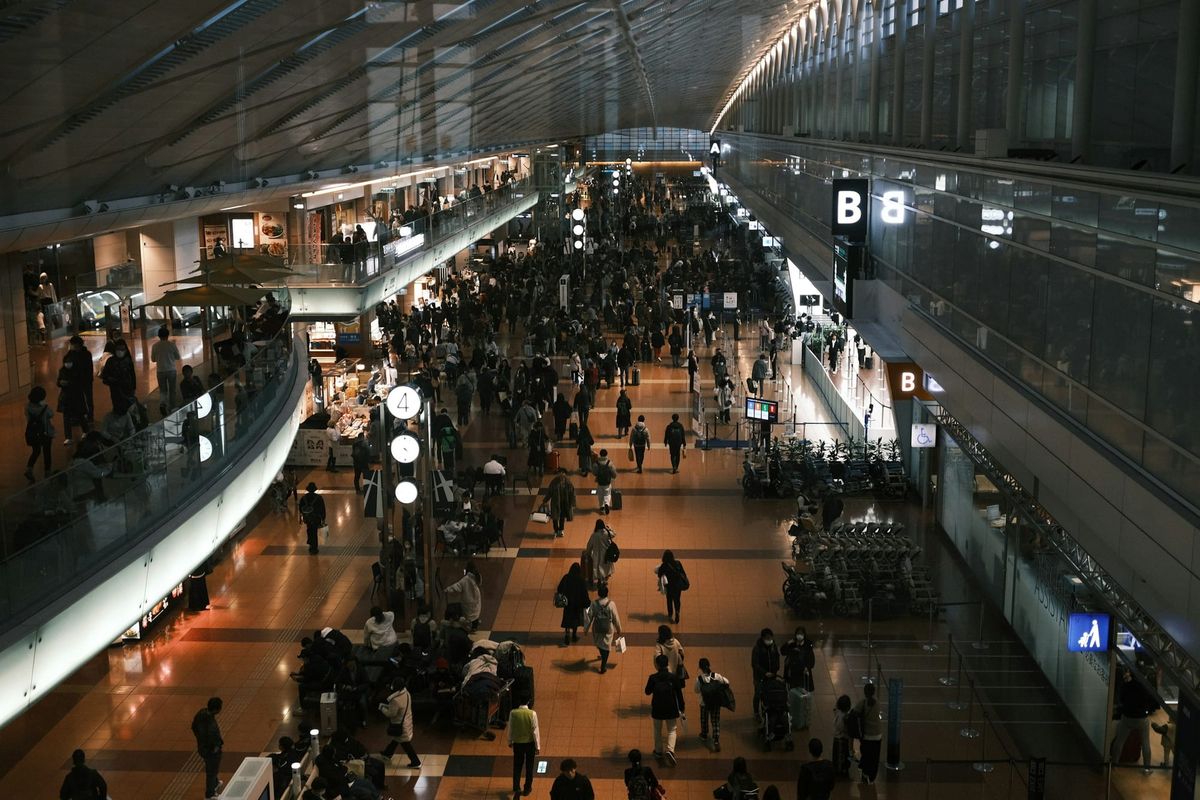
A hotel’s service can begin before the guest reaches its front door. AirTrunk’s expansion of same-day luggage delivery for Tokyu Stay guests in Tokyo illustrates how an arrival problem can become part of an accommodation proposition, with potential consequences for both the visitor’s day and the hotel’s workload.
Announced on 7 October for operation from 9 October to 25 December, the programme covers nineteen Tokyo Tokyu Stay properties, adding fourteen to the earlier five-hotel offer. Guests at participating hotels can use the service without an additional charge, regardless of their booking channel. The counter at Haneda Airport Garden accepts same-day deliveries until 18:00, with pre-registration and a hotel authentication code required.
The practical benefit is time between landing and check-in. A visitor who does not need to take luggage to the hotel first has more freedom to choose an initial destination. For an accommodation business, that may make a location easier to use even though its physical distance from the airport has not changed. The complete journey can influence convenience alongside proximity to a station.
There is also an operating question. Airport collection may reduce the number of separate requests to store bags before check-in, while consolidated delivery creates its own receiving task. A hotel considering a similar arrangement should compare staff time, storage space and the reliability of handover. A benefit supplied without a separate guest charge still needs an economic justification for the business providing it.
The company’s survey offers an encouraging but limited signal. It reports that 98.8% of 408 responses were positive when users were asked whether they would stay again at a hotel offering the service. That is stated intention among participating users, collected by the provider. It is not a measured repeat-booking rate or evidence that the service caused additional stays. The distinction matters when an operator decides what to pay for a guest benefit.
A stronger evaluation would follow actual use through to booking behaviour and operating cost. Relevant measures include the proportion of arriving guests who register, the number of delivery problems and the staff time involved. Repeat stays would need comparison with an appropriate baseline before attributing them to luggage delivery. A popular service can be worthwhile, but its commercial effect should be tested separately from satisfaction.
For resort accommodation, the broader lesson is to examine friction in the arrival experience before assuming another in-room amenity is the best investment. The Tokyo programme does not establish that the same model will work on a longer mountain transfer. It does show a clearly defined attempt to improve the journey as part of the hotel product, with a seasonal operating period against which its value can be assessed.