BOJ holds rates steady, but the message for property investors is still important
The Bank of Japan has left its policy rate unchanged at 0.75%, a reminder that while most foreign property investors in Japan still buy without local debt, interest rates remain an important barometer for inflation, growth and the wider direction of the economy.

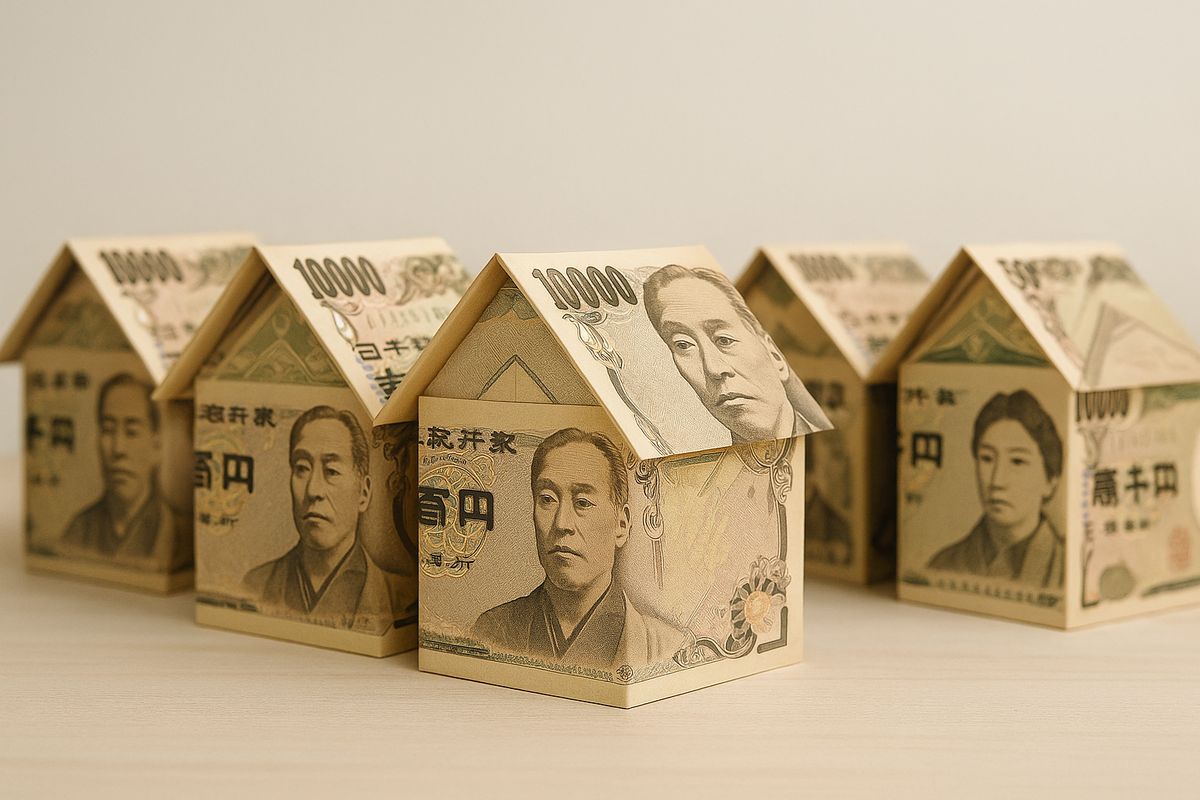
The Bank of Japan has kept its short-term policy rate unchanged at 0.75% at its latest meeting. For most overseas buyers of Japanese real estate, that does not change borrowing conditions directly, because many foreign investors still struggle to access local finance. But it does still matter. Interest rates in Japan are one of the clearest signals of how the central bank sees inflation, growth and risk in the wider economy.
This decision looks like a pause rather than a reversal. The BOJ’s official statement kept rates unchanged, but the split inside the board was notable: three of the nine policymakers wanted to raise the rate to 1.0%. At the same time, the Bank’s April outlook said growth in fiscal 2026 is likely to slow because higher crude oil prices linked to the Middle East situation are expected to hit company profits and household real income.
For property investors, the significance is mainly macroeconomic. If the BOJ keeps rates low for longer, that tends to support asset prices and keep Japan relatively accommodative compared with other major markets. But it also reflects a more uncomfortable backdrop: imported inflation, energy vulnerability and uncertainty over how much the economy can absorb tighter policy. In other words, holding rates steady is not especially bullish or bearish on its own—it is a sign that the Bank is still trying to balance inflation risk against a fragile growth outlook.
The practical takeaway is that this matters less because it changes mortgage availability for foreign buyers, and more because it helps frame the bigger investment picture. A steady BOJ rate supports the view that Japan remains a relatively low-rate environment, but it also highlights how closely the market is now tied to inflation, the yen and energy prices. For anyone investing in Japanese real estate, that makes the BOJ less a lending story than a useful yardstick for the direction of the economy.