Zermatt's 2040 Strategy Puts the Working Village at the Centre
Zermatt's new municipal strategy places housing, transport and essential infrastructure at the heart of its future, offering a useful perspective on mountain resort growth.

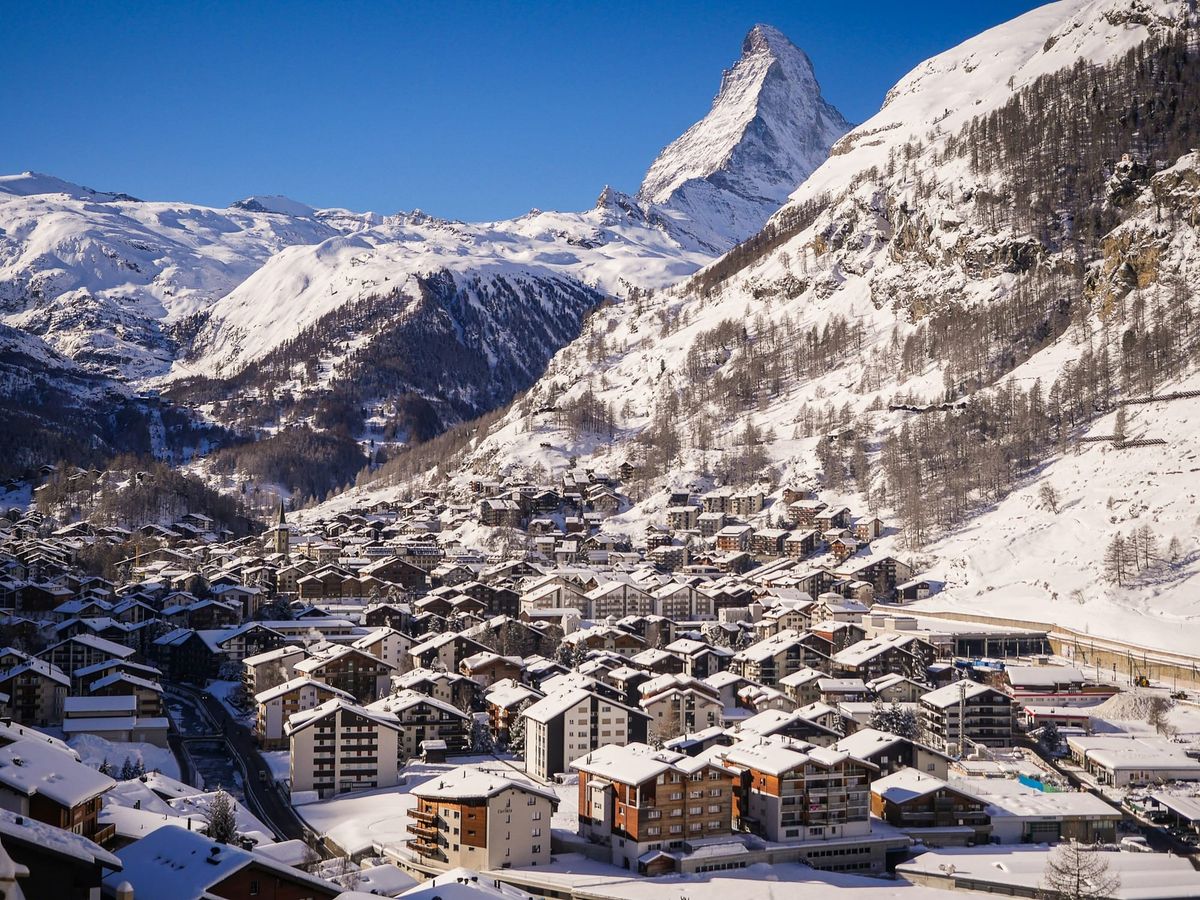
Zermatt's latest development agenda places housing, public infrastructure and the daily functioning of the village alongside its tourism economy. Published in September, the municipality's first comprehensive long-term strategy, Zermatt 2040, provides a useful view of what an established mountain destination considers necessary to remain successful beyond its international reputation.
The strategy explicitly recognises the need for sufficient residential and commercial space for residents, employees and businesses, while preserving the character of the village centre and surrounding hamlets. Its transport objectives retain Zermatt's car-free identity, with better management of logistics and movement within the village. These are strategic commitments, rather than an announcement of a specified number of new homes or a completed transport programme.
The accompanying municipal message identifies priorities for the 2026–2028 term, including water management, progress on local transport projects and the planning work needed to support the proposed Gornerli multipurpose reservoir. The stated purposes of that reservoir include flood protection, water supply and winter electricity production. Preparing the conditions for a project to proceed is a different stage from completing its approvals, funding and construction.
For a resort property audience, the significance lies in the connections between these issues. A hotel can invest in attractive rooms and still face operational difficulties if its employees cannot find somewhere to live. Additional accommodation can also increase deliveries, waste collection and transport requirements, making the capacity of the surrounding settlement part of the business case. Those relationships are relevant whether the destination is a Swiss village or a growing Japanese resort.
We hope you are enjoying this free article and please continue reading on below. Uchi Insights provides the latest market news from across Japan as well as global mountain resorts, most of it for free.
But we'd love a little love!
If you want the latest data and deep-dive reports, you can access premium Uchi Insights covering pricing, sales, supply and market trends across Japan's leading resort real estate destinations... and soon the world!
Twelve months of Premium access costs US$200—roughly the price of a good pair of gloves for that Japanese powder snow.
If you are buying, selling, investing or simply trying to understand where resort property markets are moving, make sure you have the same data and analysis at your fingertips.
Don’t be the one wondering what everyone else knows.
There is also a practical difference between protecting local character as a marketing message and considering it in planning decisions. Buildings, public spaces and access routes contribute to the experience visitors are paying for, while also serving the people who keep the destination operating. An individual development may offer high-quality accommodation, but its long-term appeal remains connected to how those shared assets are maintained.
The published strategy should therefore be read as an indication of municipal priorities, rather than as a forecast of property prices or an assurance that particular development opportunities will emerge. Owners and prospective operators will need to follow the subsequent planning documents, project decisions and implementation timetables to understand how the broad objectives affect specific sites.
Zermatt's approach offers a useful reminder for mountain markets pursuing growth: the operating village deserves as much attention as the visitor product. Investment in housing, water, transport and public services may be less visible than a new hotel or lift, yet the ability to organise these essentials can influence whether additional tourism activity is commercially workable and locally sustainable over the years ahead.
Sources
- Municipality of Zermatt: announcement of Zermatt 2040 — 10 September 2026
- Zermatt 2040: municipal strategy and 2026–2028 objectives — Version dated 9 September 2026
- Zermatt municipal council: message accompanying the strategy — September 2026