Who Owns the Mountain? Why Resort Land Rights Matter
Resort land, lift operations and accommodation can sit under very different arrangements. Comparing Whakapapa, Perisher, Tignes and US federal permits shows why the length of operating control, investment obligations and treatment of infrastructure matter.

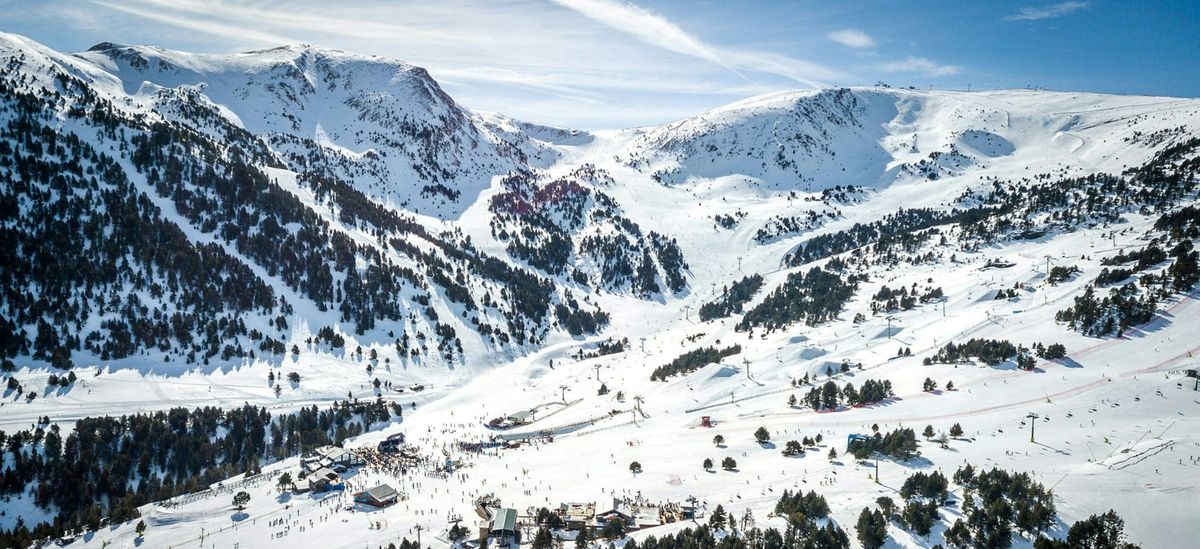
A mountain resort can look like a single asset from the village below, with its lifts, restaurants and accommodation forming one recognisable destination. Its commercial structure may be much more fragmented: the landowner, lift operator and owners of nearby buildings can be different parties, holding rights that begin and end at different times. Understanding those relationships helps explain why an investment announcement or change of operator may have quite different consequences for each.
Tignes supplied a practical example this year. On 1 June 2026, responsibility for operating its ski area passed from Compagnie des Alpes subsidiary STGM to the local public company ALTTA when the previous concession ended. A major destination continued under a different operating arrangement, illustrating why a familiar resort name should not be mistaken for a perpetual private right to run the mountain.
The useful comparison across markets is therefore how operating control, capital investment and property ownership fit together. Whakapapa, Perisher and the US federal permit system provide contrasting examples alongside Tignes. Examining them reveals which questions deserve attention before the headline size of a resort investment becomes meaningful: how long control lasts, what happens to infrastructure at expiry and which rights belong to neighbouring accommodation.