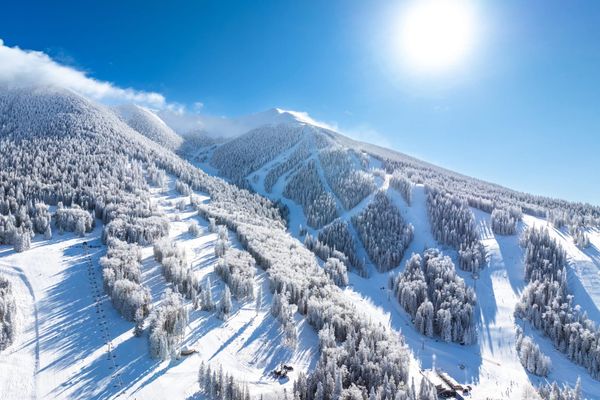
Could Vail Resorts Start Selling Mountains?
An activist challenge at Vail raises questions about the value of its mountains, the Epic network and who might own them. We examine the options, the operating trade-offs and what has yet to be decided.

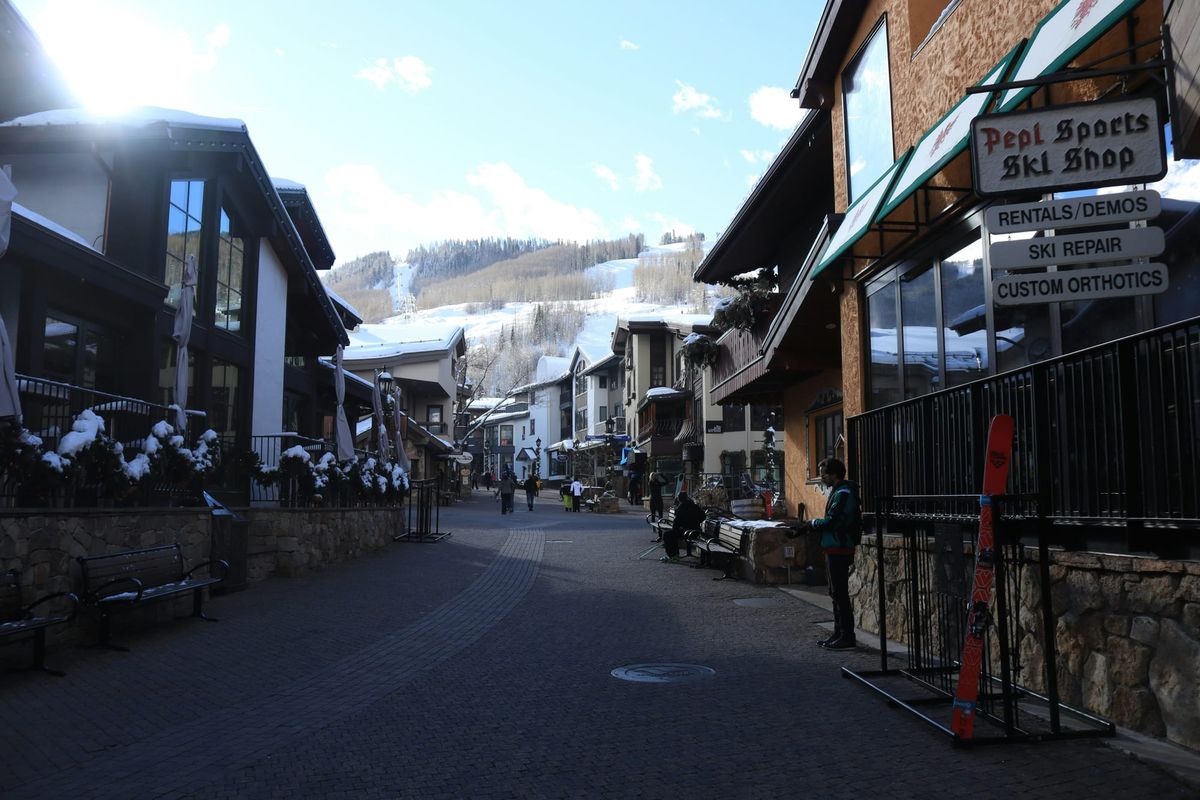
Oasis Management’s campaign at America's Vail Resorts has brought the future ownership of its mountain portfolio into the discussion. The investor’s Schedule 13D, filed on 16 September, leaves open proposals involving a sale of the company or some of its businesses and assets. No resort sale has been announced, but the filing gives the industry a reason to examine what a different ownership structure might mean.
Oasis is an investment manager with a Hong Kong base, managing private funds under the investment direction of Seth Fischer. Its influence here comes from combining a substantial shareholding with a board challenge. Four proposed directors would give the campaign a route to influence decisions, although nominations confer neither board seats nor control of the company.
The progression needs some care. Oasis’s 14 August Schedule 13G/A disclosed a 6.5% holding and certified that the investment was not held to influence control. The new filing says its ownership subsequently fell below 5%; it now reports approximately 6.2%. This is therefore a change in intent and disclosure, rather than a simple story of an uninterrupted increase in its stake.
Vail confirmed on 11 September that Oasis had submitted nominations on 9 and 10 September for former Disney chief executive Bob Chapek, investment executives M. Ashton Hudson and Bryce Roberts, and Olympic skiing champion Picabo Street. Vail said it would evaluate the candidates and publish its recommended slate in its proxy statement, while continuing an existing search for an independent director. Shareholders were not being asked to act at that stage.
The sale language appears in Item 4 of the 13D. Oasis reserves the ability to develop plans or proposals for “a potential strategic review or sale process” involving Vail or certain businesses or assets, and potentially participate in transactions itself. This preserves options; it does not disclose an agreed breakup plan, an offer or a company-led auction. Individual resorts could fall within that scope, but none is identified for disposal.
The immediate campaign also concerns operating performance. Oasis argues that Vail is undervalued and seeks better pricing, marketing, guest experience and use of hospitality assets. A sale is one possible route in a wider challenge to how the business is managed.
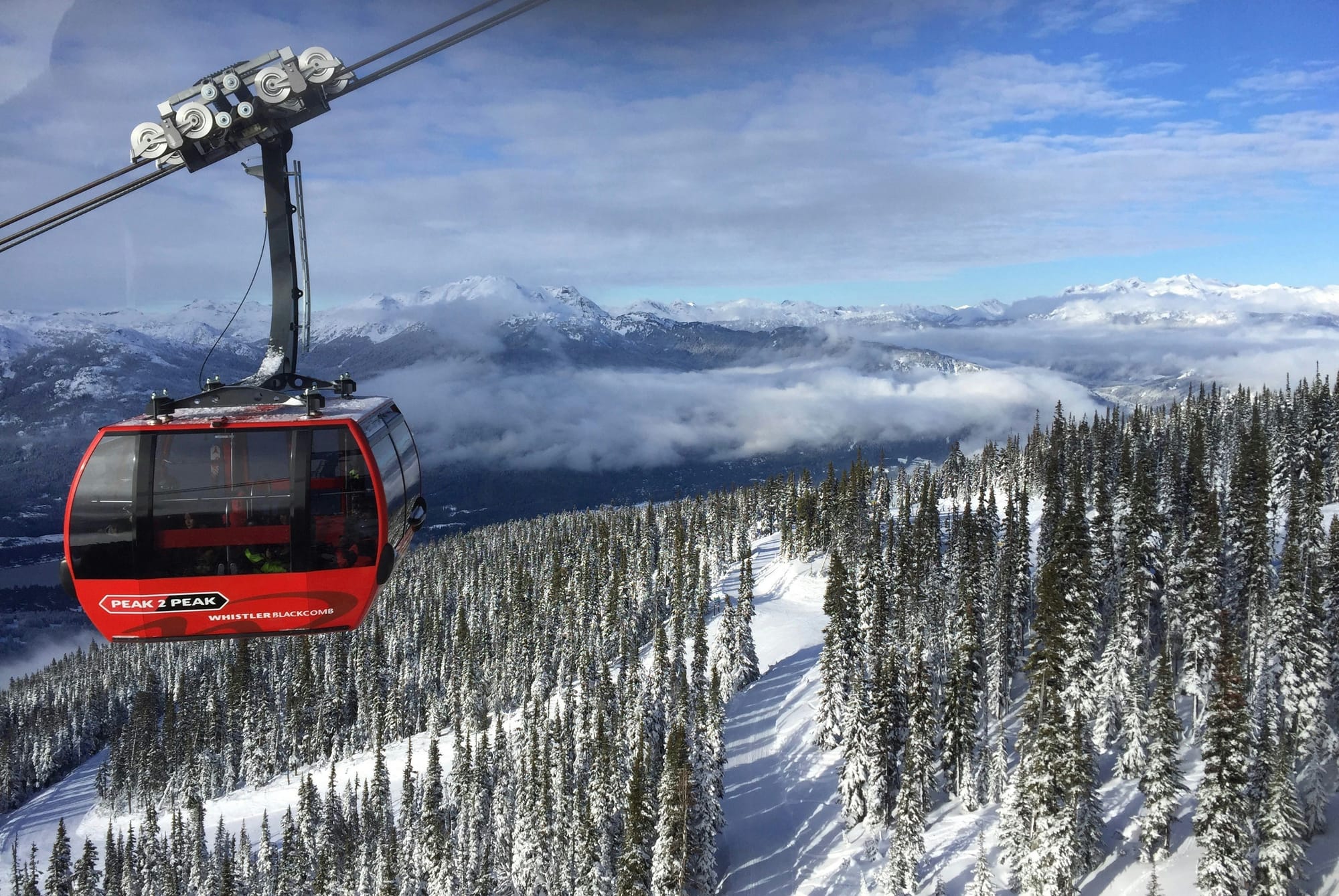
That challenge concerns a network of 42 mountain resorts across North America, Australia and Switzerland. Vail Mountain, Whistler Blackcomb and Park City sit alongside smaller regional ski areas, while the European portfolio includes Andermatt-Sedrun and Crans-Montana. The group also owns or manages hotels, holiday accommodation and related businesses. These are examples of the portfolio’s breadth, not a list of potential sale candidates.
An activist looking at such a collection might ask whether the stock market adequately values its individual operations, and whether some would attract a higher valuation under different ownership. That is a proposition to test against earnings, investment needs and transaction costs. The scarcity of a mountain destination does not establish the price a buyer would pay, nor does a resort’s surrounding property market belong entirely to its lift operator.
Capital allocation would be central to that assessment. Management must weigh replacement lifts, snowmaking and staff accommodation against shareholder distributions, borrowing costs and other investment opportunities. A disposal could release funds for the remaining resorts or reduce debt, but it would also remove earnings. Selling an attractive asset to fund short-term distributions could leave the residual business weaker if the lost cash flow and network benefits outweighed the proceeds.
Epic makes that calculation more complicated. Advance pass sales help secure revenue before the weather and travel season unfold, while regional mountains can introduce customers to a product they later use on a destination holiday. A resort’s contribution may therefore extend beyond the profit recorded locally. Separation would require careful thought about pass access, customer relationships and shared systems, as well as which costs genuinely disappear when an asset leaves the group.
There is nevertheless a commercial reason to scrutinise the model. Vail’s June quarterly filing reported that pass sales for winter 2026/27 through 26 May were down approximately 10% in units and 5% in dollars against the comparable prior-year period, on its stated adjusted basis. Those were early-season figures, not final sales. They raise questions about participation and pricing, while the company’s report of exceptionally weak Western US snowfall also cautions against attributing every disappointing result to corporate structure.
Vail has already set out its own response on service. Rob Katz’s July Epic Experience programme targeted food, lessons, equipment and guest engagement. Park City’s Larger Than Life campaign, announced on 1 September, then explicitly linked its local identity to a wider effort to emphasise the character of individual mountains. Both announcements preceded the 13D, so they should not be presented as concessions caused by this filing.
Local identity and shared distribution can coexist. For a visitor, the pass helps determine where a holiday is affordable; the village, accommodation and mountain experience help determine where it is desirable. Giving resort teams more effective marketing or clearer investment priorities could improve that proposition without changing ownership. Equally, operating across different labour markets, currencies and seasonal patterns creates complexity that an activist may want management to justify against the benefits of scale.
If assets eventually became available, the possible buyers would depend on what was included. A strategic resort operator might value geography and access to customers. Private equity could pursue operational improvements, while a family office might accept a longer investment horizon. Sovereign wealth or hospitality capital could consider a substantial destination investment, potentially alongside an experienced mountain operator. These are possible buyer categories, not evidence of interest from any particular investor.
Any transaction would need scrutiny of land ownership, leases or permits, local obligations and future capital expenditure. Vail’s financing disclosures also identify restrictions that may limit asset sales. A lift business, a hotel and development land have different cash flows and operating requirements; bundling them together does not remove those differences. Nor would transferring a resort automatically transfer privately owned chalets or apartments around it.
For the wider industry, partial disposals could create opportunities for new operators or strengthen existing competitors. A sale of Vail as a whole could instead preserve the network under different ownership, while an internal restructuring might change investment decisions without any sale. Pass partnerships would be a separate negotiation: new ownership would not by itself establish which pass a mountain would accept. The practical consequences would emerge through the terms of a transaction and the operating plans that followed.
For mountain-property owners and accommodation businesses, those plans matter more than speculation about a buyer’s identity. Reliable access, staffing and sustained reinvestment can affect the appeal of a destination and the experience of staying there. The same questions apply in Japan, where international distribution and local resort character increasingly meet. A change of owner would not, on its own, demonstrate higher bookings or property values.
The next scheduled opportunity to assess management’s position is 28 September, when Vail will release its FY2026 results after the US market closes. Its call at 5pm Eastern Time falls at 6am on 29 September in Japan. Updated pass sales and capital-allocation plans will be worth examining alongside any response to Oasis or discussion of portfolio strategy. Until then, the confirmed development is an activist campaign with broad options; evidence of an actual sale process would be a separate, consequential announcement.
We hope you enjoyed this free article. Uchi Insights provides the latest market news from across Japan as well as global mountain resorts, most of it for free.
But we'd love a little love!
If you want the latest data and deep-dive reports, you can access premium Uchi Insights covering pricing, sales, supply and market trends across Japan’s leading resort real estate destinations.
Twelve months of Premium access costs US$200—roughly the price of a good pair of gloves for that Japanese powder snow.
If you are buying, selling, investing or simply trying to understand where Japan’s resort property markets are moving, make sure you have the same data and analysis at your fingertips.
Don’t be the one wondering what everyone else knows.
Sources
- Oasis Management — Schedule 13D, filed 16 September 2026; Items 2, 4, 5 and 6
- Oasis Management — Schedule 13G/A, 14 August 2026 (filing text reproduced by StockTitan)
- Vail Resorts — Board nomination update, 11 September 2026
- Vail Resorts — Form 10-Q, filed 8 June 2026; pass-sales comparison and financing restrictions
- Vail Resorts — Epic Experience growth plan, 14 July 2026
- Park City Mountain — Larger Than Life announcement, 1 September 2026
- Vail Resorts — FY2026 results-date announcement, 4 September 2026