Utah’s Public Ski Area Proposal Puts the Cost of Access Under Scrutiny
A Utah coalition wants an independent study of a resident-first public ski area. Its hypothetical prices raise important questions about funding and long-term access.

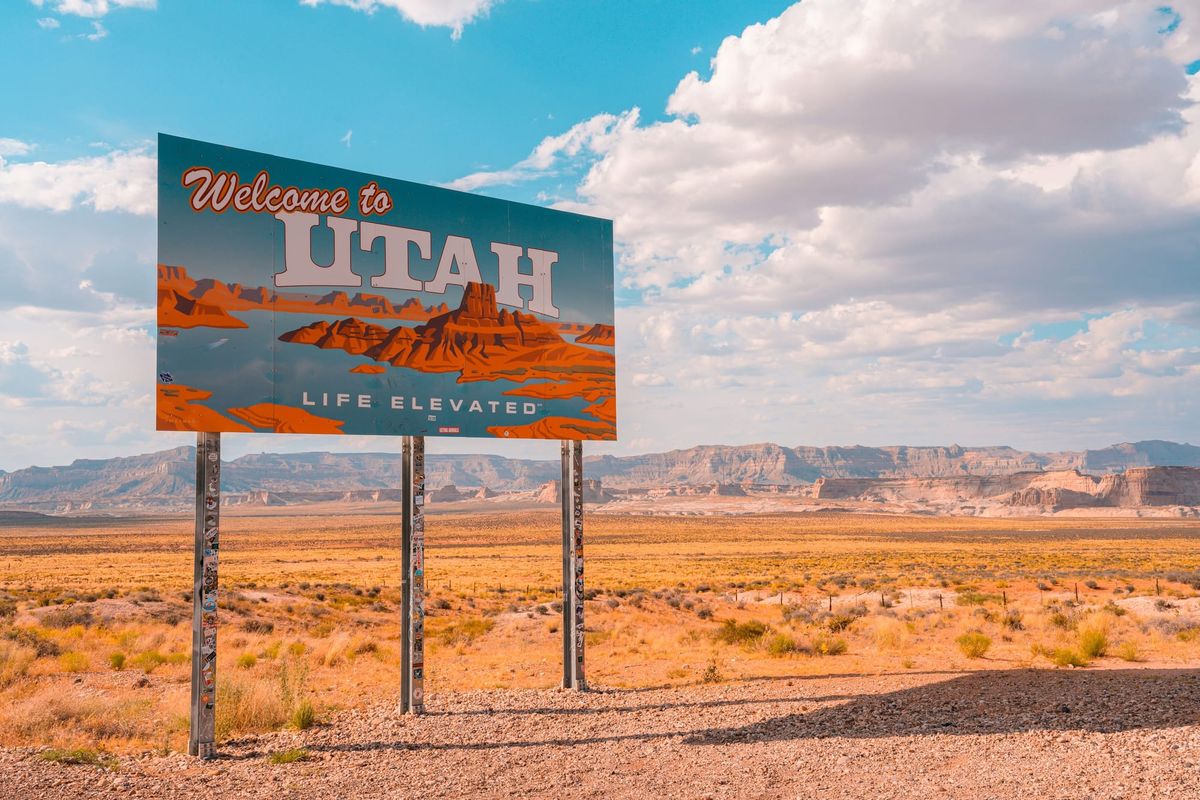
A campaign for a publicly owned ski area in Utah, USA, is bringing a different question into the mountain development debate: what would it cost to build a destination primarily for local participation? The Utah Public Ski Area Coalition is seeking funding for an independent feasibility study, rather than announcing an approved resort or the start of construction.
The proposal, covered by SnowBrains on 22 September, is led by Utah resident Clint Richins. The coalition describes a modest community mountain with fixed-grip lifts and basic food facilities. Its immediate objective is to establish whether the idea is viable. The northern Wasatch is used for illustrative planning, but no final site has been selected and construction funding has not been secured.
The coalition’s financial outline estimates US$83.9 million for an initial phase and US$104.19 million for a full build. Both are planning figures, not the conclusions of an independent feasibility assessment. Suggested adult day prices of US$59 for residents and US$139 for non-residents are similarly hypothetical. They describe the intended balance between local access and visitor income, not tickets that can currently be bought.
Those distinctions are essential because an attractive public price says little about the cost of delivering it. A credible assessment would need to test demand against the continuing expense of operating lifts and maintaining the mountain. It would also need to examine access and environmental constraints at an actual site. A simple facility can avoid some resort amenities without escaping the obligations of a mountain operation.
Public ownership introduces a further question: which benefits justify public expenditure? More opportunities for children to learn could be a legitimate objective even if the project did not maximise commercial returns. That case still requires transparent costs and an explanation of who carries the risk when revenue disappoints. Reserving money for future equipment replacement would be as important as presenting an affordable opening-day offer.
For established resort businesses, a community ski area could potentially introduce customers who later visit other mountains. It might also compete for local visits. Neither outcome can be assumed before the study examines likely users and their alternatives. Counting every projected visit as new participation would overstate the proposal’s effect on the wider market.
Japan’s mountain communities can follow the debate without treating Utah’s financial model as transferable. The shared issue is how to maintain access while paying for reliable operations over many seasons. For Uchi Snow readers, the proposal is worth watching as an alternative development brief, with affordability made explicit at the outset. Its next meaningful milestone would be a funded, independent study capable of challenging the campaign’s assumptions, rather than another set of attractive headline prices.
We hope you enjoyed this free article. Uchi Insights provides the latest market news from across Japan as well as global mountain resorts, most of it for free.
But we'd love a little love!
If you want the latest data and deep-dive reports, you can access premium Uchi Insights covering pricing, sales, supply and market trends across Japan’s leading resort real estate destinations.
Twelve months of Premium access costs US$200—roughly the price of a good pair of gloves for that Japanese powder snow.
If you are buying, selling, investing or simply trying to understand where Japan’s resort property markets are moving, make sure you have the same data and analysis at your fingertips.
Don’t be the one wondering what everyone else knows.
Sources
- Utah Public Ski Area Coalition: Proposal, Hypothetical Pricing and Study Request; Checked 23 September 2026
- Coalition Financial Plan: Planning Estimates, Not Feasibility Results; Checked 23 September 2026
- SnowBrains: Grassroots Public Ski Area Campaign, 22 September 2026