Tokyo Office Availability Tightens as Asking Rents Rise
Central Tokyo office vacancy fell to 1.85% in September. Rising asking rents strengthen the case for a closer look at lease terms, location and renewal timing.

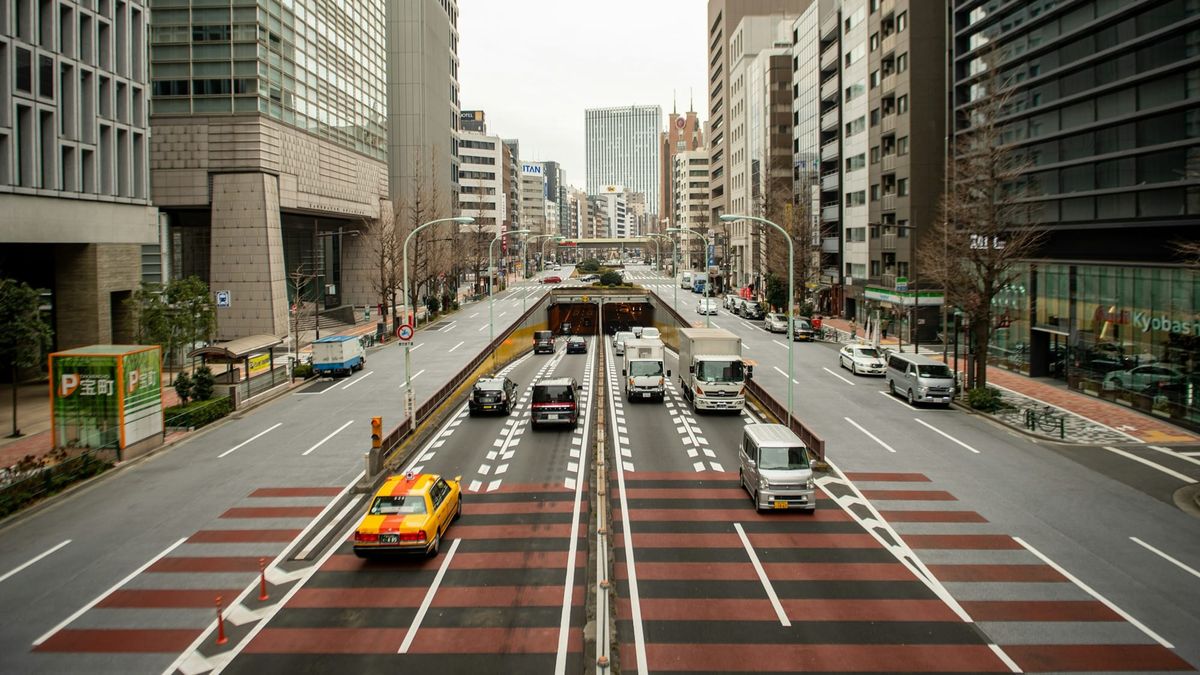
Tokyo’s central office market offered tenants less available space in September while landlords raised advertised rents. Miki Shoji’s figures, released on 8 October, put vacancy across its five-ward business district at 1.85%, down from 1.87% in August. The small monthly change accompanies a much larger movement in the rent series, making the detail relevant to both occupiers planning moves and owners assessing future income.
The reported average rent reached ¥23,985 per tsubo, up 1.43% over the month and 13.72% from September 2025. These are principally new asking terms for standard floors, excluding consumption tax and generally common-area charges. They are not a record of the effective rent on every signed lease. Rent-free periods, fit-out contributions and the timing of existing contracts can leave an owner’s actual receipts some distance from the advertised market level.
The survey covers major rental office buildings with standard floors of at least 100 tsubo in Chiyoda, Chuo, Minato, Shinjuku and Shibuya. It should not be extended to all Tokyo commercial property, small local offices or residential rents. The market is also uneven within those boundaries: September vacancy was 1.15% in Chiyoda and 2.72% in Chuo, while Shibuya’s rate rose during the month even as the overall average declined.
Understand the market around the mountain.
Follow our coverage of Japan and global mountain destinations, then explore Uchi Insights Premium for detailed property data and market reports on Japan’s resort markets.
Your free article continues below.
New buildings and established stock show different conditions. The vacancy rate for buildings completed within the survey’s past-twelve-month window fell to 8.14%, compared with 1.70% for older buildings. Miki Shoji attributes the overall tightening to transactions including expansion within existing premises and leasing in recently completed buildings. A higher vacancy rate in the new-building group can reflect the process of filling fresh capacity; it is not, by itself, a verdict on the quality of those assets.
For a landlord, the relevant next step is to map lease expiries against this evidence. A building with long contracts may have limited immediate exposure to higher asking rents. One facing several near-term renewals has a different opportunity, accompanied by the risk and cost of vacancy if negotiations fail. Capital spending needed to retain or attract tenants also belongs in the income calculation.
For an occupier, earlier planning may create more choices about size, location and fit-out timing. The September figures do not establish that every tenant must accept the headline increase, but they provide a reason to examine alternatives before a lease deadline becomes urgent. Tokyo’s office data shows a tightening, geographically defined market. Converting that signal into a property decision requires the terms of the actual building and the contract being negotiated.